Step-by-step guides and SOPs for cannabis and hemp extraction methods including BHO, ethanol, CO2, and solventless techniques.
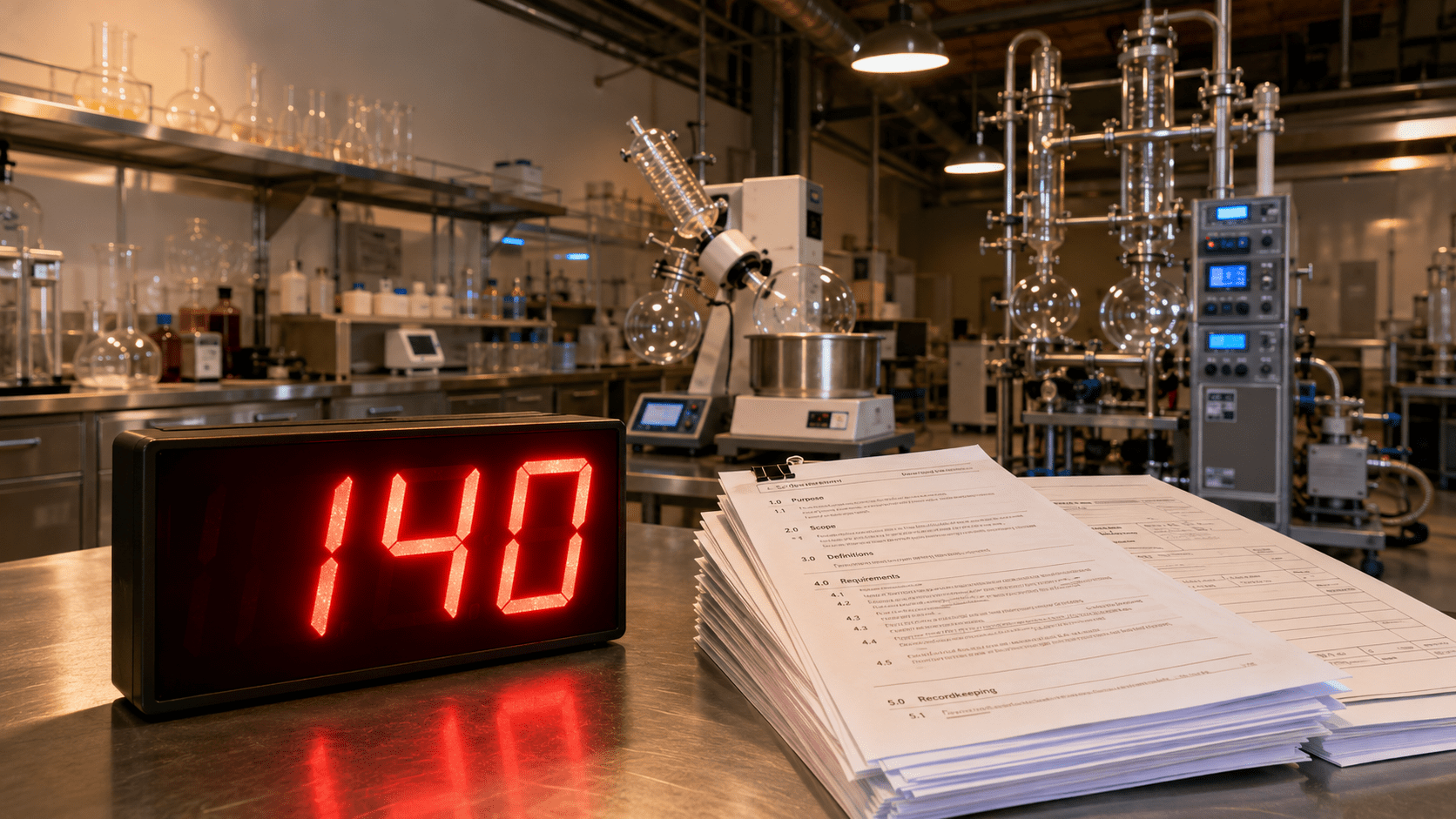
2026 Intoxicating Hemp Ban: What Extraction and Conversion Operators Must Do Before December 11

Section 781 of Public Law 119-37 takes effect on December 11, 2026 for plant-derived hemp products (moved from November 12 by H.R. 6500) and on November 12, 2026 for cannabinoids the plant cannot naturally produce. Hemp becomes Cannabis sativa L. at 0.3 percent total THC by dry weight, where total THC is delta-9 THC plus [...]
By |2026-10-20T16:20:31+00:00June 25th, 2026|Cannabis Chemistry, Extraction Techniques, Industry & Regulation|Comments Off on 2026 Intoxicating Hemp Ban: What Extraction and Conversion Operators Must Do Before December 11

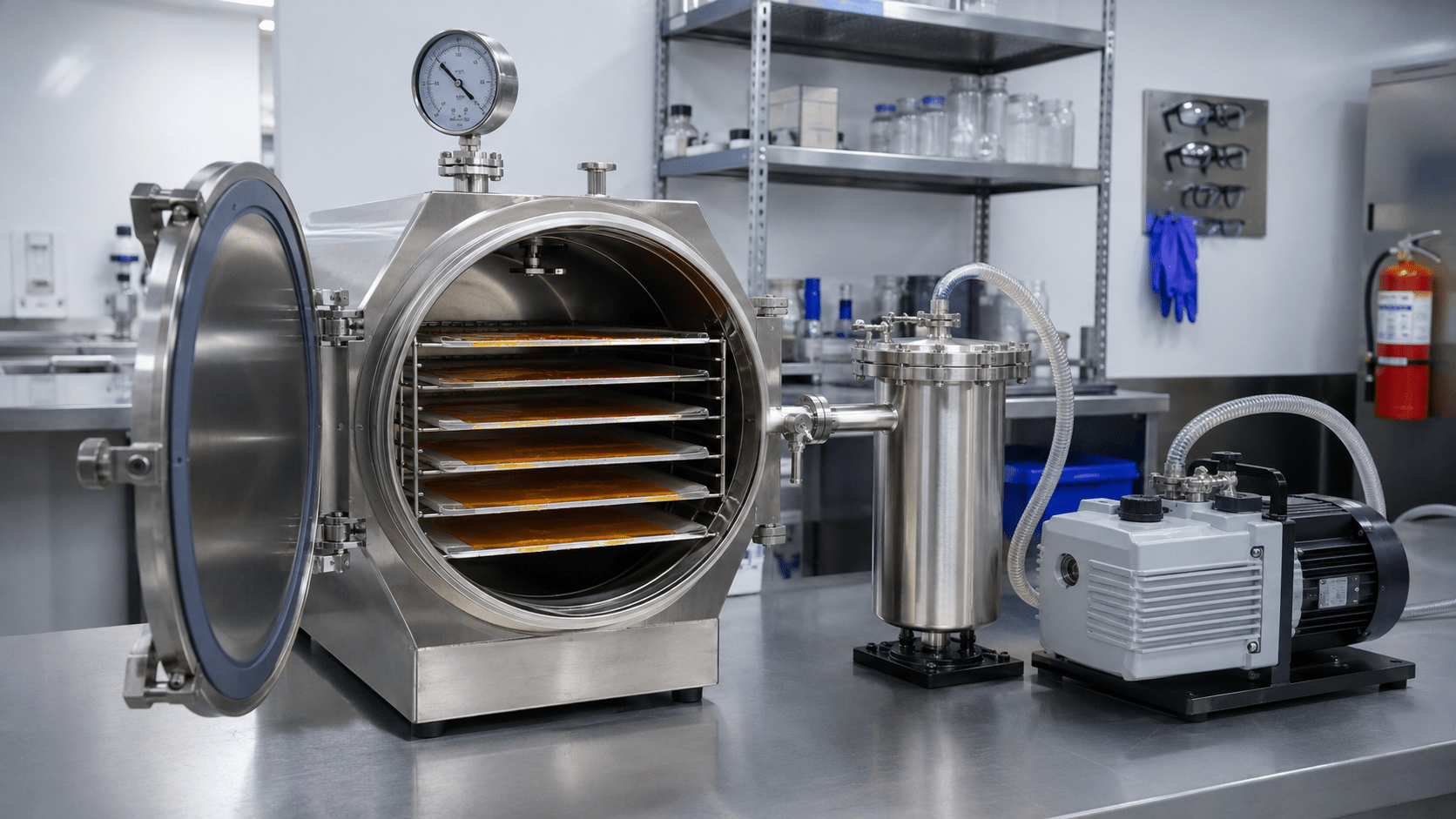
How to Purge Residual Solvents from Cannabis Concentrates: Solvent-Specific SOPs

How to Purge Residual Solvents from Cannabis Concentrates: Solvent-Specific SOPs, State Limits, and Diagnostic Protocol Residual solvent purging for cannabis concentrates requires solvent-specific parameters: butane purges at 29-38C (85-100F) under 29+ inHg vacuum for 24-72 hours to reach sub-500 ppm. Ethanol purges at 40-50C (104-122F) under 28+ inHg for 8-24 hours. Propane purges faster than [...]

By |2026-10-02T16:34:36+00:00June 9th, 2026|Cannabis Safety, Extraction Techniques, Post-Processing|Comments Off on How to Purge Residual Solvents from Cannabis Concentrates: Solvent-Specific SOPs

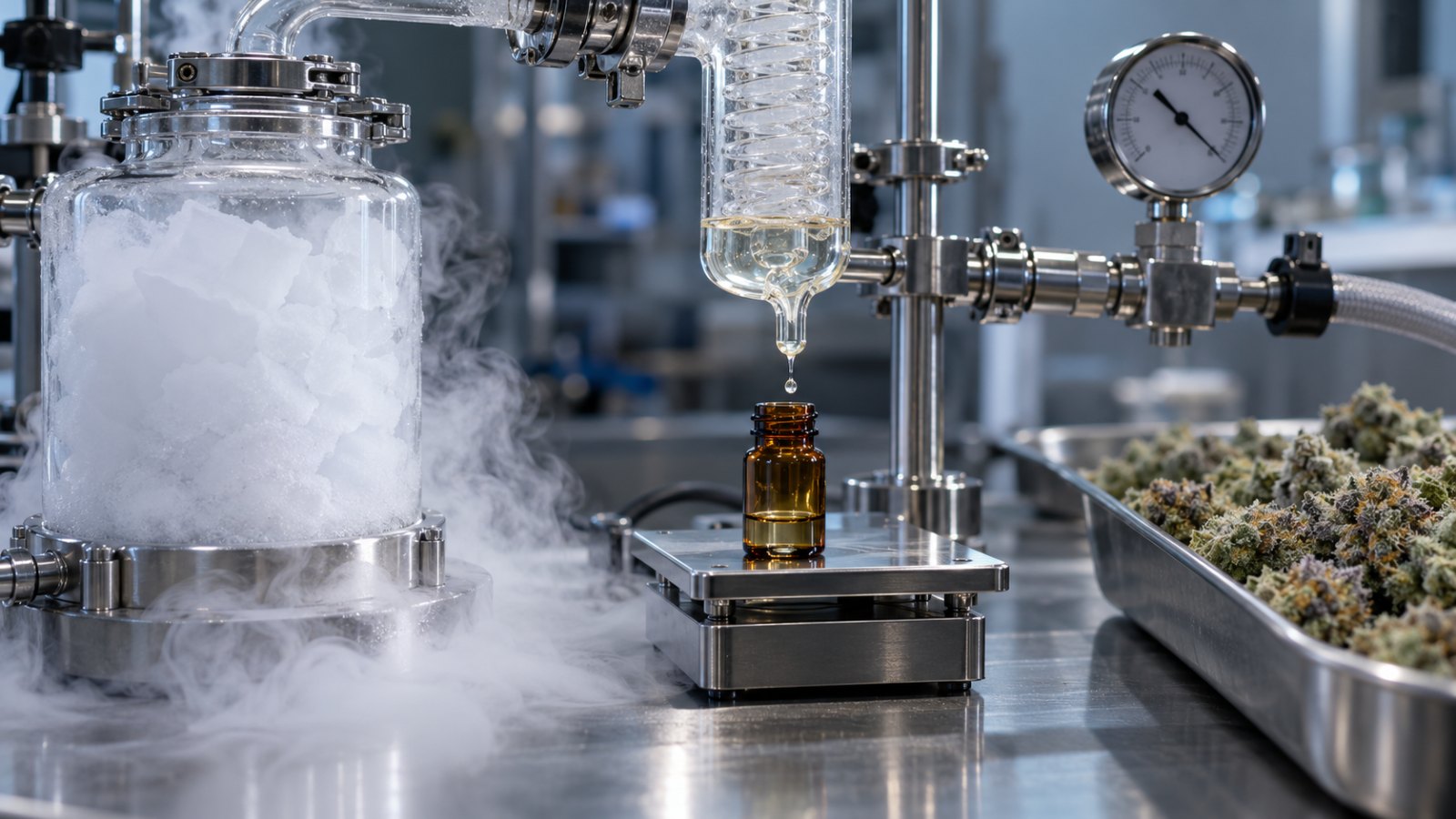
Closed-Loop Extraction Systems for Cannabis: How They Work, What Matters, and What Fails

What is a closed-loop extraction system, and why does it matter? A closed-loop extraction system recovers and reuses its solvent in a sealed circuit instead of venting it. In cannabis processing it moves butane, propane, or a blend (commonly around 70:30 butane to propane for live resin) through chilled biomass, dissolving cannabinoids and terpenes, then [...]

By |2026-10-01T16:17:24+00:00May 31st, 2026|Cannabis Safety, Extraction Techniques, Lab Techniques|Comments Off on Closed-Loop Extraction Systems for Cannabis: How They Work, What Matters, and What Fails

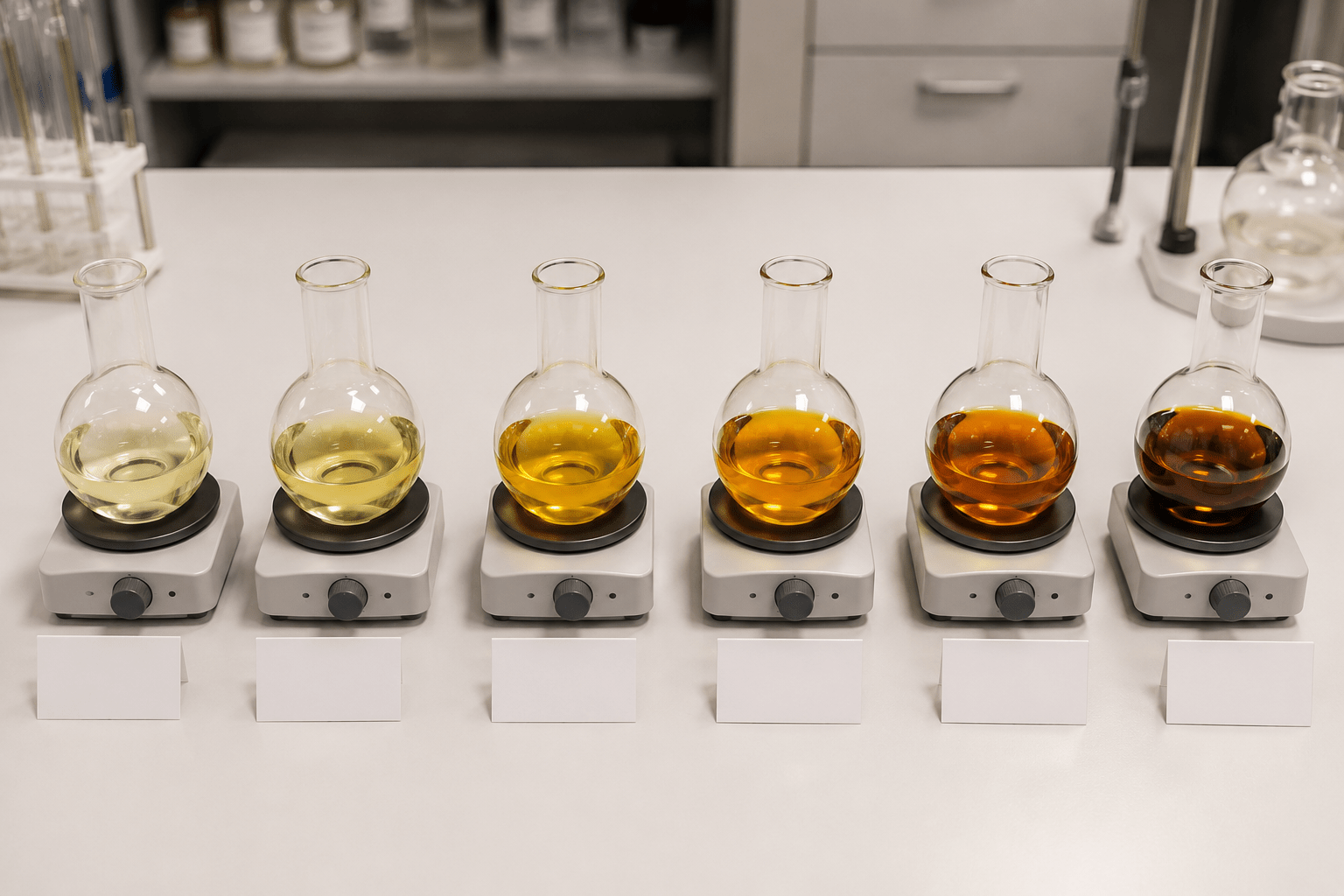
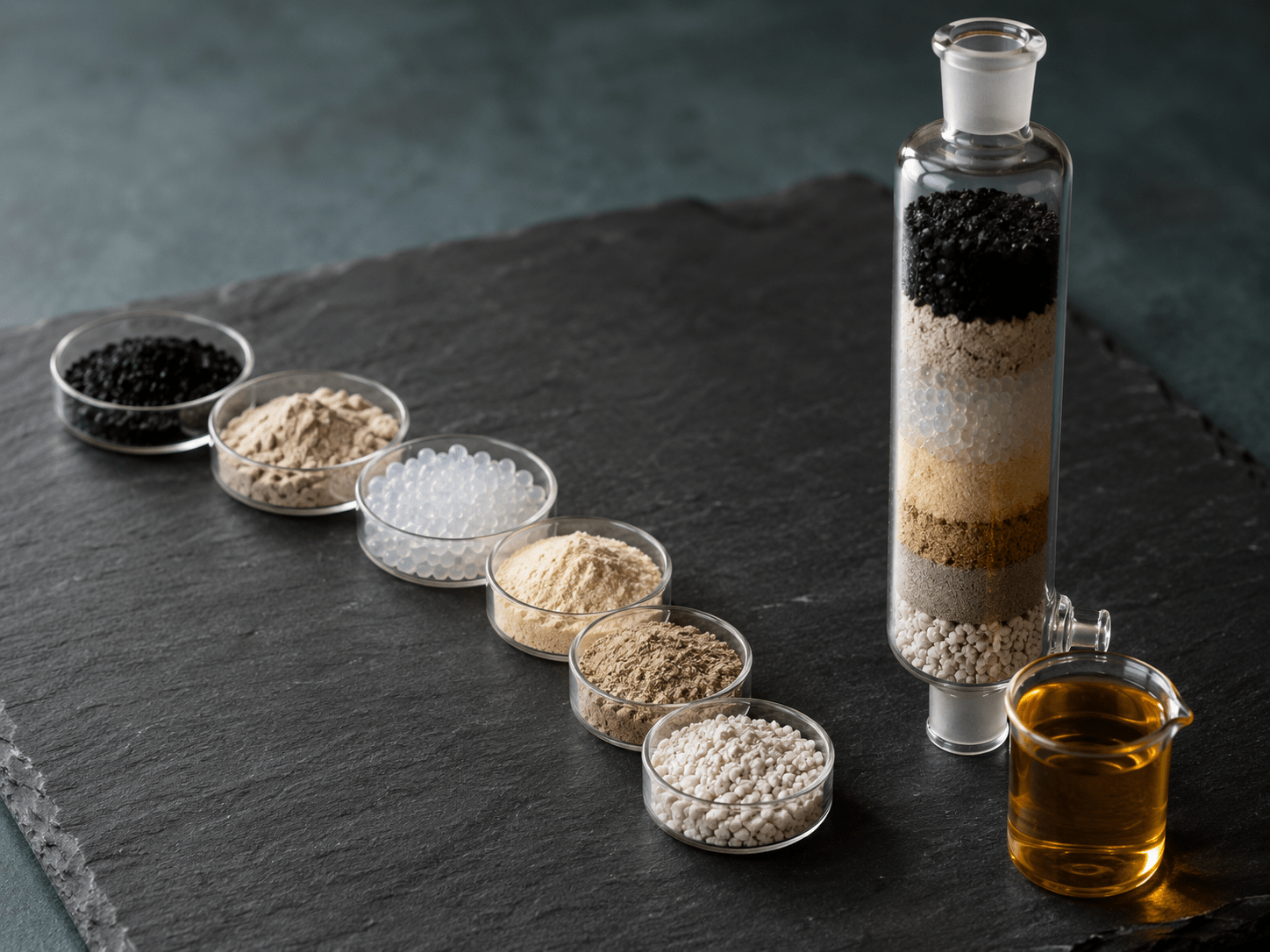
Cannabis Filtration Media Chemistry: Independent Comparison of Every CRC Adsorbent

Cannabis filtration media splits into two functional classes: depth filtration (celite, perlite, filter paper) that removes particulates by size exclusion at 1-25 micron pore ratings, and adsorptive chromatography media (activated carbon, bentonite clay, silica gel, alumina, magnesium silicate) that removes contaminants by chemical interaction. Activated carbon adsorbs 85-95% of color bodies but strips 8-15% of [...]

By |2026-07-01T20:44:05+00:00May 19th, 2026|Cannabis Chemistry, Extraction Techniques|Comments Off on Cannabis Filtration Media Chemistry: Independent Comparison of Every CRC Adsorbent

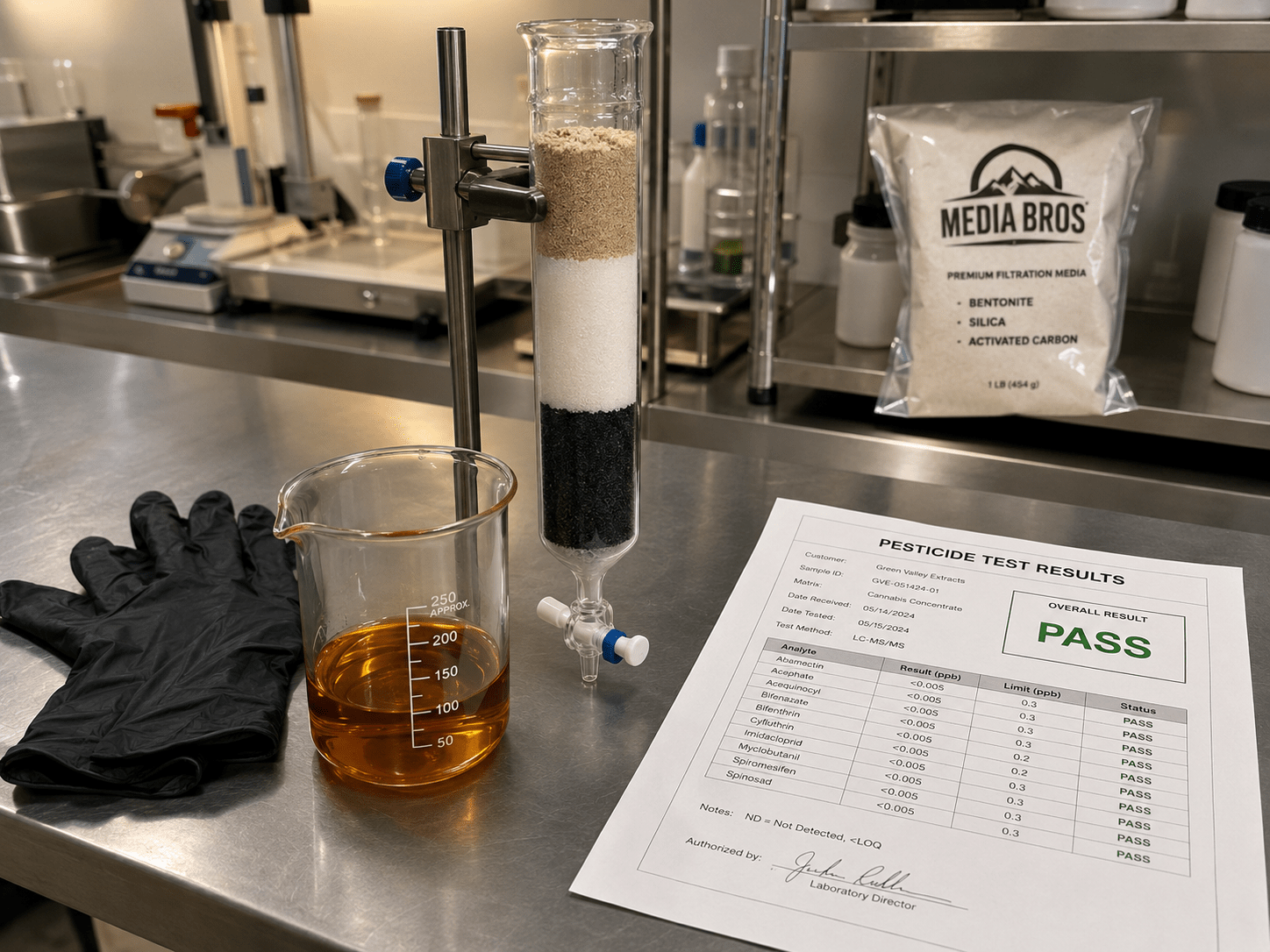
Cannabis Pesticide Remediation: Which Media Removes What and Why

Cannabis pesticide remediation removes chemical residues from contaminated extracts using targeted adsorption: activated carbon grabs nonpolar organics like myclobutanil (log P 2.89) and bifenazate (log P 3.40) through van der Waals attraction in micropores sized 8-20 angstroms. Bentonite clay captures polar and cationic pesticides like daminozide (log P -0.29) through ion exchange at interlayer sites. [...]

By |2026-10-12T16:19:09+00:00May 16th, 2026|Extraction Techniques|Comments Off on Cannabis Pesticide Remediation: Which Media Removes What and Why

Acid Catalyst Comparison for CBD Isomerization: BF3, pTSA, CSA, H2SO4 and More

The Short Answer The catalyst you choose determines which cannabinoid you make, how fast you make it, and how much cleanup you need afterward. BF3 etherate pushes CBD toward delta-9-THC with 70-85% conversion in 1-3 hours at 60-80C (in toluene; never in DCM which boils at 40C). pTSA and CSA favor delta-8-THC through a longer [...]

By |2026-10-05T19:27:36+00:00May 14th, 2026|Cannabis Chemistry, Extraction Techniques|Comments Off on Acid Catalyst Comparison for CBD Isomerization: BF3, pTSA, CSA, H2SO4 and More

Cannabis Crude Oil Degumming: The Complete Guide to Removing Phospholipids Before Distillation

What is degumming in cannabis processing? Degumming is the step that removes phospholipids and related polar lipids from crude cannabis oil before distillation. If winterized crude still darkens hard in the still, leaves stubborn residue on hot surfaces, or produces a distillate that tastes flatter than it should, degumming is usually the missing step. Most [...]

By |2026-05-20T10:01:29+00:00May 3rd, 2026|Extraction Techniques, Lab Techniques, Post-Processing|Comments Off on Cannabis Crude Oil Degumming: The Complete Guide to Removing Phospholipids Before Distillation

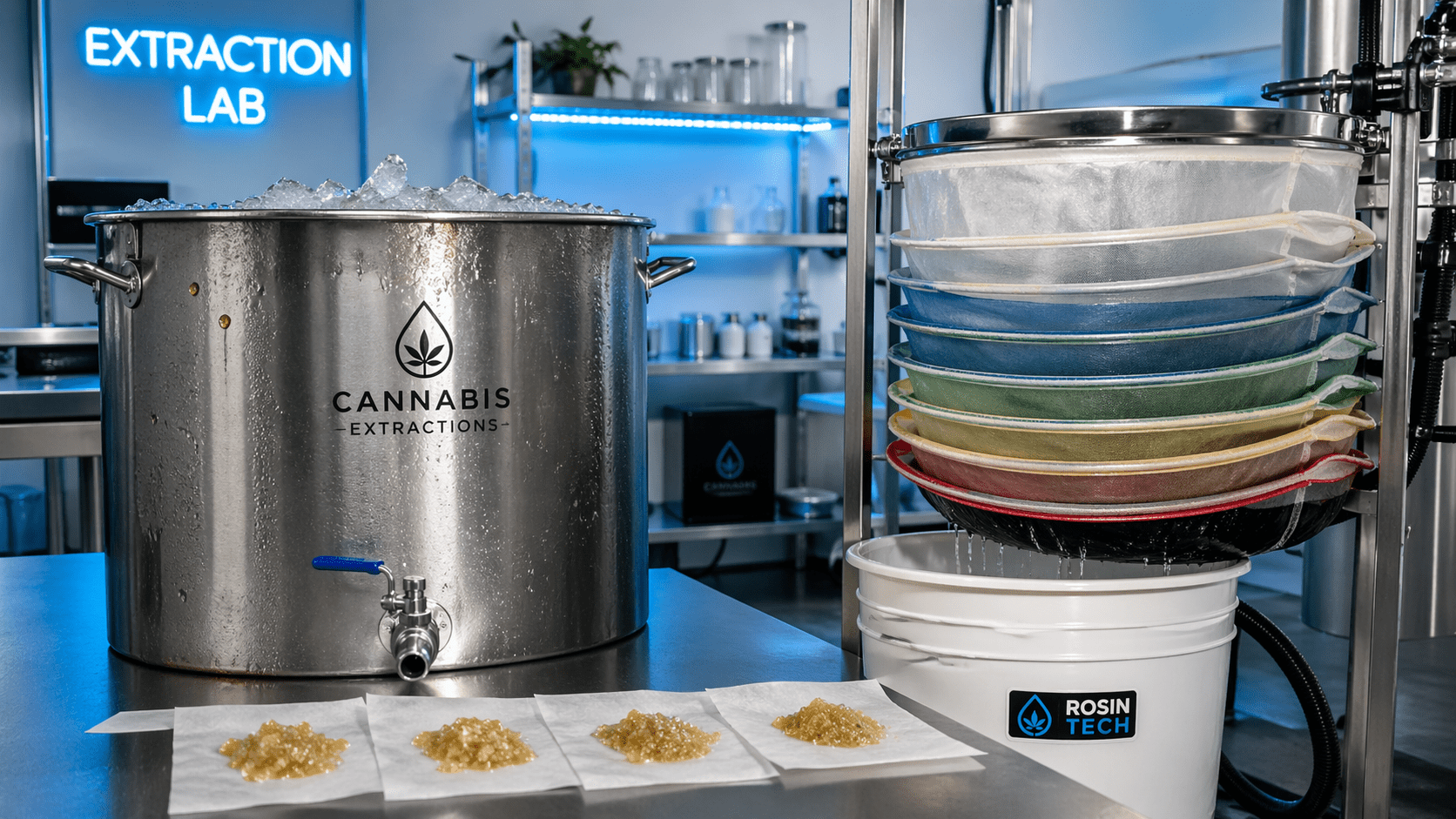
How to Make Bubble Hash: Ice Water Extraction From Start to Finish

Bubble hash in numbers: wash water at 33 to 40F, never above 45F; ice to water at 1:1 by volume, 1.5:1 in a room over 72F; a 15 to 20 minute cold soak before the first 90-second wash; a 220-micron work bag over a 160 / 120 / 90 / 73 / 45 / 25 [...]

By |2026-10-19T16:06:13+00:00April 22nd, 2026|Extraction Techniques, Lab Techniques|Comments Off on How to Make Bubble Hash: Ice Water Extraction From Start to Finish

Short Path Distillation Cannabis: Complete Setup and SOP Guide

What Is Short Path Distillation? Short path distillation is vacuum fractional distillation of decarboxylated cannabis crude in a 2 L to 12 L boiling flask with 5 to 15 centimeters between the evaporating surface and the condenser, run at 50 to 150 microns so the cannabinoid main body comes over at a 130 to 160 [...]

By |2026-10-15T19:49:32+00:00April 20th, 2026|Post-Processing, Extraction Techniques, Lab Techniques|Comments Off on Short Path Distillation Cannabis: Complete Setup and SOP Guide

Terpene Extraction from Cannabis: Every Method Ranked by What You Actually Keep

Why Most Terpene Extraction Fails Before the First Fraction Terpenes are the most temperature-sensitive compounds in the cannabis plant. Every extraction method either preserves them or destroys them, and the difference comes down to a handful of variables that most operators get wrong. Boiling points, exposure time, solvent polarity, and post-extraction handling determine whether you [...]

By |2026-10-05T21:36:24+00:00April 18th, 2026|Cannabis Chemistry, Extraction Techniques|Comments Off on Terpene Extraction from Cannabis: Every Method Ranked by What You Actually Keep
Go to Top