Cannabis industry news, regulatory updates, licensing requirements, and business insights for extraction companies.
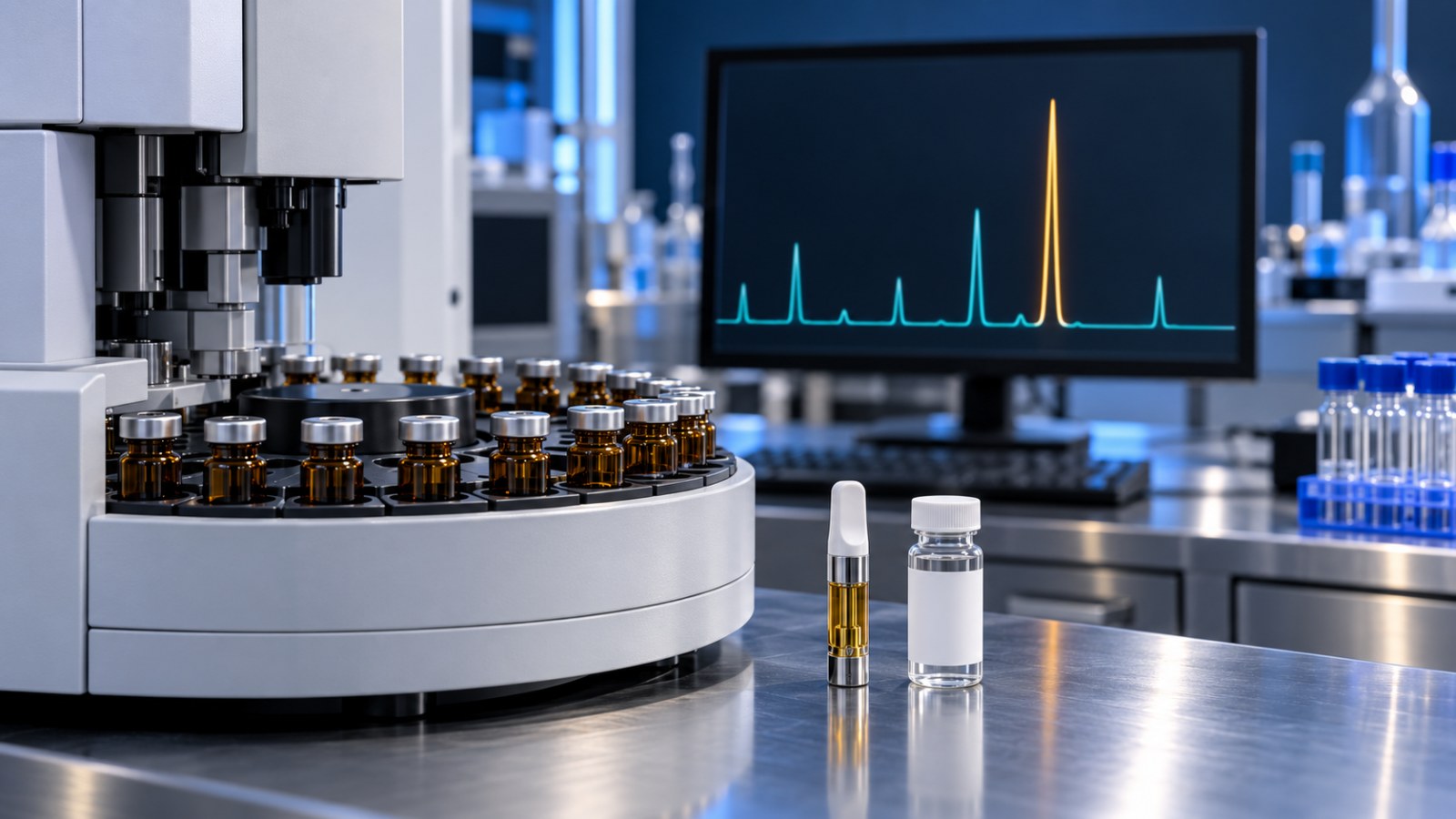
How to Detect Converted THC: Solvent Fingerprints, Isomer Signatures, and the Colorado Methylene Chloride Recall

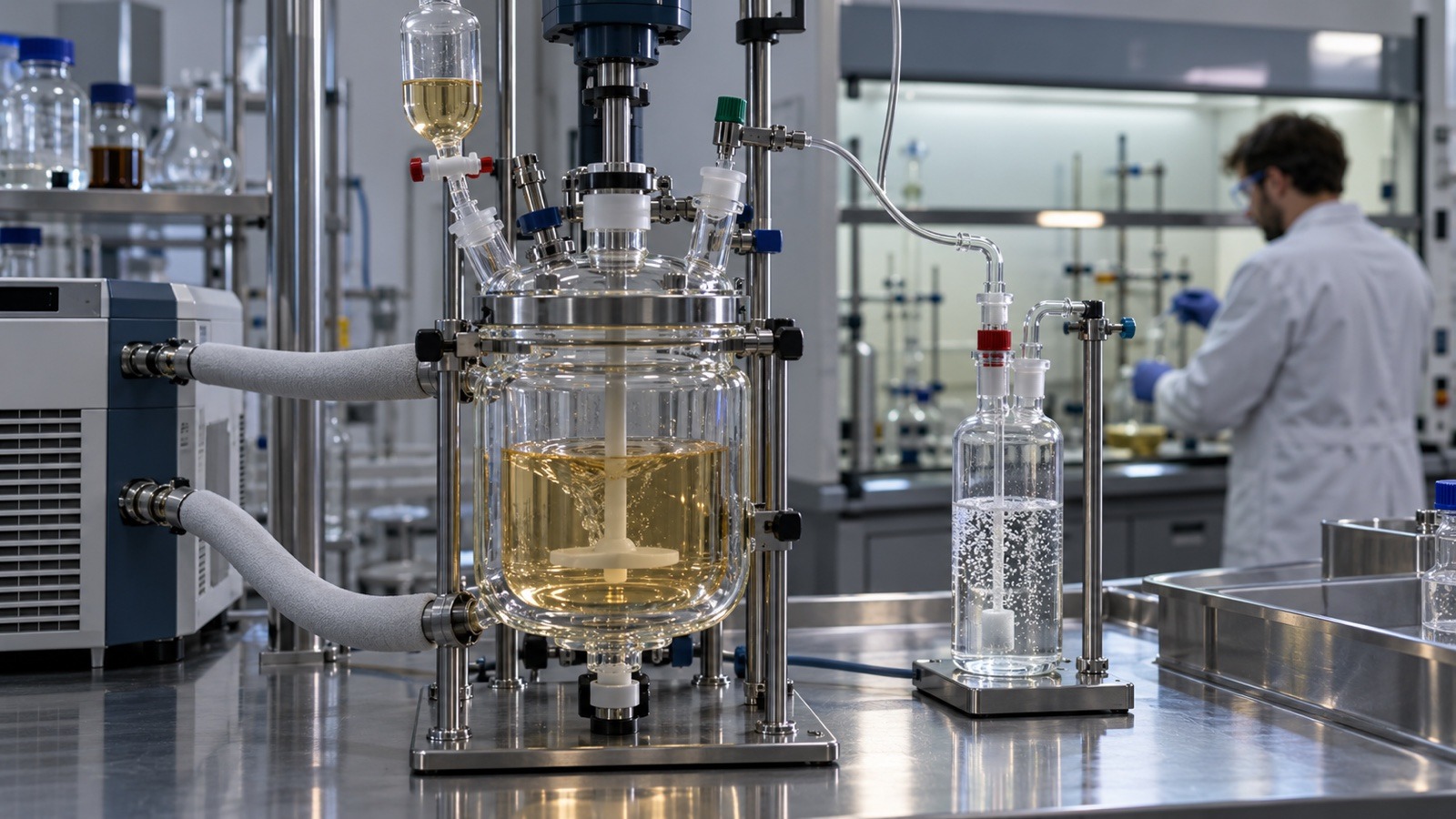
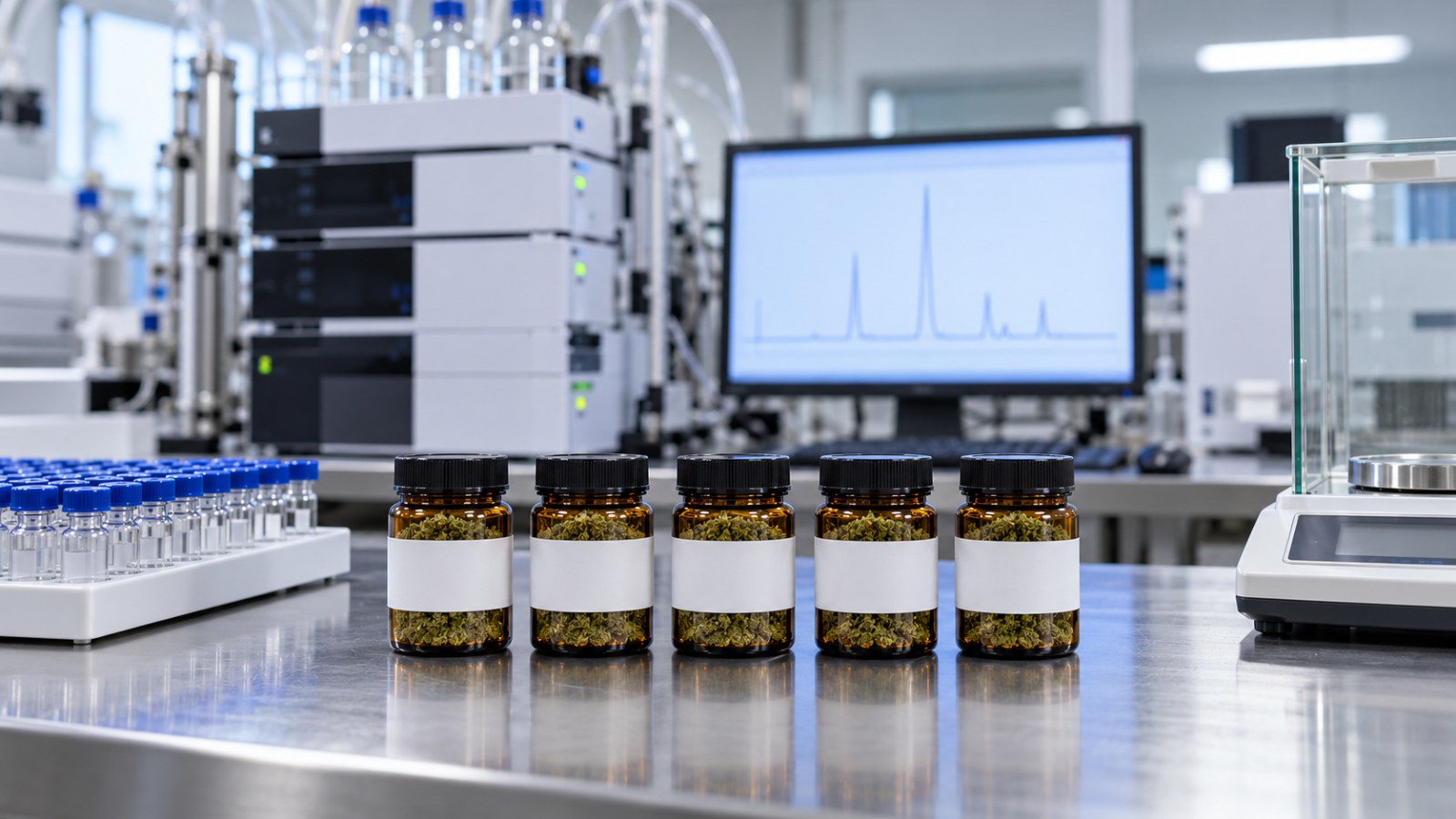
How labs, QA leads, and regulators detect CBD-to-THC conversion: the solvents that flag each route, USP 467 limits, the isomer thresholds (delta-8, delta-10, iso-THC, olivetol), the zinc tell, and what the Colorado StayCon methylene chloride recall exposed.

By |2026-09-29T16:35:46+00:00September 29th, 2026|Cannabis Chemistry, Industry & Regulation, Lab Techniques|Comments Off on How to Detect Converted THC: Solvent Fingerprints, Isomer Signatures, and the Colorado Methylene Chloride Recall

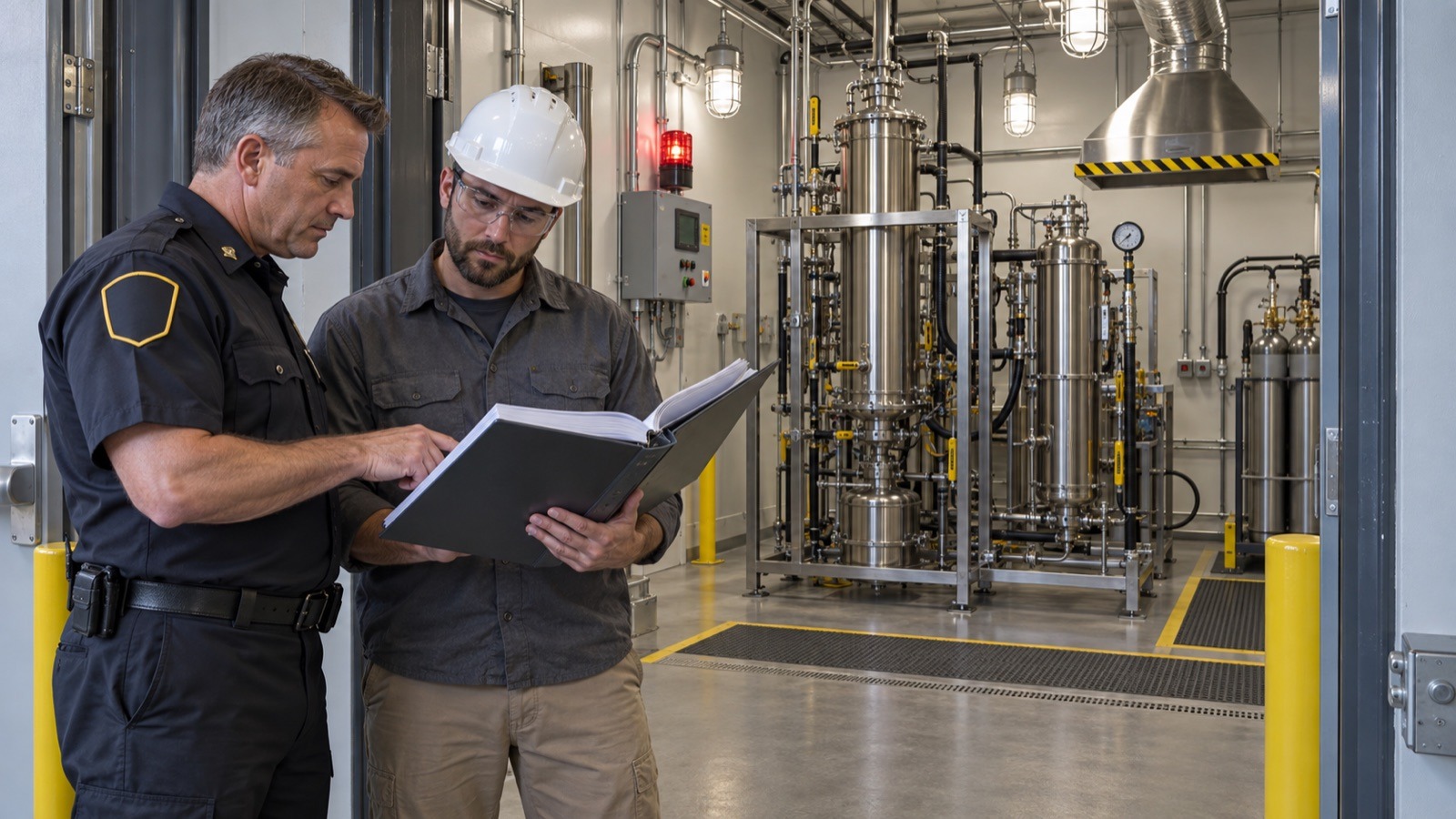
IFC Chapter 39 for Cannabis Extraction: Permits, Listed Equipment, and the Technical Report Your Fire Marshal Will Ask For

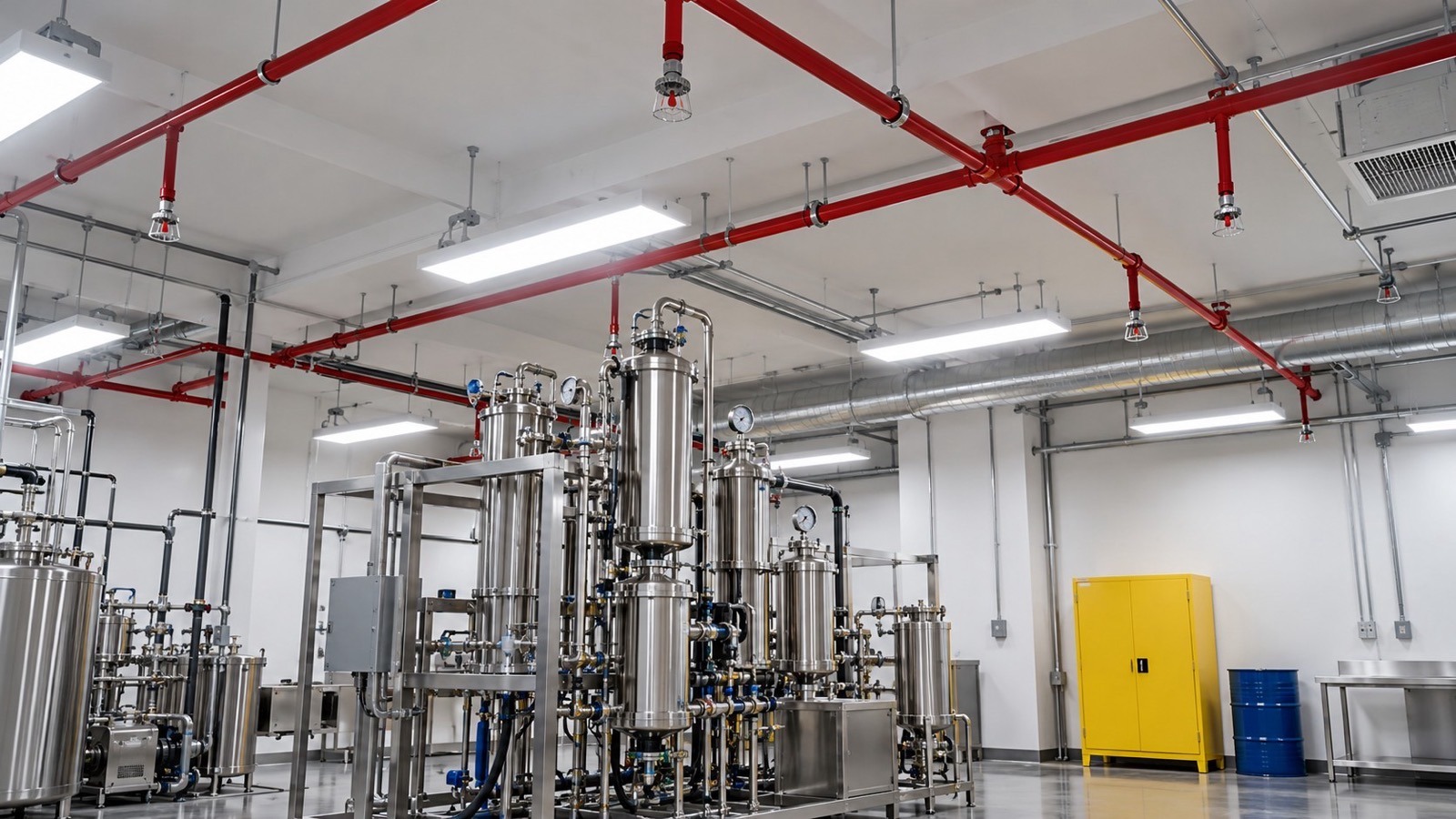
IFC Chapter 39 is the chapter of the International Fire Code your fire marshal opens when a cannabis extraction permit lands on the desk, and it gives you exactly two ways to put an extractor in a building: the equipment is listed and labeled to UL 1389 (Section 3904.2.1), or a registered design professional writes [...]

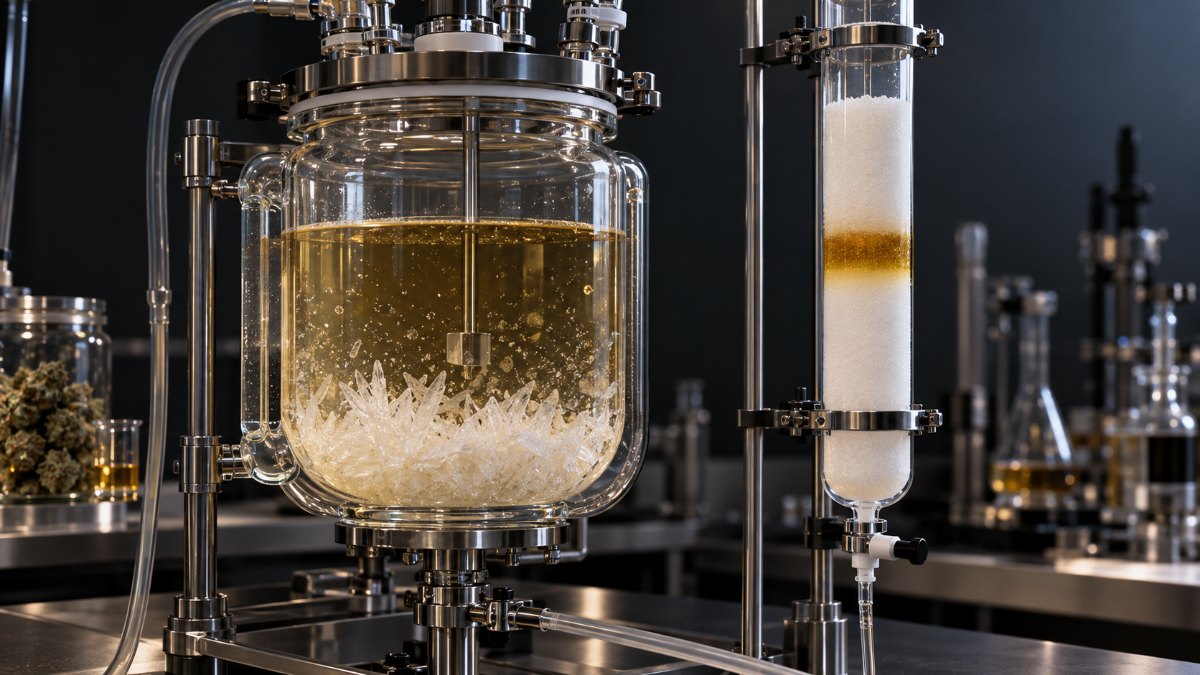
THC Remediation for Hemp Extracts: Crystallization vs Chromatography vs Degradation, With the Numbers

THC remediation for hot hemp extracts: crystallization, flash chromatography, and degradation compared on THC floor, CBD recovery, cost per kg, and failure modes.

By |2026-09-29T16:31:42+00:00September 10th, 2026|Cannabis Chemistry, Industry & Regulation, Post-Processing|Comments Off on THC Remediation for Hemp Extracts: Crystallization vs Chromatography vs Degradation, With the Numbers

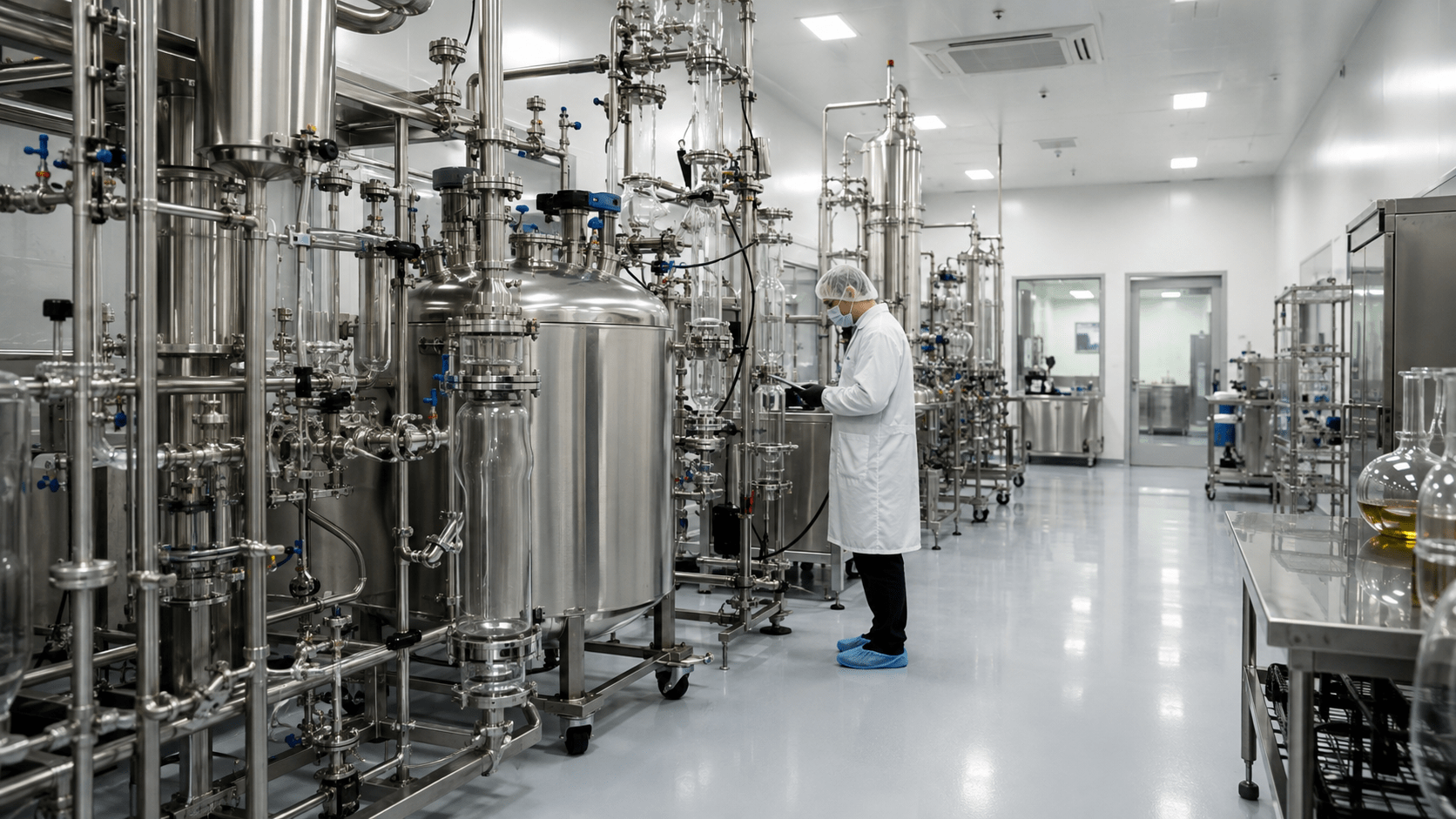
GMP Certification for Cannabis Extraction: Requirements, Cost, and Audit Failures

What GMP certification actually requires for a cannabis extraction lab: 21 CFR 211 and EU-GMP standards, ISO cleanroom classes, validation, cost, timeline, and the five audit failures that sink operators.

By |2026-10-01T16:17:12+00:00August 27th, 2026|Industry & Regulation, Lab Techniques|Comments Off on GMP Certification for Cannabis Extraction: Requirements, Cost, and Audit Failures

Cannabis Extraction Waste Disposal: RCRA Classification, Generator Status, and Compliance

Most cannabis extraction labs treat waste as an afterthought until an EPA inspector or a state auditor treats it as a fine. Here is the number that should stop you: 100 kilograms per month. That is roughly 33 gallons of spent ethanol, and it is the line between being a Very Small Quantity Generator with [...]

By |2026-09-28T17:33:41+00:00August 25th, 2026|Cannabis Safety, Industry & Regulation|Comments Off on Cannabis Extraction Waste Disposal: RCRA Classification, Generator Status, and Compliance

Solvent Storage Room Design for Cannabis Extraction Facilities: NFPA 30, MAQ, Ventilation, and Containment

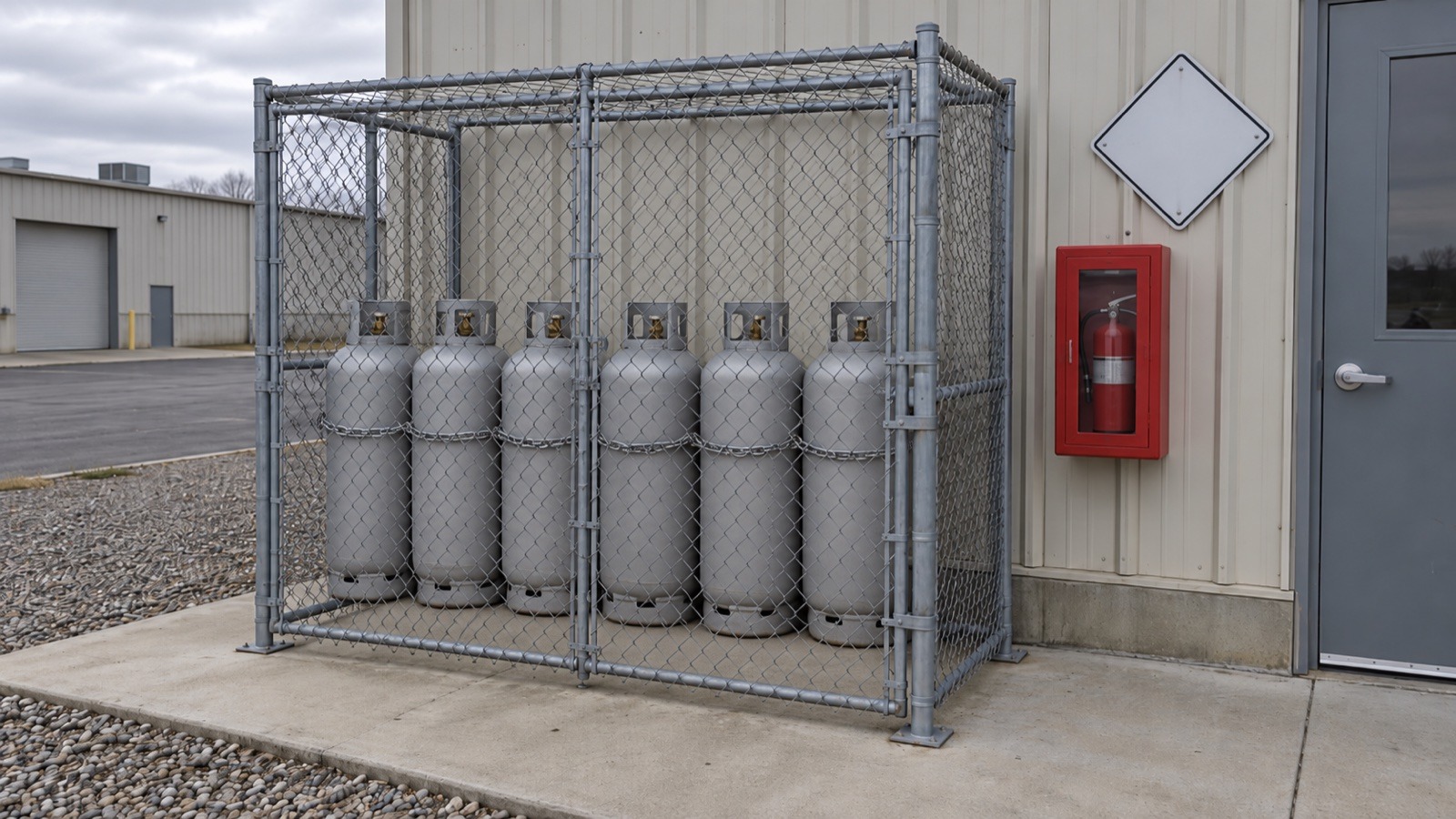
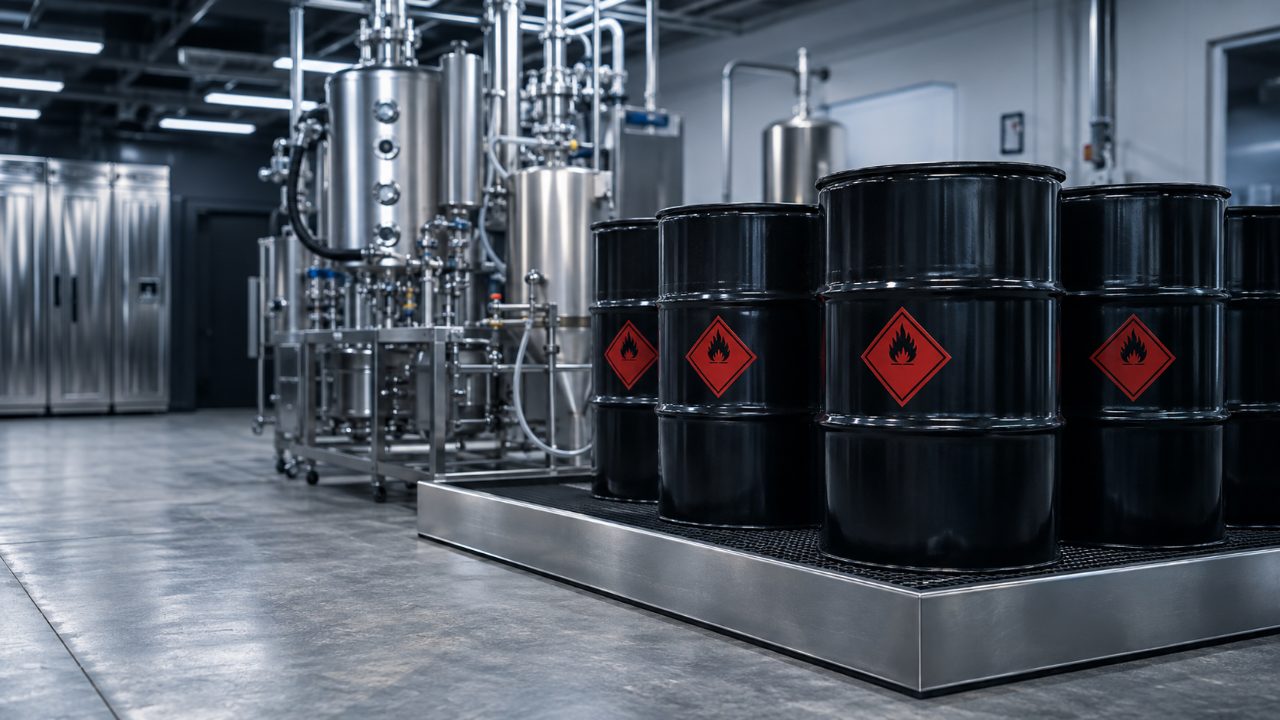
Quick answer: A compliant cannabis solvent storage setup is governed by NFPA 30 for flammable and combustible liquids (ethanol, isopropanol, heptane, pentane, acetone) and by NFPA 58 for liquefied petroleum gases (butane, propane). Carbon dioxide is neither: a CO2 extraction room is an asphyxiation and pressure-vessel problem, not an NFPA 30 one. A single flammable [...]

By |2026-10-01T16:05:16+00:00August 20th, 2026|Cannabis Safety, Industry & Regulation|Comments Off on Solvent Storage Room Design for Cannabis Extraction Facilities: NFPA 30, MAQ, Ventilation, and Containment

C1D1 Room Requirements: The Complete Compliance and Inspection Guide

A C1D1 extraction room needs explosion-proof electrical, 1 CFM/ft2 floor-level exhaust, negative pressure, and 25% LEL gas detection. Full spec and inspection checklist.

By |2026-10-01T16:05:05+00:00August 18th, 2026|Cannabis Safety, Industry & Regulation|Comments Off on C1D1 Room Requirements: The Complete Compliance and Inspection Guide

CO2 Extraction Room Design: Ventilation, Classification, and Build Requirements

CO2 extraction rooms operate at 1,071 to 5,000 PSI above the carbon dioxide critical point (31.1C, 73.8 atm), with asphyxiation as the primary hazard rather than fire or explosion. They are NOT classified as C1D1 or C1D2. Those classifications apply to flammable solvents like butane and ethanol under NFPA 30 and NEC Article 500. CO2 [...]

By |2026-10-01T16:03:40+00:00July 24th, 2026|Cannabis Safety, Industry & Regulation|Comments Off on CO2 Extraction Room Design: Ventilation, Classification, and Build Requirements

C1D1 vs C1D2 for Cannabis and Hemp Extraction: How to Classify Your Lab, What It Costs, and What Happens When You Get It Wrong

The Classification Argument That Costs Operators $200,000 Someone on the conference call says the vapor count in the room is low, so they do not need electrical classification. Someone else says the total ethanol volume is under maximum allowable quantities, so they are exempt. A third person says the equipment is closed-loop, so there is [...]

By |2026-09-22T20:24:01+00:00July 8th, 2026|Cannabis Safety, Industry & Regulation|Comments Off on C1D1 vs C1D2 for Cannabis and Hemp Extraction: How to Classify Your Lab, What It Costs, and What Happens When You Get It Wrong
Go to Top