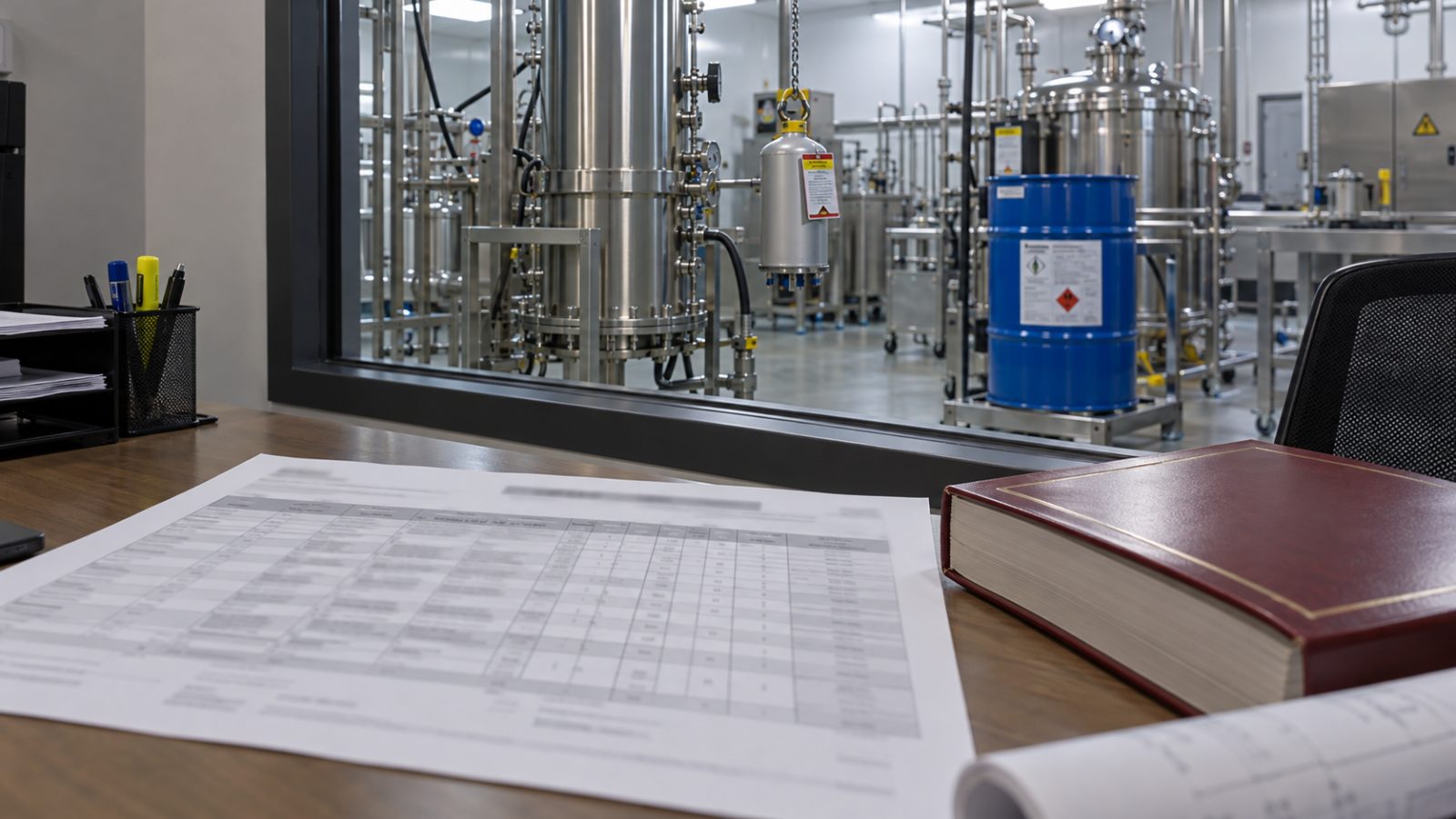
Cannabis Extraction Waste Disposal: RCRA Classification, Generator Status, and Compliance

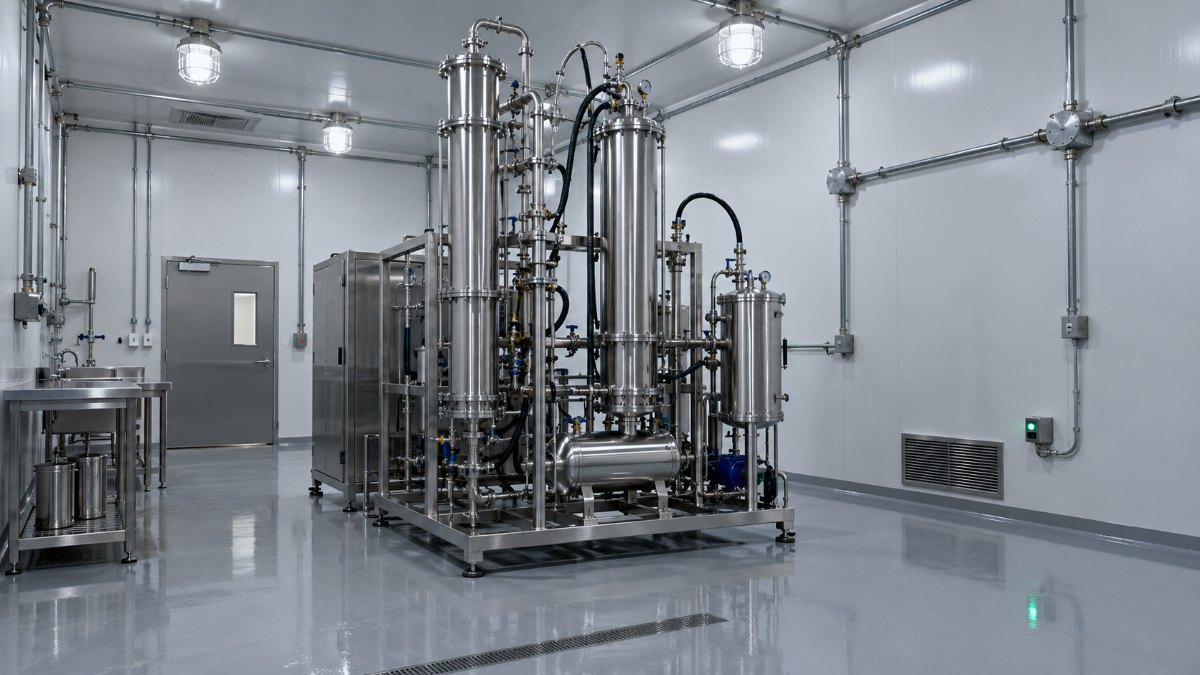
Most cannabis extraction labs treat waste as an afterthought until an EPA inspector or a state auditor treats it as a fine. Here is the number that should stop you: 100 kilograms per month. That is roughly 33 gallons of spent ethanol, and it is the line between being a Very Small Quantity Generator with [...]

By |2026-08-25T16:26:11+00:00August 25th, 2026|Cannabis Safety, Industry & Regulation|Comments Off on Cannabis Extraction Waste Disposal: RCRA Classification, Generator Status, and Compliance

Solvent Storage Room Design for Cannabis Extraction Facilities: NFPA 30, MAQ, Ventilation, and Containment

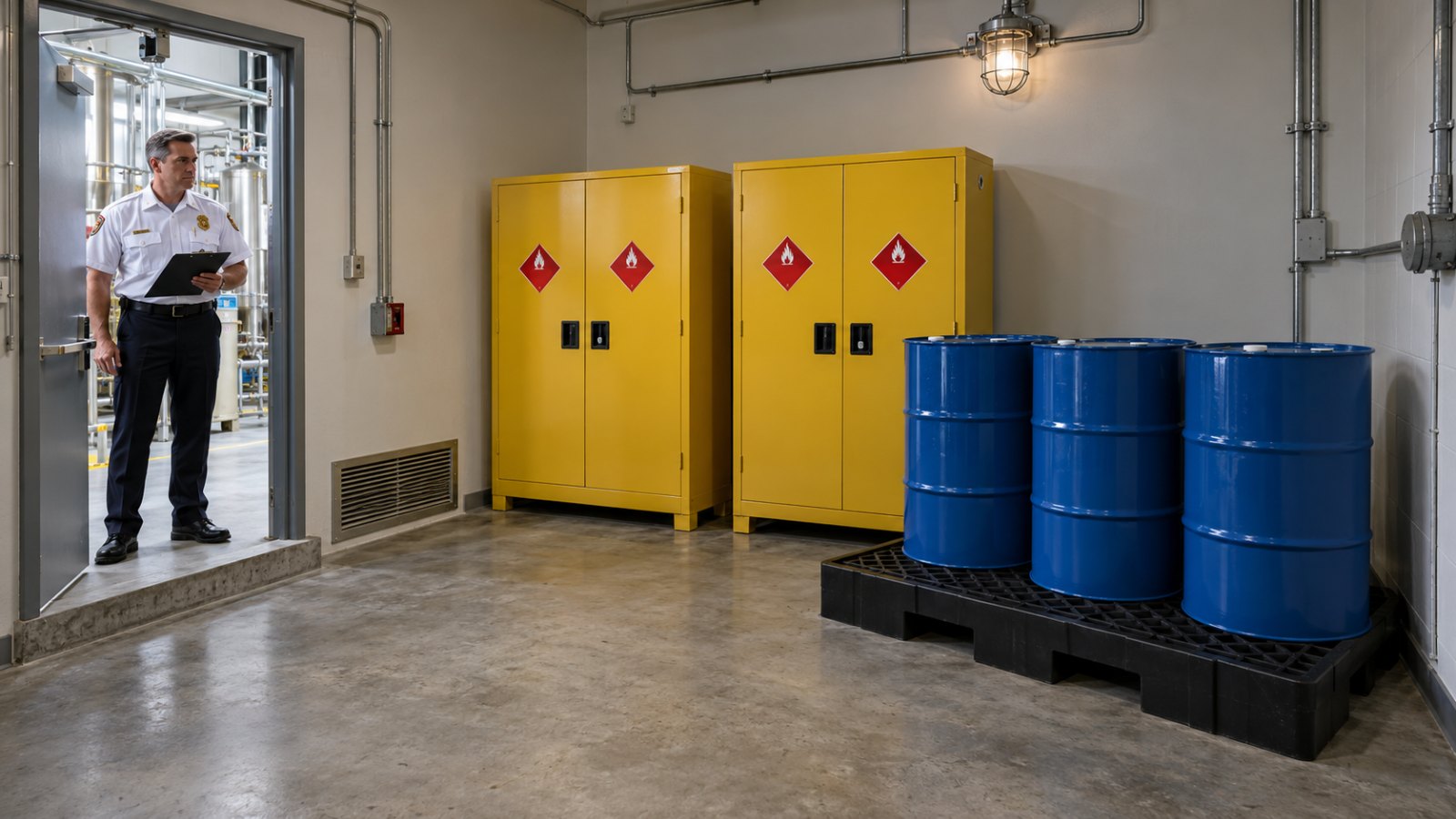
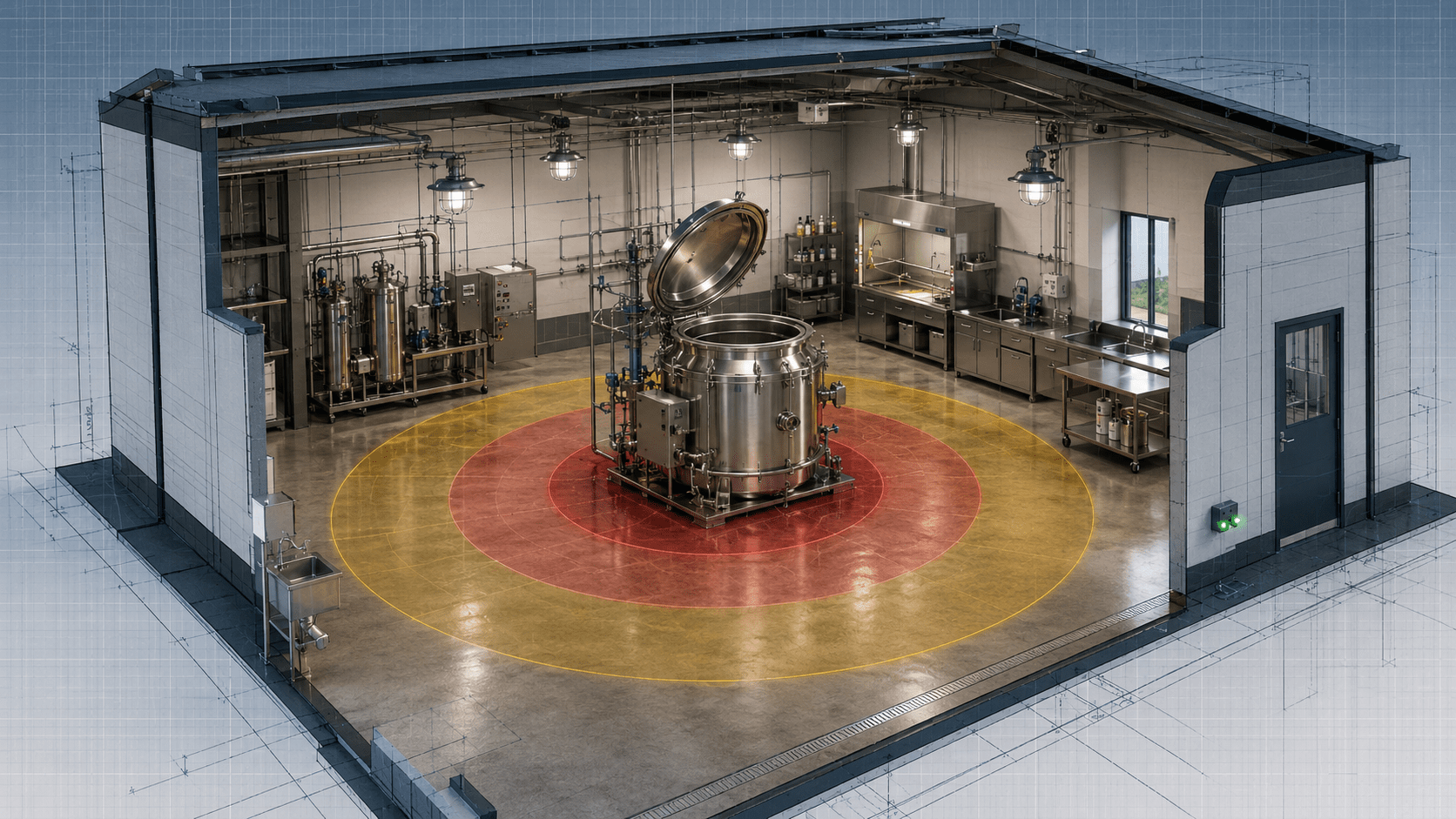
Solvent Storage Room Design for Cannabis Extraction Facilities: NFPA 30, MAQ, Ventilation, and Containment Quick answer: A compliant cannabis solvent storage setup is governed by NFPA 30 for flammable and combustible liquids (ethanol, isopropanol, heptane, pentane, acetone) and by NFPA 58 for liquefied petroleum gases (butane, propane). A single flammable liquid storage cabinet holds a [...]

By |2026-08-20T22:42:32+00:00August 20th, 2026|Cannabis Safety, Industry & Regulation|Comments Off on Solvent Storage Room Design for Cannabis Extraction Facilities: NFPA 30, MAQ, Ventilation, and Containment

CO2 Extraction Room Design: Ventilation, Classification, and Build Requirements

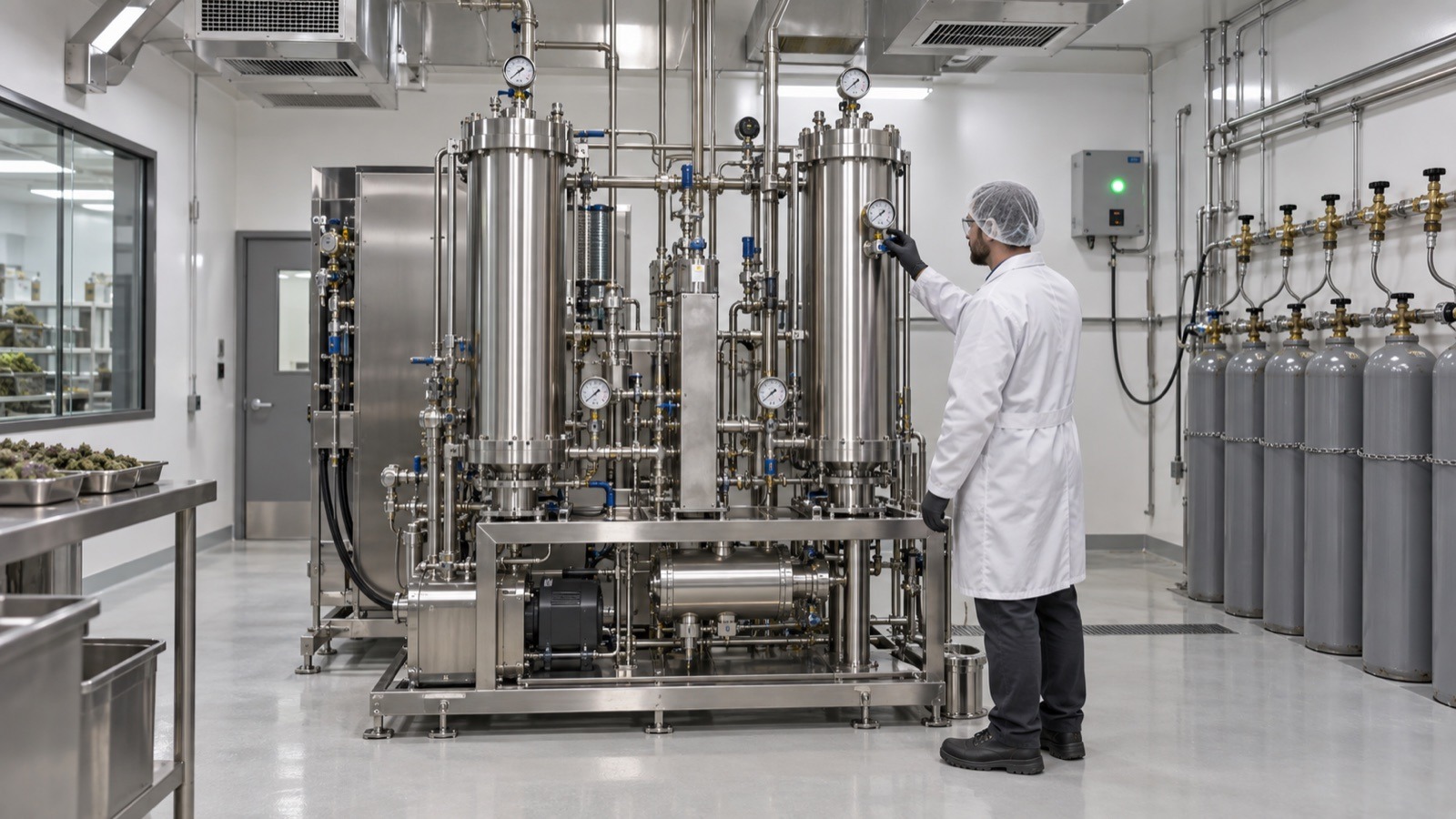
CO2 extraction rooms operate at 1,071 to 5,000 PSI above the carbon dioxide critical point (31.1C, 73.8 atm), with asphyxiation as the primary hazard rather than fire or explosion. They are NOT classified as C1D1 or C1D2. Those classifications apply to flammable solvents like butane and ethanol under NFPA 30 and NEC Article 500. CO2 [...]

By |2026-08-17T20:34:12+00:00July 24th, 2026|Cannabis Safety, Industry & Regulation|Comments Off on CO2 Extraction Room Design: Ventilation, Classification, and Build Requirements

Residual Solvent Purging in Cannabis: How to Remove Butane, Propane, and Ethanol Without Cooking the Batch

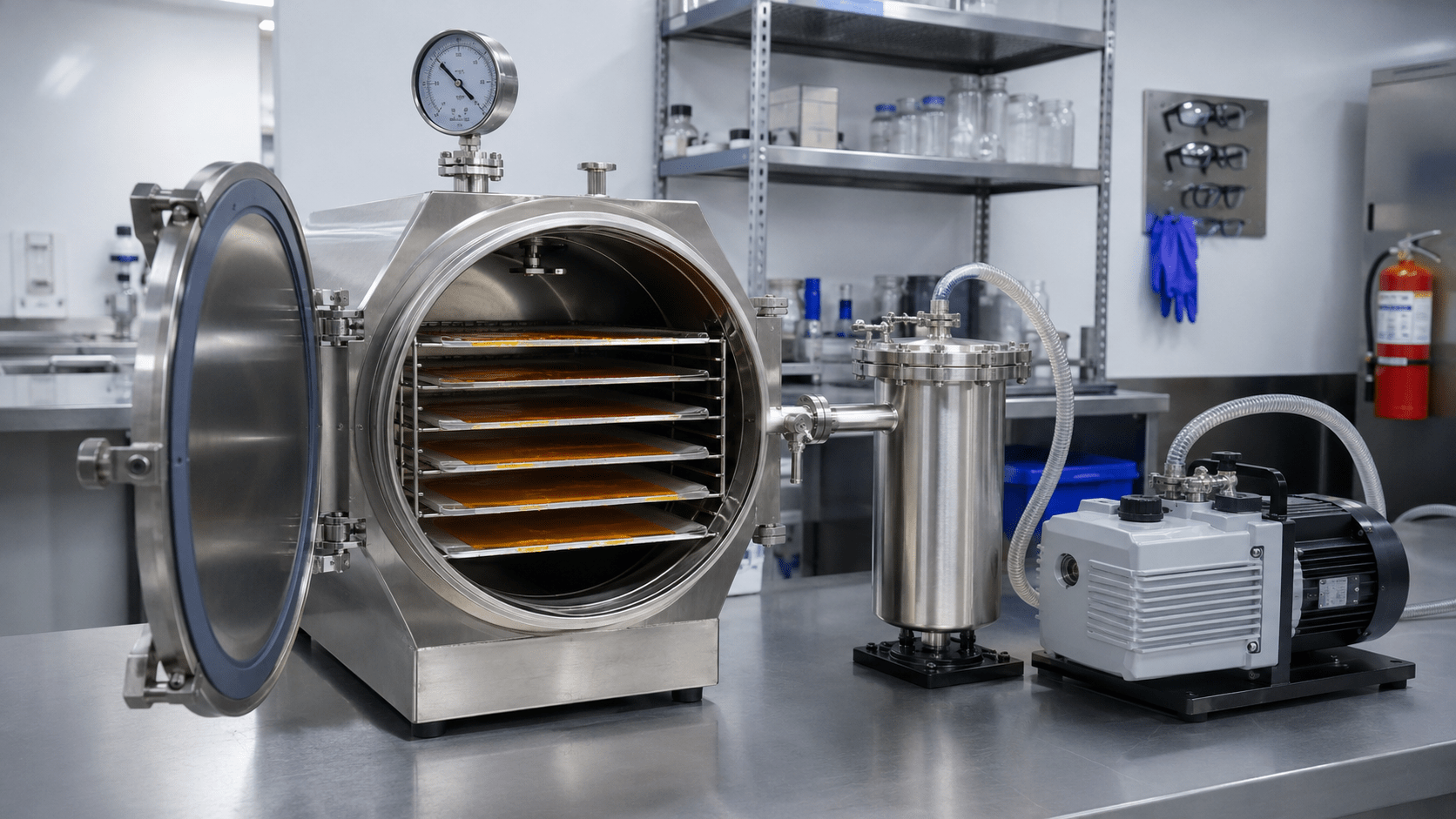
If your extract still carries residual solvent at the end of the process, the problem usually did not start in the vacuum oven. It started upstream with film thickness, solvent load, heat input, vacuum depth, or the operator trying to force mass transfer with temperature instead of time and surface area. Residual solvent purging in [...]

By |2026-06-28T17:15:12+00:00June 21st, 2026|Cannabis Safety, Lab Techniques, Post-Processing|Comments Off on Residual Solvent Purging in Cannabis: How to Remove Butane, Propane, and Ethanol Without Cooking the Batch

How to Purge Residual Solvents from Cannabis Concentrates: Solvent-Specific SOPs

How to Purge Residual Solvents from Cannabis Concentrates: Solvent-Specific SOPs, State Limits, and Diagnostic Protocol Residual solvent purging for cannabis concentrates requires solvent-specific parameters: butane purges at 29-38C (85-100F) under 29+ inHg vacuum for 24-72 hours to reach sub-500 ppm. Ethanol purges at 40-50C (104-122F) under 28+ inHg for 8-24 hours. Propane purges faster than [...]

By |2026-06-09T17:00:53+00:00June 9th, 2026|Cannabis Safety, Extraction Techniques, Post-Processing|Comments Off on How to Purge Residual Solvents from Cannabis Concentrates: Solvent-Specific SOPs

Cannabis Lab Testing Fraud: How Fake COAs, Potency Inflation, and Corrupt Labs Are Poisoning the Legal Market

Nearly half of all licensed cannabis products on dispensary shelves carry THC labels that are wrong by more than 20%. A 2026 study found that 48% of licensed cannabis products deviated by more than 20% from their labeled THC concentration. A peer-reviewed PLOS One study of Colorado dispensary samples found average observed THC potency was [...]

By |2026-06-08T19:18:07+00:00June 8th, 2026|Cannabis Safety|Comments Off on Cannabis Lab Testing Fraud: How Fake COAs, Potency Inflation, and Corrupt Labs Are Poisoning the Legal Market

Closed-Loop Extraction Systems for Cannabis: How They Work, What Matters, and What Fails

What is a closed-loop extraction system, and why does it matter? A closed-loop extraction system recovers and reuses its solvent in a sealed circuit instead of venting it. In cannabis processing it moves butane, propane, or a blend (commonly around 70:30 butane to propane for live resin) through chilled biomass, dissolving cannabinoids and terpenes, then [...]

By |2026-08-27T01:54:29+00:00May 31st, 2026|Cannabis Safety, Extraction Techniques, Lab Techniques|Comments Off on Closed-Loop Extraction Systems for Cannabis: How They Work, What Matters, and What Fails

Cannabis Extraction Lab Safety Equipment: The Complete Compliance Checklist

Safety equipment extraction lab compliance starts here. For how federal reclassification affects lab compliance requirements, see our Schedule III analysis. What does a cannabis extraction lab actually need? A compliant facility requires, at minimum: a classified electrical system (C1D1 or C1D2), continuous LEL gas detection with an alarm set at no greater than 25 percent [...]

By |2026-08-17T20:34:25+00:00April 2nd, 2026|Cannabis Safety, Extraction Techniques, Lab Techniques|Comments Off on Cannabis Extraction Lab Safety Equipment: The Complete Compliance Checklist
Go to Top