Deep dives into cannabinoid chemistry, isomerization, conversion reactions, and molecular science behind cannabis processing.
Degumming Cannabis Crude Oil: Phospholipid Removal Before Distillation

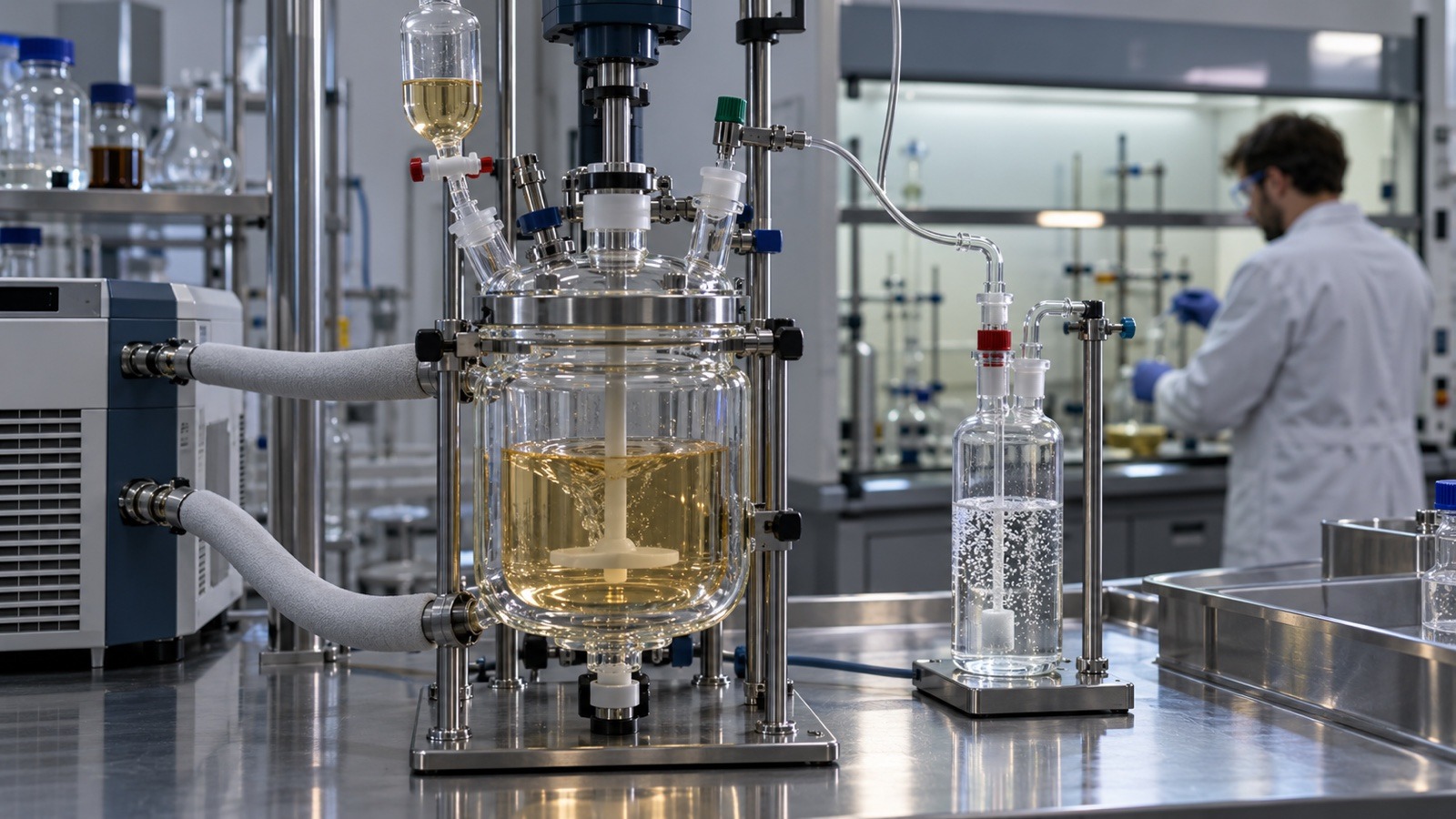
What Is Degumming and Why Should You Care? If you have ever run crude cannabis oil through a distillation system and noticed dark residue fouling your evaporator, cloudy distillate, or an unexplained drop in potency, the culprit is likely phospholipids. These amphiphilic molecules survive extraction, survive winterization, and then decompose at distillation temperatures, dragging your [...]

By |2026-04-20T18:20:35+00:00April 2nd, 2026|Post-Processing, Cannabis Chemistry|Comments Off on Degumming Cannabis Crude Oil: Phospholipid Removal Before Distillation

6 Reasons Full Spectrum Cannabis Extract Outperforms Distillate

Most operators choose distillate by default. Not because it's the best product for what they're making, but because it's easy. High purity, consistent potency, mixes into anything. Hard to argue with that workflow. But full spectrum extract exists for a reason. And when you understand what gets stripped during distillation, the tradeoff gets a lot [...]

By |2026-04-16T17:53:35+00:00March 29th, 2026|Cannabis Chemistry, Cannabis Education, Extraction Techniques|Comments Off on 6 Reasons Full Spectrum Cannabis Extract Outperforms Distillate

How to Make THCA Flower from Hemp: Chemistry, Compliance, and the Regulatory Clock

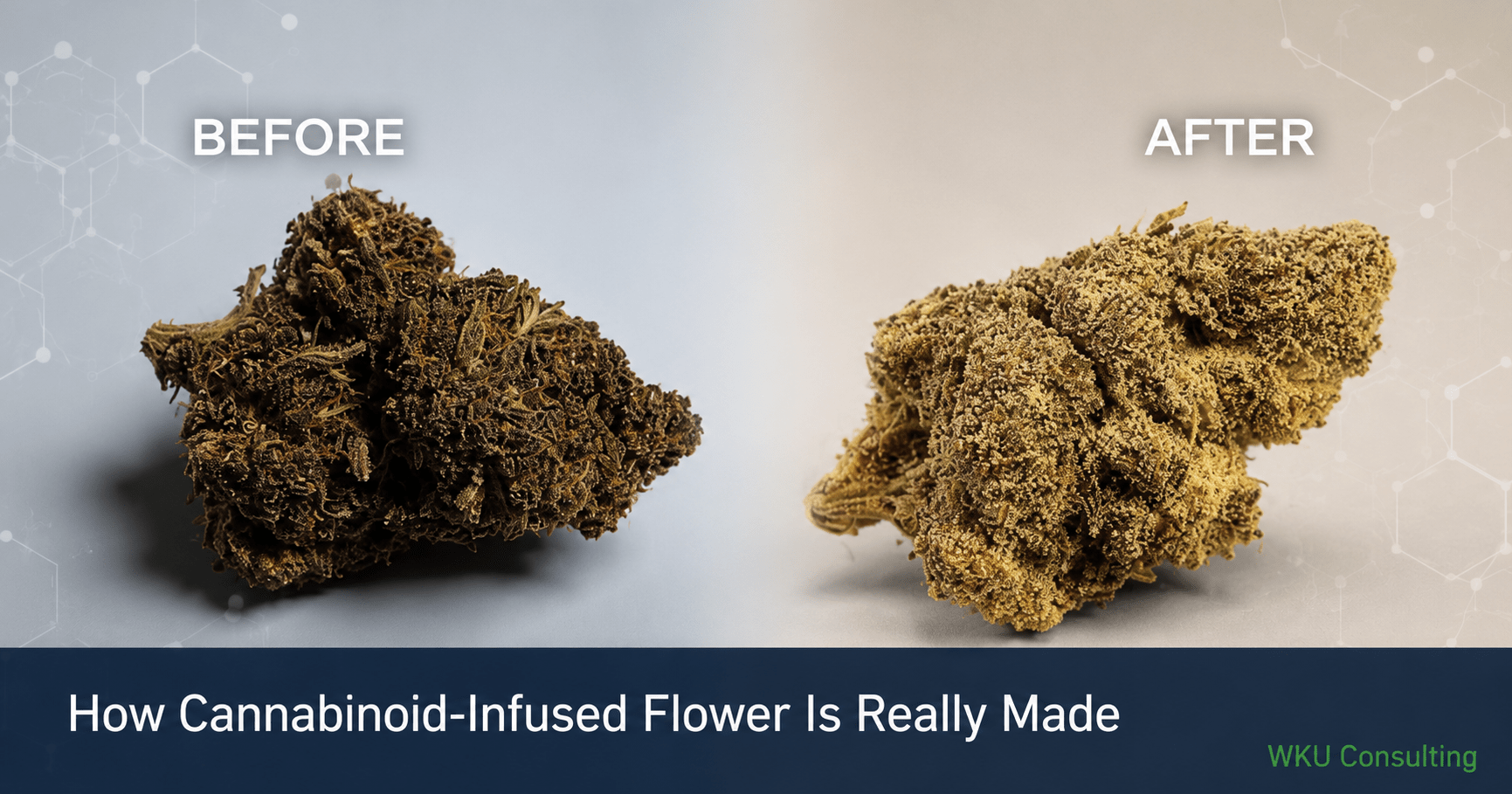
The conversation around THCA flower has been dominated by compliance anxiety for so long that the actual science barely gets airtime anymore. I find that frustrating. Not because compliance is unimportant, it is critically important right now, but because operators who do not understand the chemistry underneath the product are going to get crushed when [...]

By |2026-04-12T05:45:57+00:00March 27th, 2026|Cannabis Chemistry, Cannabis Education, Extraction Techniques, Post-Processing|Comments Off on How to Make THCA Flower from Hemp: Chemistry, Compliance, and the Regulatory Clock

Full Spectrum vs Distillate: The Chemistry Behind Cannabis Extract Types

What Is the Difference Between Full Spectrum and Distillate? What is the difference between full spectrum and distillate cannabis extracts? Full spectrum extract is a minimally refined cannabis oil that retains the plant’s complete chemical profile, including cannabinoids, terpenes, flavonoids, and other native compounds. Distillate is a highly purified extract produced through vacuum distillation, typically [...]

By |2026-04-20T18:21:01+00:00March 26th, 2026|Cannabis Chemistry, Cannabis Education, Extraction Techniques|Comments Off on Full Spectrum vs Distillate: The Chemistry Behind Cannabis Extract Types

How to Make Piatella from CBD

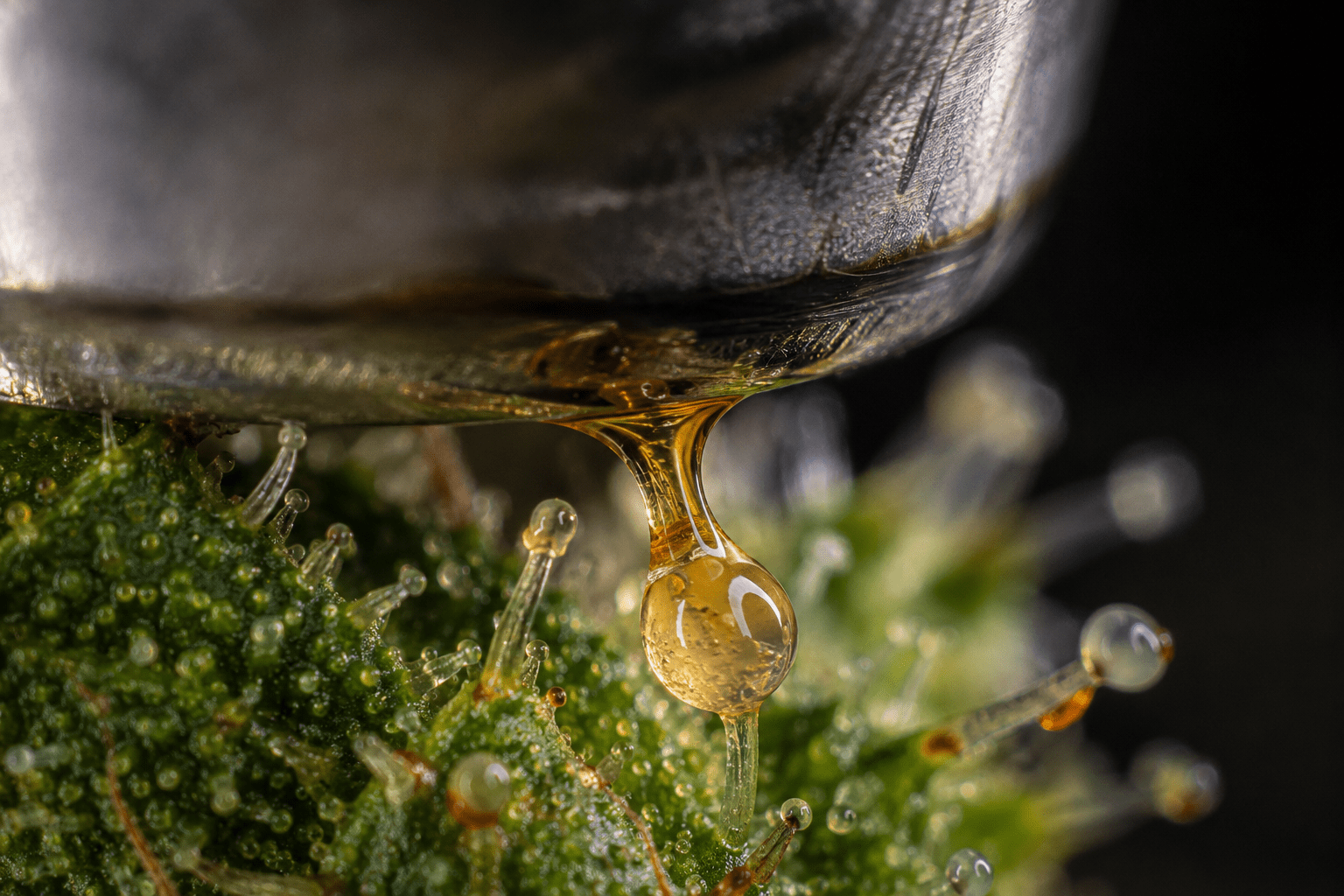
A comprehensive technical guide to authentic solventless piatella production and the CBD-derived alternative pathway, from first principles of trichome chemistry through finished product. https://youtu.be/ARQ7Ke7Stz8 Introduction Piatella has become one of the most talked-about cannabis concentrates in the world, and for good reason. It represents the pinnacle of solventless processing: a golden, butter-like slab that melts [...]

By |2026-04-22T21:48:19+00:00March 25th, 2026|Cannabis Chemistry, Cannabis Education, Extraction Techniques, Post-Processing|Comments Off on How to Make Piatella from CBD

Why Your Cannabis Concentrates Taste Wrong: Every Off-Flavor Traced to Its Cause

What are off-flavors in cannabis concentrates? Off-flavors are undesirable taste and aroma characteristics in cannabis extracts that deviate from the expected terpene profile of the source material. They range from sulfurous, burnt, or chemical tastes to flat, muted profiles where expected flavors are entirely absent. Off-flavors are the single most common quality complaint in concentrate [...]

By |2026-04-22T21:50:07+00:00March 24th, 2026|Cannabis Chemistry, Lab Techniques|Comments Off on Why Your Cannabis Concentrates Taste Wrong: Every Off-Flavor Traced to Its Cause

Rosin Diamonds: The Complete Guide to Solventless THCa Crystallization

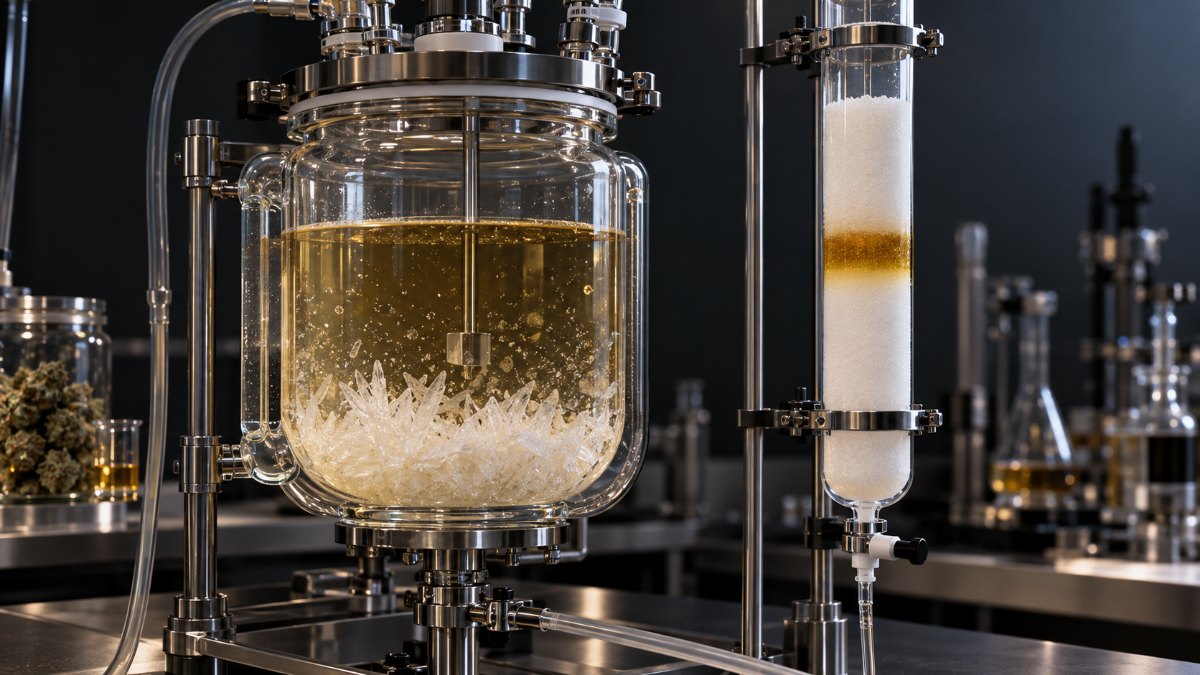
What Are Rosin Diamonds? Rosin diamonds are crystallized THCa isolate produced entirely through heat, pressure, and mechanical separation. No solvents. No chemical catalysts. No CRC media. The end product is a near-pure THCa crystal structure that rivals the potency and visual clarity of solvent-based diamonds at a fraction of the overhead cost. In dispensaries, THCa [...]

By |2026-04-22T20:57:26+00:00March 20th, 2026|Cannabis Chemistry, Lab Techniques|Comments Off on Rosin Diamonds: The Complete Guide to Solventless THCa Crystallization

Convert CBD to THC Without Solvents: The Amberlyst 15 Method

Why the Traditional CBD to THC Conversion Method Falls Short Converting CBD isolate into THC has become one of the most discussed processes in the cannabis and hemp processing industry. The traditional approach relies on dissolving CBD isolate in a solvent like heptane, adding a Lewis acid catalyst such as pTSA (para-toluenesulfonic acid) or hydrochloric [...]

By |2026-03-19T21:38:26+00:00March 19th, 2026|Cannabis Chemistry|Comments Off on Convert CBD to THC Without Solvents: The Amberlyst 15 Method

Is Yeast Replacing Cannabis? De Novo Cannabinoid Biosynthesis Explained

Cannabinoid Biosynthesis Is Changing Everything Cannabinoid biosynthesis is no longer a theoretical concept confined to academic papers — it's an industrial reality that's forcing the entire cannabis industry to pay attention. Scientists have successfully engineered yeast to produce THC, CBD, and rare cannabinoids like THCV and CBGV from nothing more than simple sugars. No plants. [...]

By |2026-03-08T15:11:21+00:00March 8th, 2026|Cannabis Chemistry|Comments Off on Is Yeast Replacing Cannabis? De Novo Cannabinoid Biosynthesis Explained

How to Convert CBD to THC at Home: Delta 9 & Delta 8 Isomerization SOP

How to Convert CBD to THC at Home: A Complete Isomerization SOP Yes, you can convert CBD to THC. The process is called isomerization, a chemical reaction that rearranges the molecular structure of CBD into THC using an acid catalyst. CBD and THC share the same molecular formula (C21H30O2) but differ in how their atoms [...]

By |2026-04-22T21:10:19+00:00February 28th, 2026|Cannabis Chemistry|Comments Off on How to Convert CBD to THC at Home: Delta 9 & Delta 8 Isomerization SOP
Go to Top