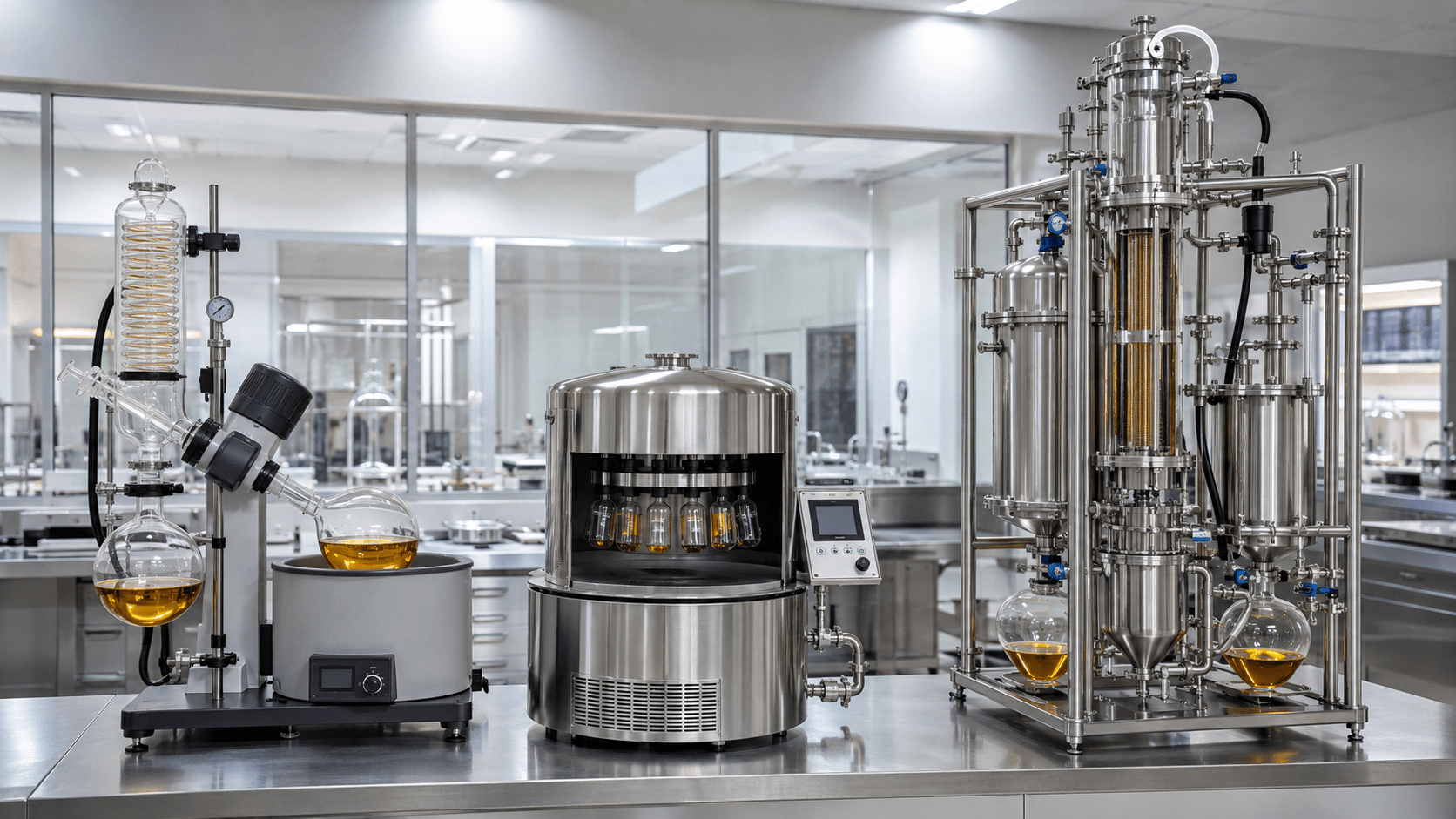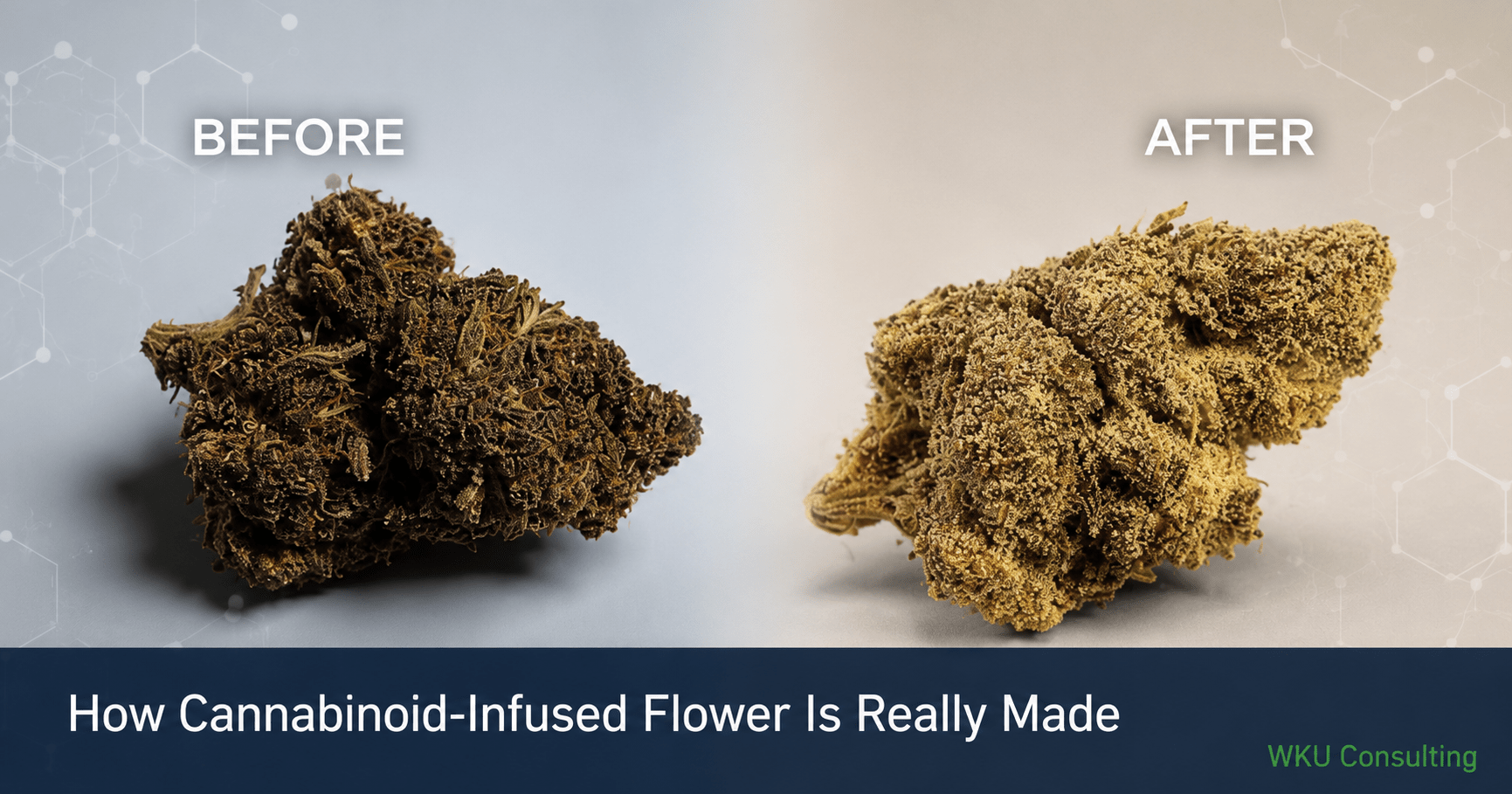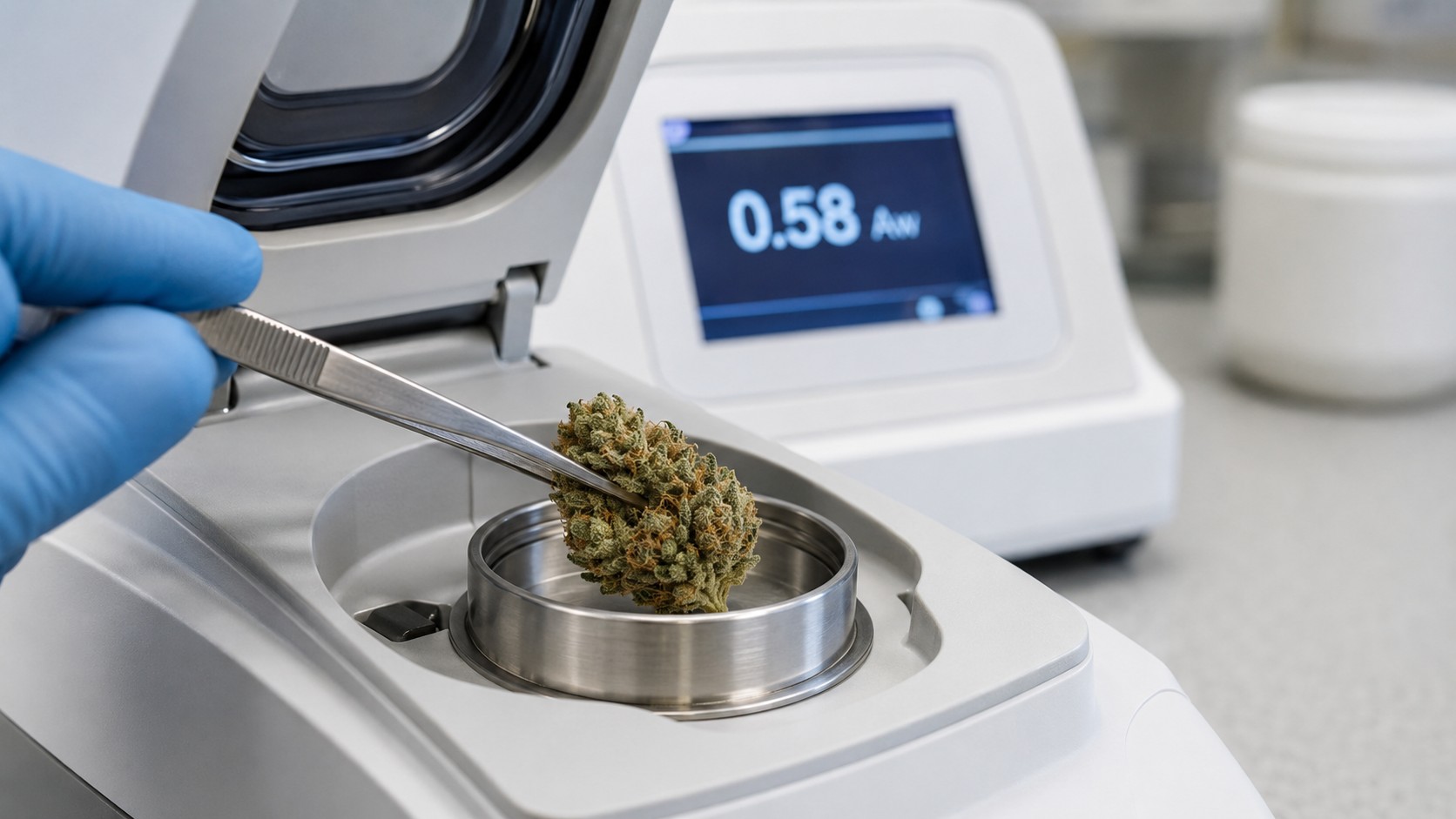
Step-by-step guides and SOPs for cannabis and hemp extraction methods including BHO, ethanol, CO2, and solventless techniques.
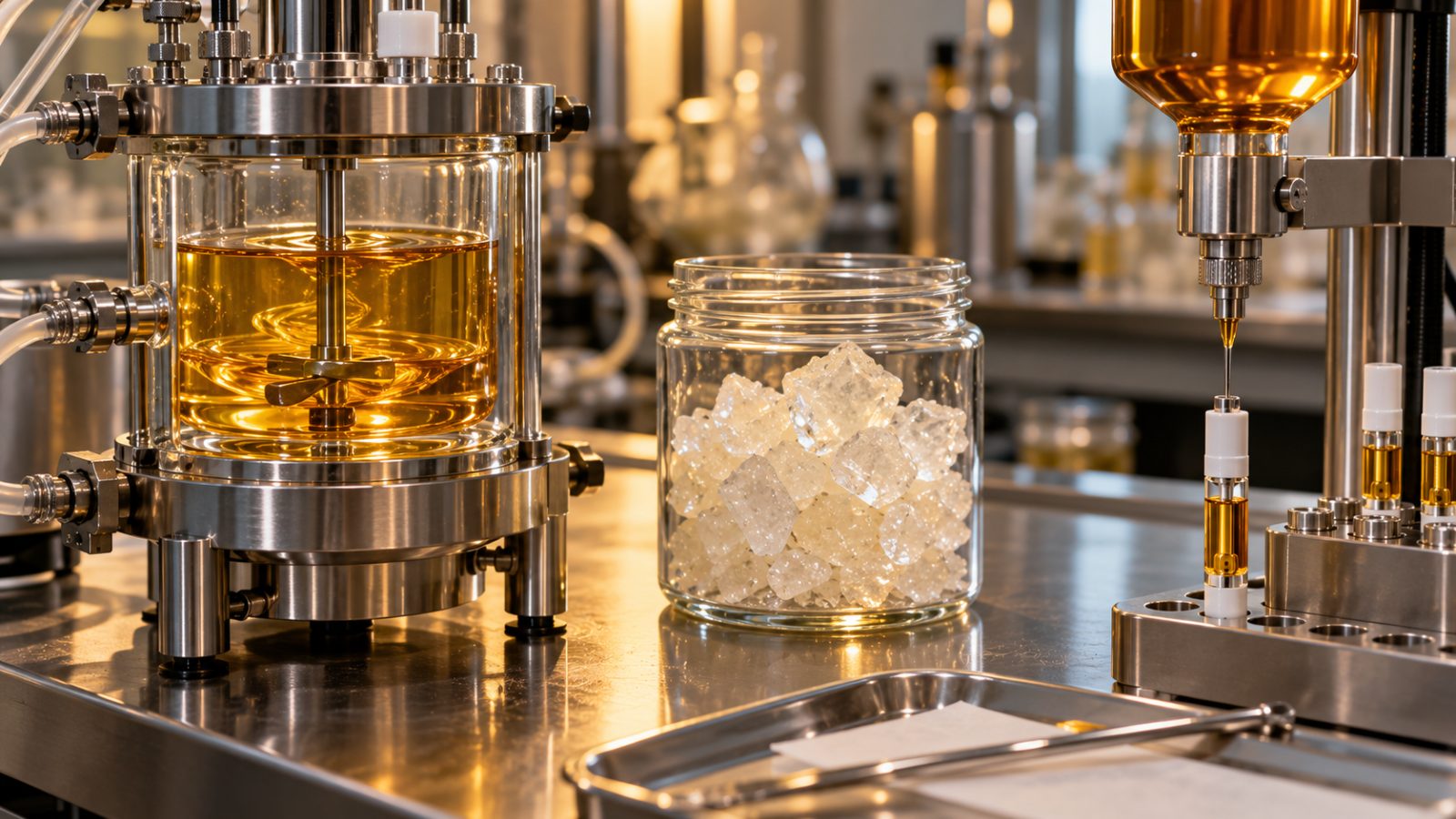
How to Purge Residual Solvents from Cannabis Concentrates: Solvent-Specific SOPs

How to Purge Residual Solvents from Cannabis Concentrates: Solvent-Specific SOPs, State Limits, and Diagnostic Protocol Residual solvent purging for cannabis concentrates requires solvent-specific parameters: butane purges at 29-38C (85-100F) under 29+ inHg vacuum for 24-72 hours to reach sub-500 ppm. Ethanol purges at 40-50C (104-122F) under 28+ inHg for 8-24 hours. Propane purges faster than [...]

By |2026-06-09T17:00:53+00:00June 9th, 2026|Cannabis Safety, Extraction Techniques, Post-Processing|Comments Off on How to Purge Residual Solvents from Cannabis Concentrates: Solvent-Specific SOPs

Closed-Loop Extraction Systems for Cannabis: How They Work, What Matters, and What Fails

What is a closed-loop extraction system, and why does it matter? If you want the downstream finishing side in more detail, read Residual Solvent Purging in Cannabis. It explains why slab geometry, vacuum depth, and solvent load decide whether your post-extraction workflow passes cleanly or keeps failing COAs. A closed-loop extraction system is a solvent-based [...]

By |2026-06-21T17:05:03+00:00May 31st, 2026|Cannabis Safety, Extraction Techniques, Lab Techniques|Comments Off on Closed-Loop Extraction Systems for Cannabis: How They Work, What Matters, and What Fails

Cannabis Filtration Media Chemistry: Independent Comparison of Every CRC Adsorbent

Cannabis filtration media splits into two functional classes: depth filtration (celite, perlite, filter paper) that removes particulates by size exclusion at 1-25 micron pore ratings, and adsorptive chromatography media (activated carbon, bentonite clay, silica gel, alumina, magnesium silicate) that removes contaminants by chemical interaction. Activated carbon adsorbs 85-95% of color bodies but strips 8-15% of [...]

By |2026-06-04T22:29:57+00:00May 19th, 2026|Cannabis Chemistry, Extraction Techniques|Comments Off on Cannabis Filtration Media Chemistry: Independent Comparison of Every CRC Adsorbent

Cannabis Pesticide Remediation: Which Media Removes What and Why

Cannabis pesticide remediation removes chemical residues from contaminated extracts using targeted adsorption: activated carbon grabs nonpolar organics like myclobutanil (log P 2.89) and bifenazate (log P 3.40) through van der Waals attraction in micropores sized 8-20 angstroms. Bentonite clay captures polar and cationic pesticides like daminozide (log P -0.29) through ion exchange at interlayer sites. [...]

By |2026-05-20T09:59:04+00:00May 16th, 2026|Extraction Techniques|Comments Off on Cannabis Pesticide Remediation: Which Media Removes What and Why

Acid Catalyst Comparison for CBD Isomerization: BF3, pTSA, CSA, H2SO4 and More

The Short Answer The catalyst you choose determines which cannabinoid you make, how fast you make it, and how much cleanup you need afterward. BF3 etherate pushes CBD toward delta-9-THC with 70-85% conversion in 1-3 hours at 60-80C (in toluene; never in DCM which boils at 40C). pTSA and CSA favor delta-8-THC through a longer [...]

By |2026-06-04T22:22:21+00:00May 14th, 2026|Cannabis Chemistry, Extraction Techniques|Comments Off on Acid Catalyst Comparison for CBD Isomerization: BF3, pTSA, CSA, H2SO4 and More

Cannabis Crude Oil Degumming: The Complete Guide to Removing Phospholipids Before Distillation

What is degumming in cannabis processing? Degumming is the step that removes phospholipids and related polar lipids from crude cannabis oil before distillation. If winterized crude still darkens hard in the still, leaves stubborn residue on hot surfaces, or produces a distillate that tastes flatter than it should, degumming is usually the missing step. Most [...]

By |2026-05-20T10:01:29+00:00May 3rd, 2026|Extraction Techniques, Lab Techniques, Post-Processing|Comments Off on Cannabis Crude Oil Degumming: The Complete Guide to Removing Phospholipids Before Distillation

How to Make Bubble Hash: Ice Water Extraction From Start to Finish

Bubble hash is the simplest extraction method in cannabis. No solvents, no closed loops, no C1D1 rooms. Just ice, water, agitation, and gravity. Trichome heads are denser than water, and cold makes them brittle enough to snap off the plant material. Everything else is technique. The difference between 6-star full melt and brown food-grade hash [...]

By |2026-04-22T18:19:06+00:00April 22nd, 2026|Extraction Techniques, Lab Techniques|Comments Off on How to Make Bubble Hash: Ice Water Extraction From Start to Finish

Cannabis Extraction Lab Safety Equipment: The Complete Compliance Checklist

Safety equipment extraction lab compliance starts here. For how federal reclassification affects lab compliance requirements, see our Schedule III analysis. What does a cannabis extraction lab actually need? A compliant facility requires, at minimum: a classified electrical system (C1D1 or C1D2), continuous LEL gas detection with an alarm set at no greater than 25 percent [...]

By |2026-06-16T22:16:30+00:00April 2nd, 2026|Cannabis Safety, Extraction Techniques, Lab Techniques|Comments Off on Cannabis Extraction Lab Safety Equipment: The Complete Compliance Checklist

How to Press Rosin from Flower: Complete SOP for Maximum Yield

What Is Flower Rosin? Flower rosin is a solventless cannabis concentrate made by applying heat and pressure to dried cannabis flower. No butane, no ethanol, no CO2. Just mechanical force and controlled temperature squeezing cannabinoids and terpenes out of the trichome heads and onto parchment paper. The result is a golden, terpene-rich extract that preserves [...]

By |2026-04-22T21:54:53+00:00April 1st, 2026|Extraction Techniques|Comments Off on How to Press Rosin from Flower: Complete SOP for Maximum Yield

How to Make RSO (Rick Simpson Oil): Complete Extraction Guide

RSO (Rick Simpson Oil) is a full-spectrum cannabis extract made by dissolving dried flower in 190-proof ethanol at a 750 mL per ounce ratio (roughly 3 cups per ounce of flower). The traditional Rick Simpson method used 1 gallon per ounce, but that volume of ethanol creates unnecessary fire risk during evaporation. 750 mL extracts [...]

By |2026-06-22T17:54:32+00:00March 30th, 2026|Cannabis Education, Extraction Techniques|Comments Off on How to Make RSO (Rick Simpson Oil): Complete Extraction Guide
Go to Top