Deep dives into cannabinoid chemistry, isomerization, conversion reactions, and molecular science behind cannabis processing.
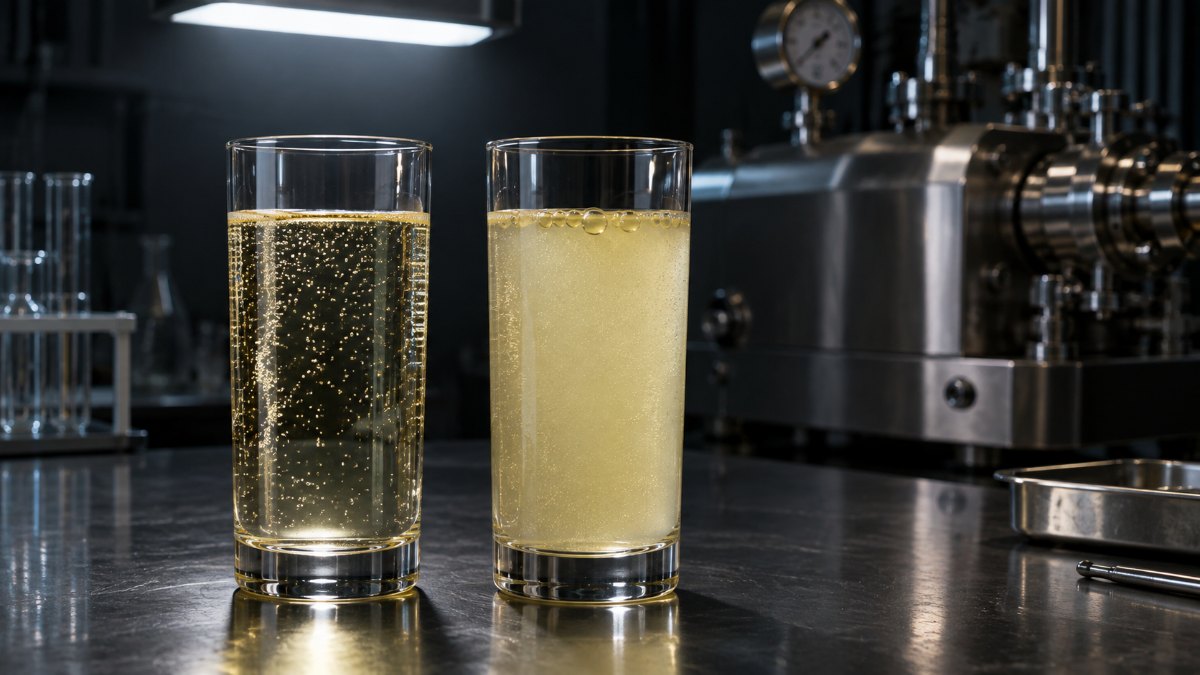
Why Your Cannabis Concentrates Taste Wrong: Every Off-Flavor Traced to Its Cause

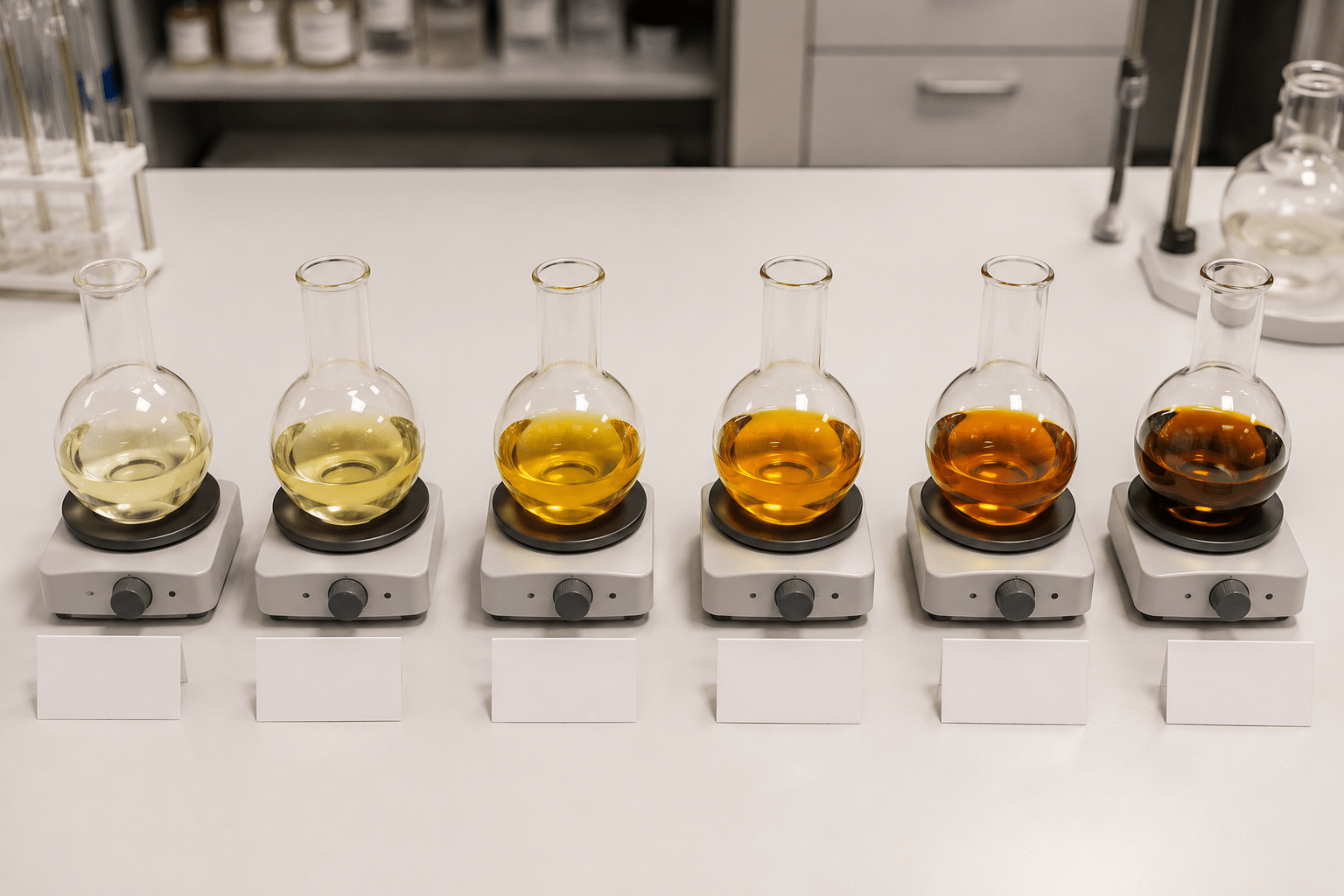
What are off-flavors in cannabis concentrates? Off-flavors are undesirable taste and aroma characteristics in cannabis extracts that deviate from the expected terpene profile of the source material. They range from sulfurous, burnt, or chemical tastes to flat, muted profiles where expected flavors are entirely absent. Off-flavors are the single most common quality complaint in concentrate [...]

By |2026-07-20T19:33:32+00:00March 24th, 2026|Cannabis Chemistry, Lab Techniques|Comments Off on Why Your Cannabis Concentrates Taste Wrong: Every Off-Flavor Traced to Its Cause

Rosin Diamonds: The Complete Guide to Solventless THCa Crystallization

What Are Rosin Diamonds? Rosin diamonds are crystallized THCa isolate produced entirely through heat, pressure, and mechanical separation. No solvents. No chemical catalysts. No CRC media. The end product is a near-pure THCa crystal structure that rivals the potency and visual clarity of solvent-based diamonds at a fraction of the overhead cost. In dispensaries, THCa [...]

By |2026-07-01T17:17:50+00:00March 20th, 2026|Cannabis Chemistry, Lab Techniques|Comments Off on Rosin Diamonds: The Complete Guide to Solventless THCa Crystallization

Convert CBD to THC Without Solvents: The Amberlyst 15 Method

Why the Traditional CBD to THC Conversion Method Falls Short Converting CBD isolate into THC has become one of the most discussed processes in the cannabis and hemp processing industry. The traditional approach relies on dissolving CBD isolate in a solvent like heptane, adding a Lewis acid catalyst such as pTSA (para-toluenesulfonic acid) or hydrochloric [...]

By |2026-06-15T17:46:33+00:00March 19th, 2026|Cannabis Chemistry|Comments Off on Convert CBD to THC Without Solvents: The Amberlyst 15 Method

Is Yeast Replacing Cannabis? De Novo Cannabinoid Biosynthesis Explained

Cannabinoid Biosynthesis Is Changing Everything Cannabinoid biosynthesis is no longer a theoretical concept confined to academic papers — it's an industrial reality that's forcing the entire cannabis industry to pay attention. Scientists have successfully engineered yeast to produce THC, CBD, and rare cannabinoids like THCV and CBGV from nothing more than simple sugars. No plants. [...]

By |2026-03-08T15:11:21+00:00March 8th, 2026|Cannabis Chemistry|Comments Off on Is Yeast Replacing Cannabis? De Novo Cannabinoid Biosynthesis Explained

How to Convert CBD to THC at Home: Delta 9 & Delta 8 Isomerization SOP

CBD converts to THC through acid-catalyzed isomerization: a Lewis or Bronsted acid rearranges the molecular structure of CBD (C21H30O2) into delta-9-THC or delta-8-THC by cyclizing the open ring. The most common catalyst is para-toluenesulfonic acid (pTSA) at 0.1M concentration in dichloromethane at 80C for 3-4 hours, yielding 85-92% delta-9-THC with 3-7% delta-8 as a byproduct. [...]

By |2026-07-20T19:35:27+00:00February 28th, 2026|Cannabis Chemistry|Comments Off on How to Convert CBD to THC at Home: Delta 9 & Delta 8 Isomerization SOP

How to Make Delta 8 THC from CBD: Complete SOP Using a Short Path Distillation System

Learn how to convert CBD isolate into delta 8 THC using T-41 bleaching clay and a short path distillation system. Complete SOP with legality breakdown, equipment list, step-by-step procedure, and storage tips from WKU Consulting.

By |2026-03-20T00:37:41+00:00February 27th, 2026|Cannabis Chemistry, Lab Techniques|Comments Off on How to Make Delta 8 THC from CBD: Complete SOP Using a Short Path Distillation System

Unlocking the Potential of CBDM/THCM: Methylation of CBD

The world of cannabinoids continues to expand, presenting innovative pathways to harness their potential. Among these is the process of methylation, a chemical modification technique that holds promise in altering the properties of cannabinoids. In particular, the methylation of Cannabidiol (CBD) to create CBDM using dimethylsulphate has piqued the interest of researchers and enthusiasts alike. [...]

By |2026-03-06T22:29:03+00:00January 4th, 2024|Cannabis Chemistry|Comments Off on Unlocking the Potential of CBDM/THCM: Methylation of CBD

Unveiling the Potent Effects of 11-Hydroxy-Delta-9-Tetrahydrocannabinol (11-OH-THC)

When it comes to the green universe of cannabis, there's a star player that often hides in the shadows: 11-hydroxy-delta-9-tetrahydrocannabinol, or 11-OH-THC. This compound might not wear the crown like its cousin THC, but it's certainly making waves in the cannabis community. The Metabolic Magic Show Picture this: THC, the main act, enters the body [...]

By |2026-03-06T22:29:14+00:00December 26th, 2023|Cannabis Chemistry|Comments Off on Unveiling the Potent Effects of 11-Hydroxy-Delta-9-Tetrahydrocannabinol (11-OH-THC)

Boron Trifluoride (BF3) in Isomerization of CBD to Delta 9

Boron trifluoride (BF3) is a Lewis acid that is commonly used as a catalyst in the isomerization of CBD to other cannabinoids, such as THC. The process involves the use of BF3 to facilitate the rearrangement of atoms in the CBD molecule, leading to the formation of THC or other cannabinoids. The isomerization of CBD [...]

By |2026-05-04T03:03:47+00:00January 16th, 2023|Cannabis Chemistry|Comments Off on Boron Trifluoride (BF3) in Isomerization of CBD to Delta 9
Go to Top