Cannabis industry news, regulatory updates, licensing requirements, and business insights for extraction companies.
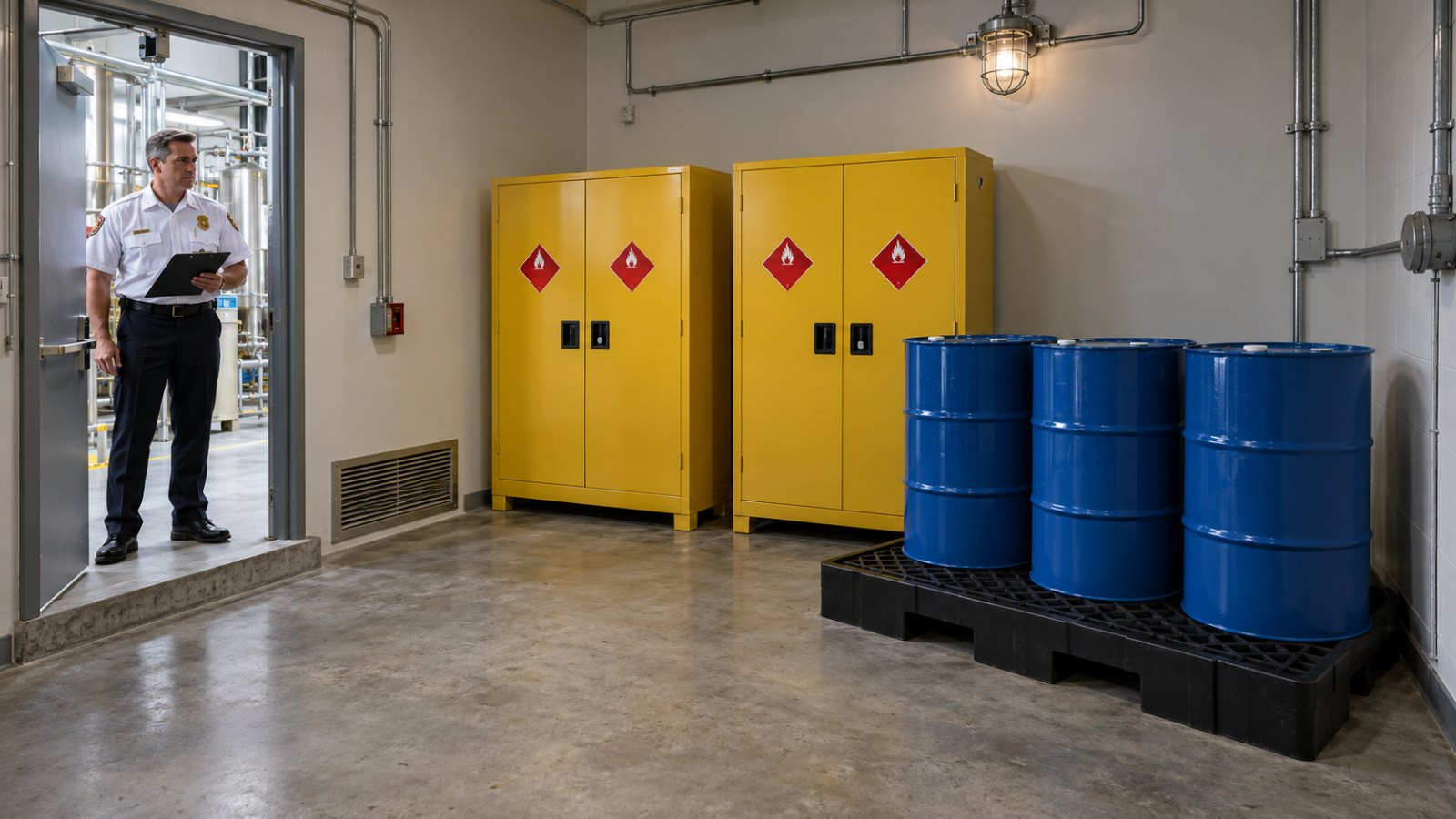
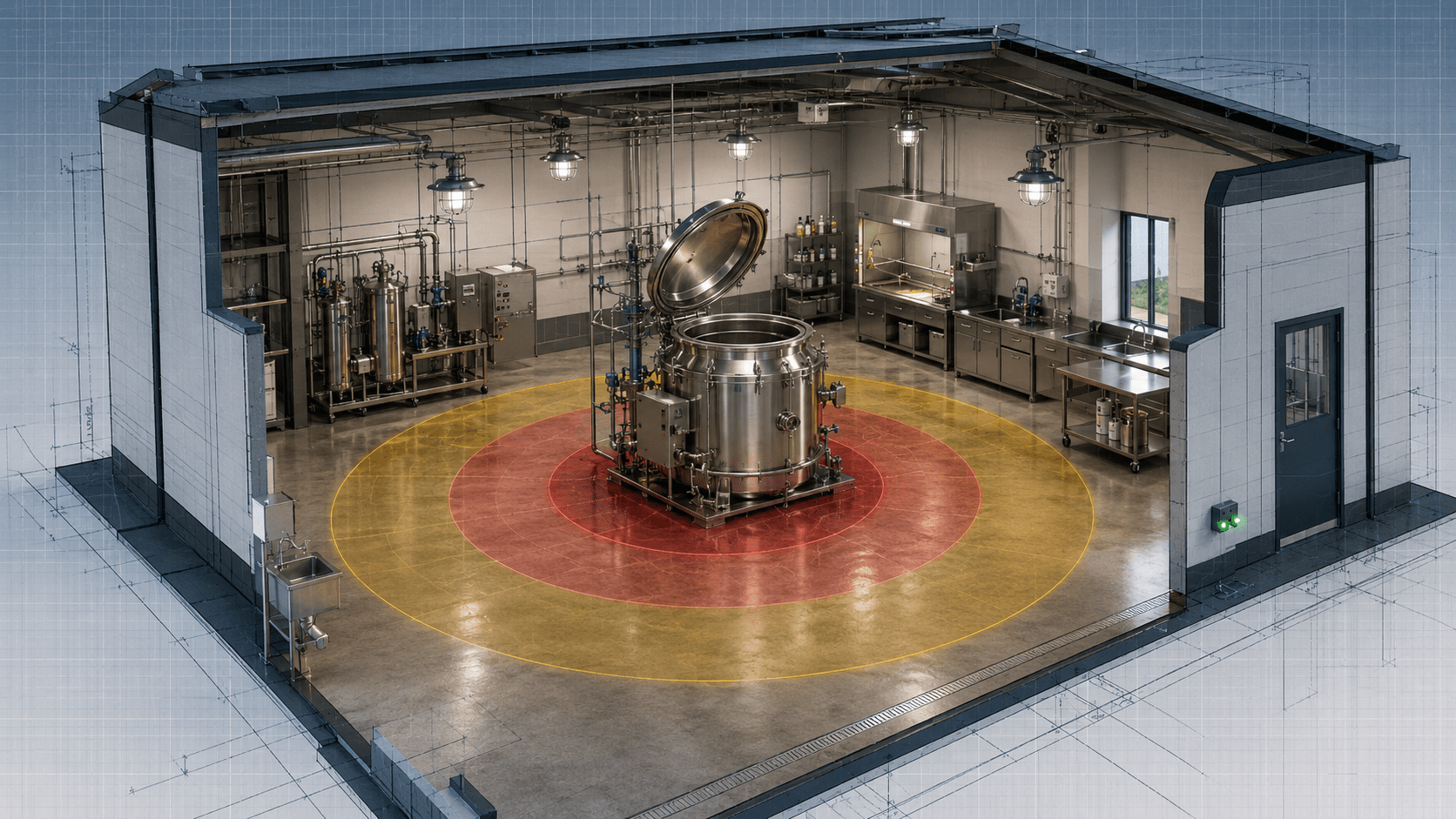
Solvent Storage Room Design for Cannabis Extraction Facilities: NFPA 30, MAQ, Ventilation, and Containment

Quick answer: A compliant cannabis solvent storage setup is governed by NFPA 30 for flammable and combustible liquids (ethanol, isopropanol, heptane, pentane, acetone) and by NFPA 58 for liquefied petroleum gases (butane, propane). Carbon dioxide is neither: a CO2 extraction room is an asphyxiation and pressure-vessel problem, not an NFPA 30 one. A single flammable [...]
By |2026-10-15T20:13:26+00:00August 20th, 2026|Cannabis Safety, Industry & Regulation|Comments Off on Solvent Storage Room Design for Cannabis Extraction Facilities: NFPA 30, MAQ, Ventilation, and Containment

C1D1 Room Requirements: The Complete Compliance and Inspection Guide

A C1D1 extraction room needs explosion-proof electrical, 1 CFM/ft2 floor-level exhaust, negative pressure, and 25% LEL gas detection. Full spec and inspection checklist.

By |2026-10-21T16:12:07+00:00August 18th, 2026|Cannabis Safety, Industry & Regulation|Comments Off on C1D1 Room Requirements: The Complete Compliance and Inspection Guide

Texas Just Made Delta-8 a Felony: The Chemistry They Got Wrong, The Lawsuit, and What Operators Do Now

On July 31, 2026, Texas reclassified delta-8 THC, delta-10 THC, THCP, and every other non-delta-9 tetrahydrocannabinol as a Schedule I controlled substance. What was a legal purchase on July 30 became a state jail felony on July 31. Possession now carries 180 days to two years in prison and fines up to $10,000. Four days [...]

By |2026-10-05T21:09:07+00:00August 4th, 2026|Cannabis Chemistry, Industry & Regulation|Comments Off on Texas Just Made Delta-8 a Felony: The Chemistry They Got Wrong, The Lawsuit, and What Operators Do Now

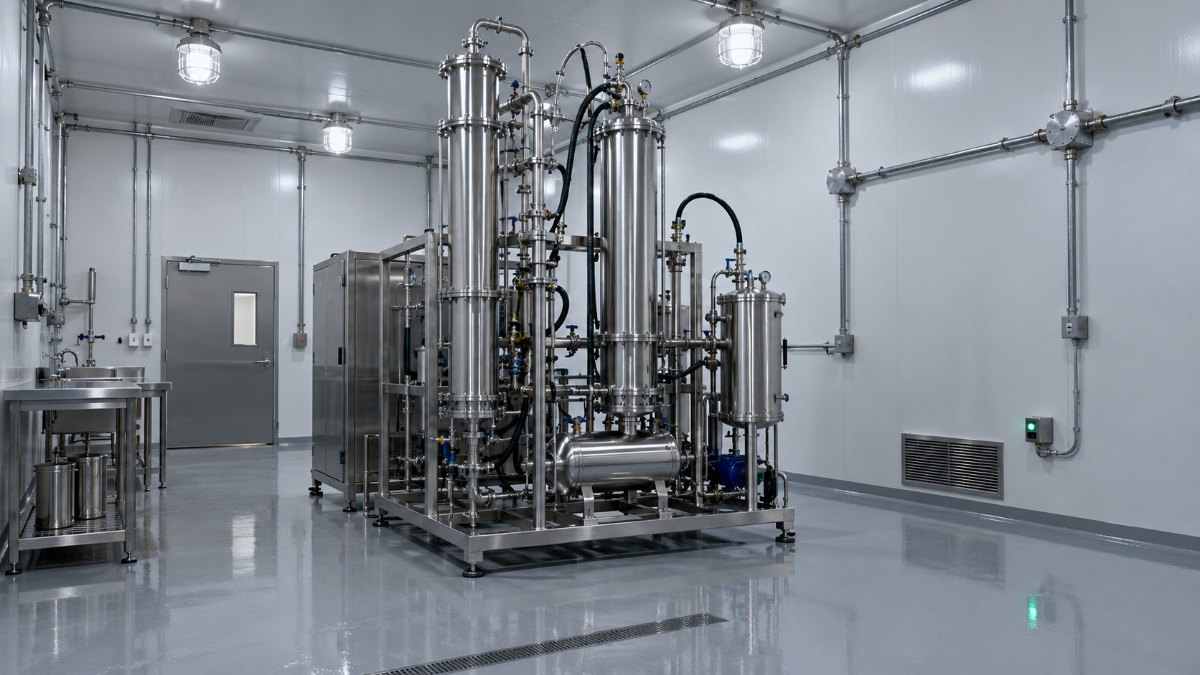
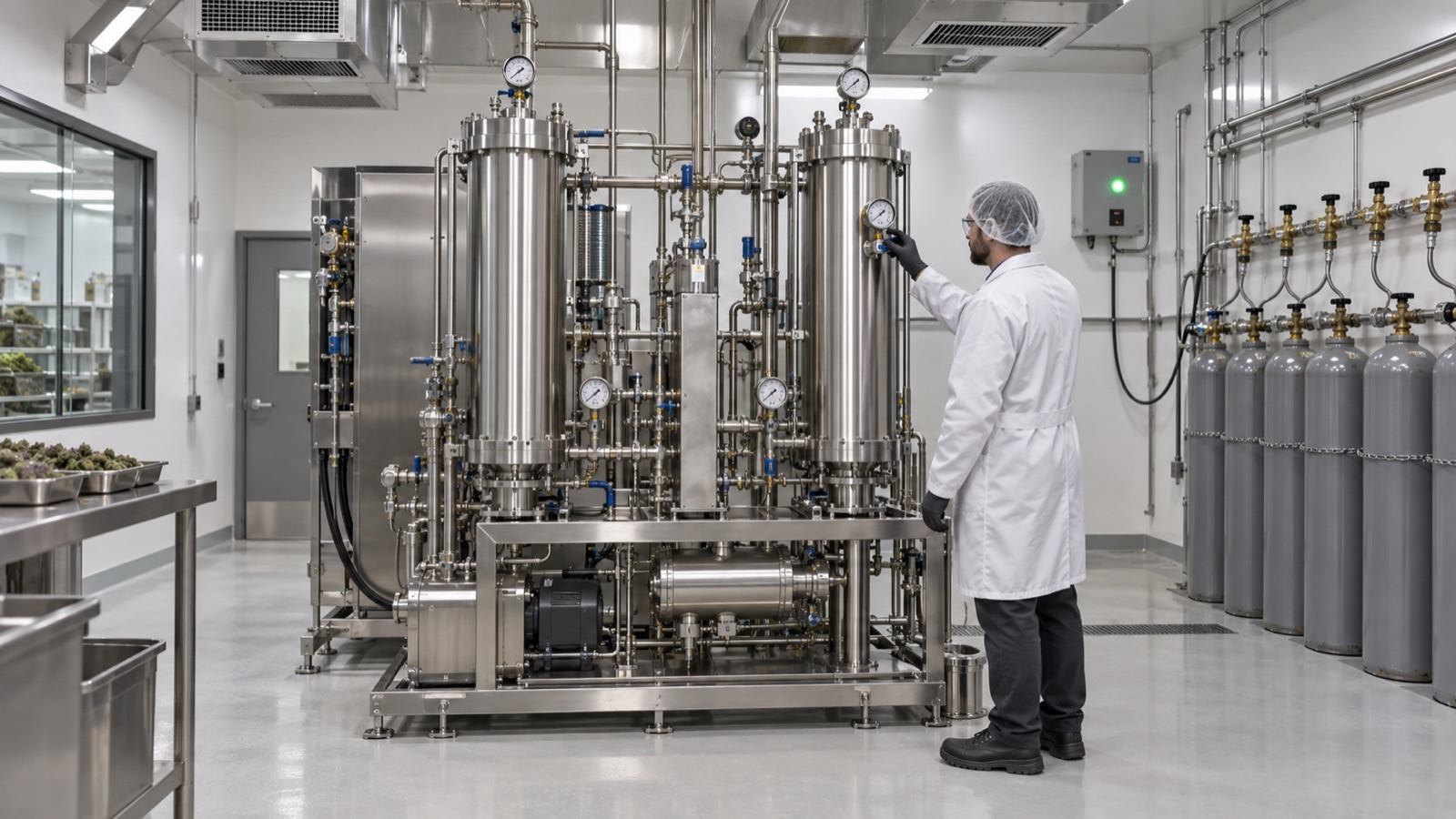
CO2 Extraction Room Design: Ventilation, Classification, and Build Requirements

CO2 extraction rooms operate at 1,071 to 5,000 PSI above the carbon dioxide critical point (31.1C, 73.8 atm), with asphyxiation as the primary hazard rather than fire or explosion. They are NOT classified as C1D1 or C1D2. Those classifications apply to flammable solvents like butane and ethanol under NFPA 30 and NEC Article 500. CO2 [...]

By |2026-10-08T16:10:39+00:00July 24th, 2026|Cannabis Safety, Industry & Regulation|Comments Off on CO2 Extraction Room Design: Ventilation, Classification, and Build Requirements

C1D1 vs C1D2 for Cannabis and Hemp Extraction: How to Classify Your Lab, What It Costs, and What Happens When You Get It Wrong

The Classification Argument That Costs Operators $200,000 Someone on the conference call says the vapor count in the room is low, so they do not need electrical classification. Someone else says the total ethanol volume is under maximum allowable quantities, so they are exempt. A third person says the equipment is closed-loop, so there is [...]

By |2026-10-08T16:10:52+00:00July 8th, 2026|Cannabis Safety, Industry & Regulation|Comments Off on C1D1 vs C1D2 for Cannabis and Hemp Extraction: How to Classify Your Lab, What It Costs, and What Happens When You Get It Wrong

2026 Intoxicating Hemp Ban: What Extraction and Conversion Operators Must Do Before December 11

Section 781 of Public Law 119-37 takes effect on December 11, 2026 for plant-derived hemp products (moved from November 12 by H.R. 6500) and on November 12, 2026 for cannabinoids the plant cannot naturally produce. Hemp becomes Cannabis sativa L. at 0.3 percent total THC by dry weight, where total THC is delta-9 THC plus [...]

By |2026-10-20T16:20:31+00:00June 25th, 2026|Cannabis Chemistry, Extraction Techniques, Industry & Regulation|Comments Off on 2026 Intoxicating Hemp Ban: What Extraction and Conversion Operators Must Do Before December 11

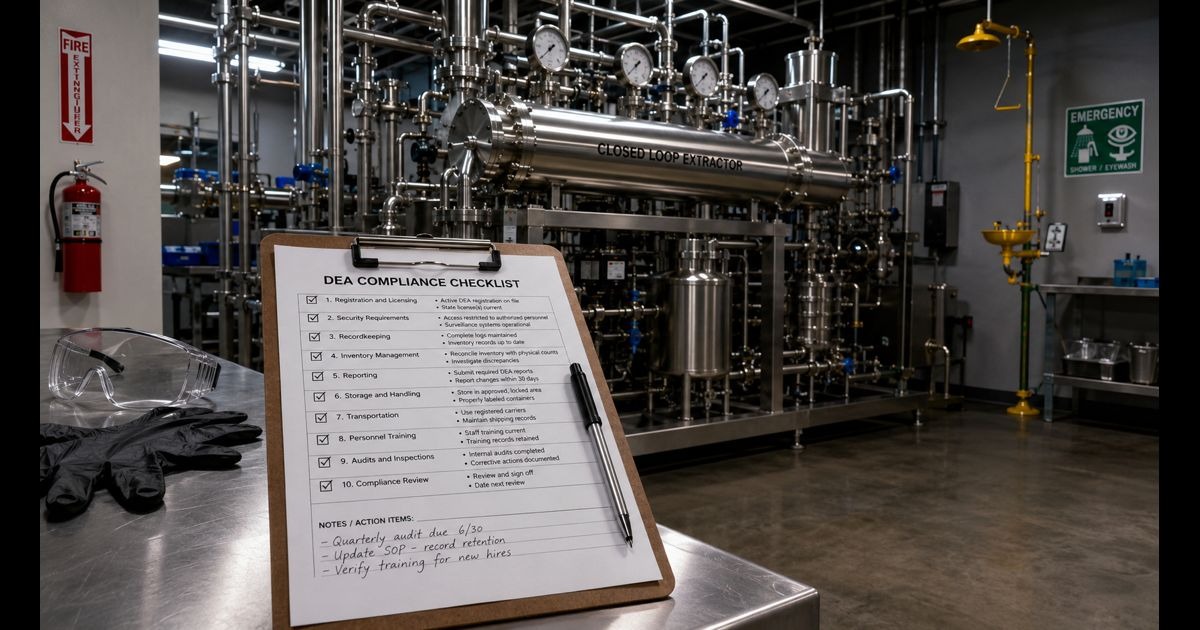
DEA Schedule III Registration for Cannabis Extraction Manufacturers: Forms, Fees, Facility Requirements, and the Compliance Gap

DEA Schedule III cannabis manufacturer registration requires DEA Form 225 with drug codes 7362 (marijuana extract), 7353 (tetrahydrocannabinols), or 7386 (marijuana). Annual fee: $3,699 for manufacturers. DEA opened the Form 225 registration portal for medical cannabis manufacturers, distributors, and analytical labs on October 5, 2026. The 60-day priority filing window from the April 28, 2026 [...]

By |2026-10-07T16:17:24+00:00June 23rd, 2026|Industry & Regulation|Comments Off on DEA Schedule III Registration for Cannabis Extraction Manufacturers: Forms, Fees, Facility Requirements, and the Compliance Gap

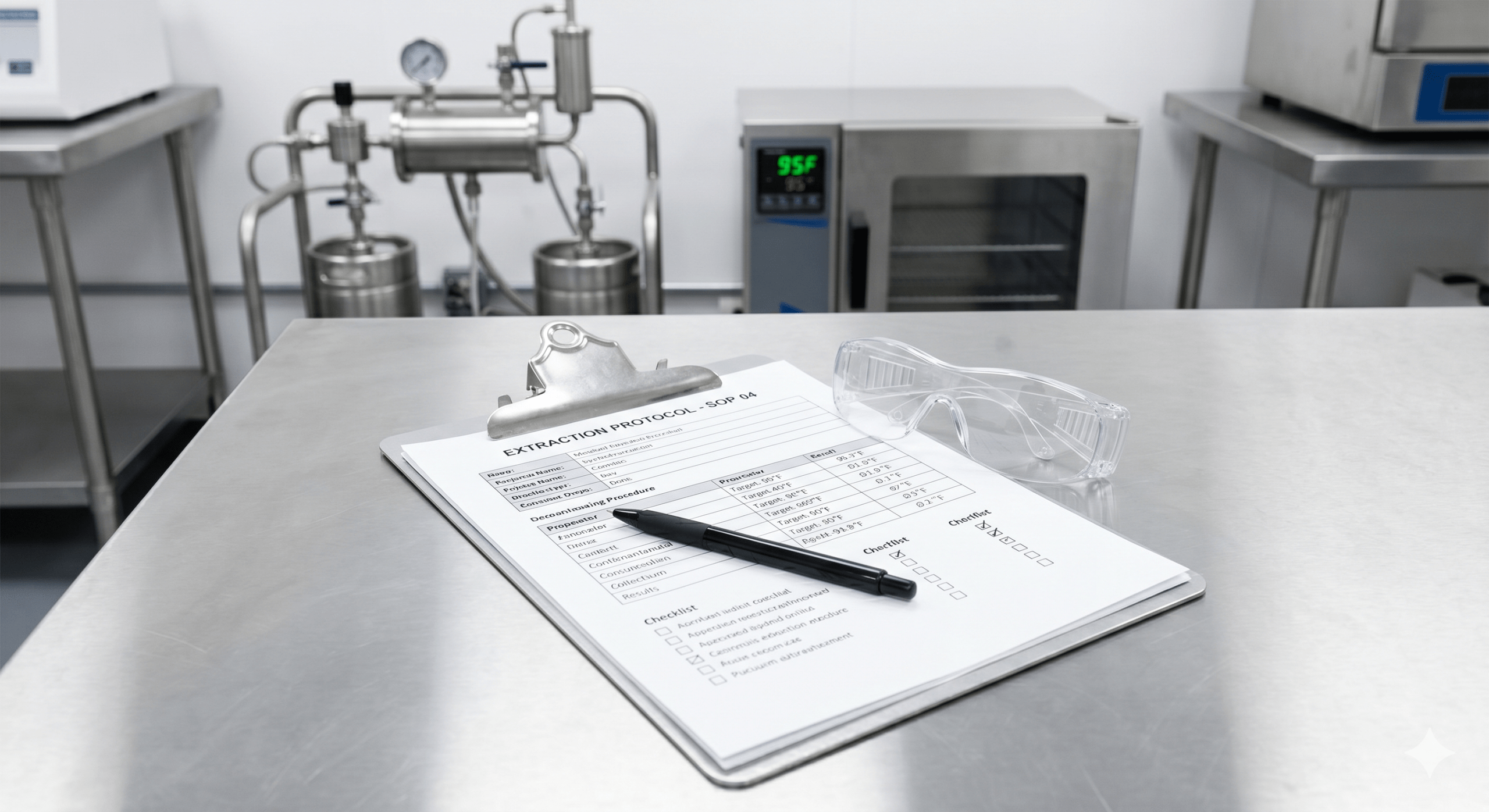
Cannabis Extraction SOP Templates: What Inspectors Actually Check and How to Pass Every Audit

What Is a Cannabis Extraction SOP? A cannabis extraction SOP is a written document that defines every variable in your extraction process with a target value, an acceptable range, and a defined action when you fall outside that range. It covers material inputs (solvent grade, starting material specs), process parameters (temperatures, pressures, hold times, solvent [...]

By |2026-10-20T16:19:47+00:00June 16th, 2026|Industry & Regulation, Lab Techniques|Comments Off on Cannabis Extraction SOP Templates: What Inspectors Actually Check and How to Pass Every Audit

Novel Cannabinoid Synthesis from CBD: THCP, HHC, THCV Chemistry and Why Bans Keep Failing

Novel Cannabinoid Synthesis from CBD: THCP, HHC, THCV, and the Chemistry Legislators Cannot Outrun THCP binds CB1 receptors at 33x the affinity of delta-9 THC. HHC resists oxidation because catalytic hydrogenation eliminates the double bond at C9. THCV acts as a CB1 antagonist below 10mg and flips to partial agonist above 20mg. Every one of [...]

By |2026-10-05T19:27:23+00:00May 26th, 2026|Cannabis Chemistry, Industry & Regulation|Comments Off on Novel Cannabinoid Synthesis from CBD: THCP, HHC, THCV Chemistry and Why Bans Keep Failing
Go to Top