Acid Catalyst Comparison for CBD Isomerization: BF3, pTSA, CSA, H2SO4 and More

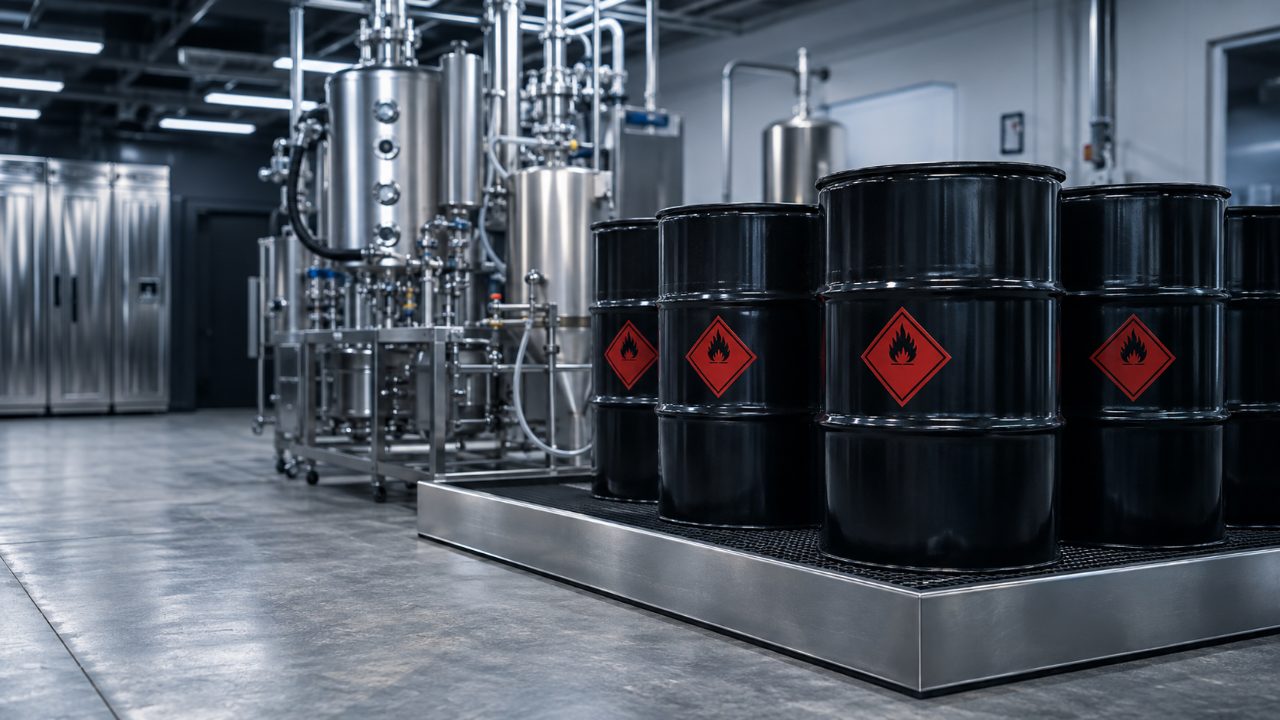
The Short Answer The catalyst you choose determines which cannabinoid you make, how fast you make it, and how much cleanup you need afterward. BF3 etherate pushes CBD toward delta-9-THC with 70-85% conversion in 1-3 hours at 60-80C (in toluene; never in DCM which boils at 40C). pTSA and CSA favor delta-8-THC through a longer [...]

By |2026-06-04T22:22:21+00:00May 14th, 2026|Cannabis Chemistry, Extraction Techniques|Comments Off on Acid Catalyst Comparison for CBD Isomerization: BF3, pTSA, CSA, H2SO4 and More

Cannabis Extraction License Requirements by State: Fees, Facility Standards, and Application Guide (2026)

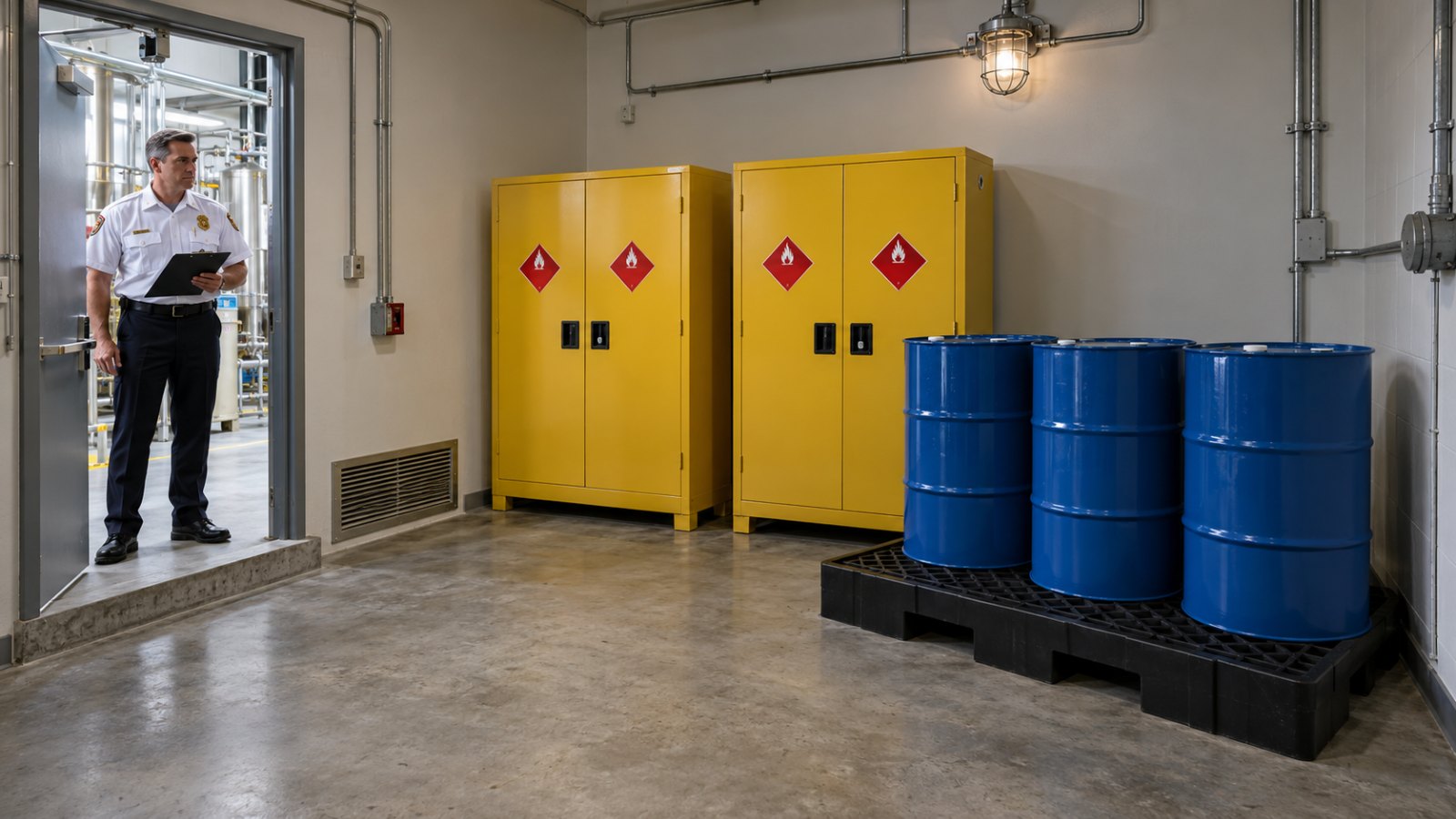
Every state with legal cannabis has different extraction licensing requirements. Different agencies, different fees, different facility standards, different timelines. This is the only guide that compiles them with the numbers that matter: application costs, annual license fees, facility classification requirements, allowed extraction methods, and the specific compliance details that determine whether your lab application gets [...]

By |2026-06-03T16:24:39+00:00May 13th, 2026|Uncategorized|Comments Off on Cannabis Extraction License Requirements by State: Fees, Facility Standards, and Application Guide (2026)

CBD Isomerization Troubleshooting: 8 Failures and How to Fix Them

What is CBD Isomerization? CBD isomerization is an acid-catalyzed rearrangement that converts cannabidiol into delta-9 THC, delta-8 THC, or other THC isomers. The reaction uses a Lewis or Bronsted acid catalyst (p-toluenesulfonic acid, boron trifluoride etherate, sulfuric acid, or others) to protonate the CBD molecule and trigger ring closure at the cyclohexene ring. The resulting [...]

By |2026-05-20T10:01:19+00:00May 12th, 2026|Uncategorized|Comments Off on CBD Isomerization Troubleshooting: 8 Failures and How to Fix Them

CBD Isomerization Byproducts: How to Identify and Prevent Them

Every CBD isomerization reaction produces byproducts. That is not a failure. That is thermodynamics. The acid catalyst does not care which ring closure pathway the molecule takes. It offers activation energy, and the CBD molecule responds by forming a distribution of products: delta-9 THC, delta-8 THC, iso-THC isomers, and degradation compounds that show up as [...]

By |2026-05-21T20:45:24+00:00May 7th, 2026|Uncategorized|Comments Off on CBD Isomerization Byproducts: How to Identify and Prevent Them

Cannabis Crude Oil Degumming: The Complete Guide to Removing Phospholipids Before Distillation

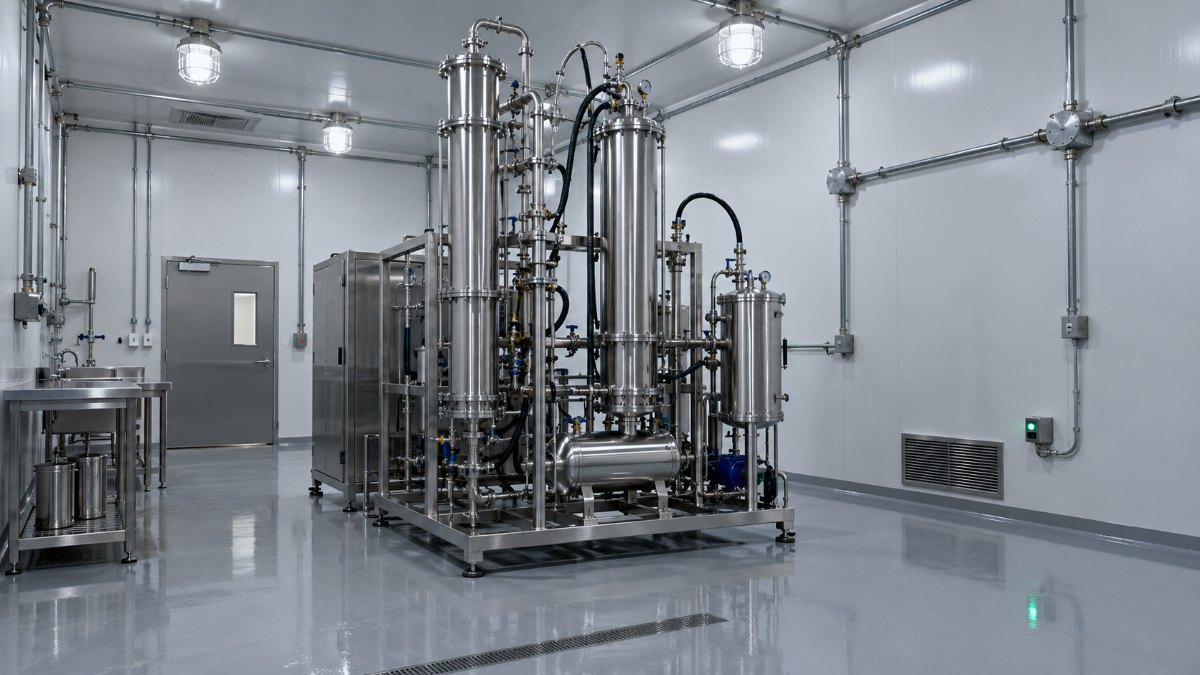
What is degumming in cannabis processing? Degumming is the step that removes phospholipids and related polar lipids from crude cannabis oil before distillation. If winterized crude still darkens hard in the still, leaves stubborn residue on hot surfaces, or produces a distillate that tastes flatter than it should, degumming is usually the missing step. Most [...]

By |2026-05-20T10:01:29+00:00May 3rd, 2026|Extraction Techniques, Lab Techniques, Post-Processing|Comments Off on Cannabis Crude Oil Degumming: The Complete Guide to Removing Phospholipids Before Distillation

Nano Emulsion Troubleshooting: 6 Failures That Kill Cannabis Formulations

Your nano emulsion separated overnight. Or it was cloudy when it should have been clear. Or the particle size analyzer came back at 350nm after your sonicator ran for 20 minutes. Every formulator hits these walls. The difference between the ones who fix them and the ones who dump batches comes down to understanding which [...]

By |2026-06-05T17:36:57+00:00April 30th, 2026|Uncategorized|Comments Off on Nano Emulsion Troubleshooting: 6 Failures That Kill Cannabis Formulations

How to Make Cannabis Tinctures: Ethanol Extraction, Dosing & Shelf Life

Most Cannabis Tinctures Fail Before the First Drop Hits Your Tongue The problem is never the ethanol. The problem is decarboxylation control, extraction efficiency, and the dosing math that turns a good extraction into a reliable medicine. A tincture that varies 40% batch to batch is not a product. It is a liability. Cannabis tinctures [...]

By |2026-05-04T21:08:30+00:00April 27th, 2026|Cannabis Education, Lab Techniques|Comments Off on How to Make Cannabis Tinctures: Ethanol Extraction, Dosing & Shelf Life

Cannabis Schedule III Reclassification: What Actually Changes for Extraction Labs

What Schedule III Actually Means Cannabis moving from Schedule I to Schedule III is the biggest federal regulatory shift in the industry's history. Schedule I meant cannabis had "no currently accepted medical use" and "a high potential for abuse." Schedule III means the federal government now recognizes medical utility and considers the abuse potential moderate. [...]

By |2026-04-23T17:38:11+00:00April 23rd, 2026|Industry & Regulation|Comments Off on Cannabis Schedule III Reclassification: What Actually Changes for Extraction Labs

How to Make Bubble Hash: Ice Water Extraction From Start to Finish

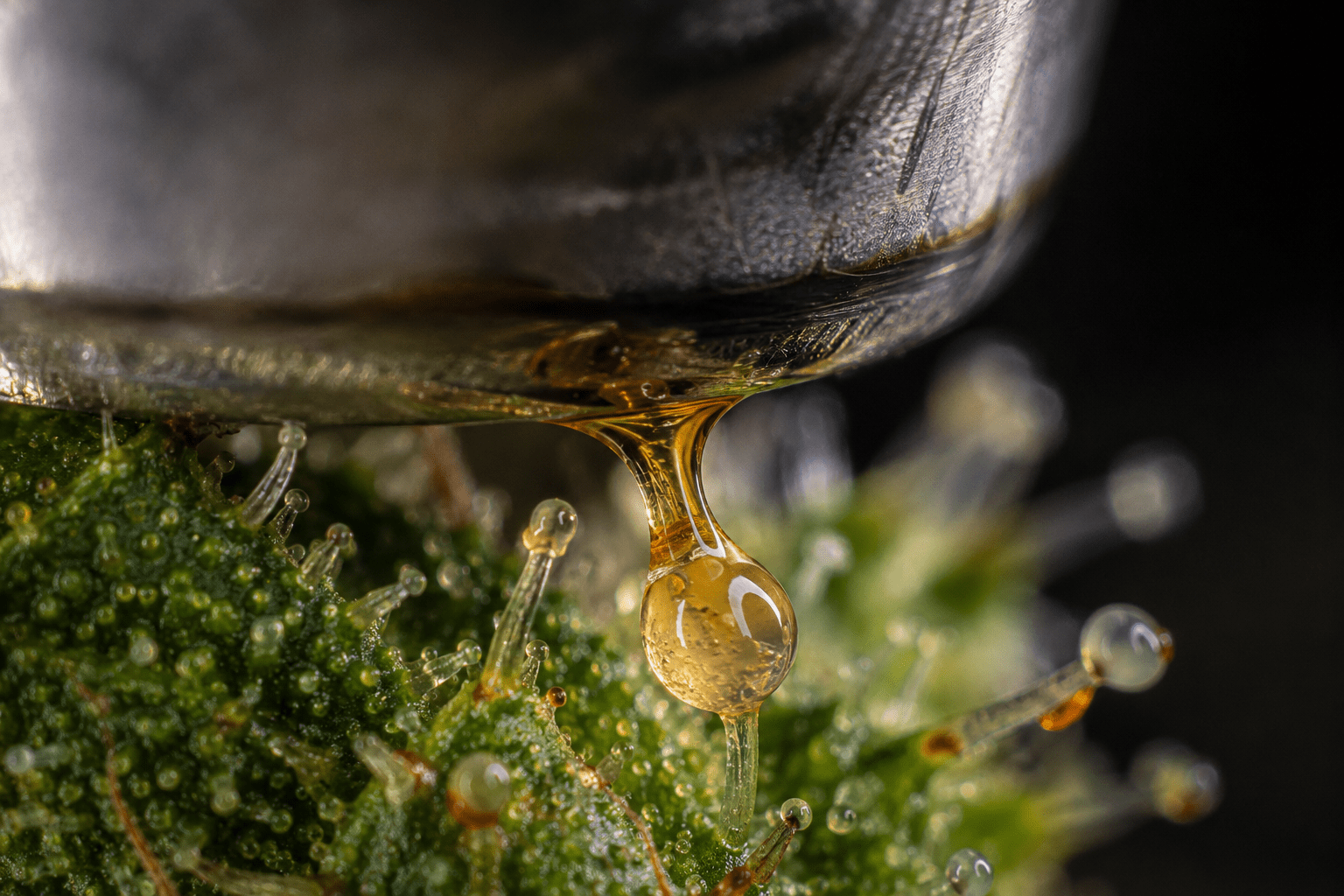
Bubble hash is the simplest extraction method in cannabis. No solvents, no closed loops, no C1D1 rooms. Just ice, water, agitation, and gravity. Trichome heads are denser than water, and cold makes them brittle enough to snap off the plant material. Everything else is technique. The difference between 6-star full melt and brown food-grade hash [...]

By |2026-04-22T18:19:06+00:00April 22nd, 2026|Extraction Techniques, Lab Techniques|Comments Off on How to Make Bubble Hash: Ice Water Extraction From Start to Finish
Go to Top