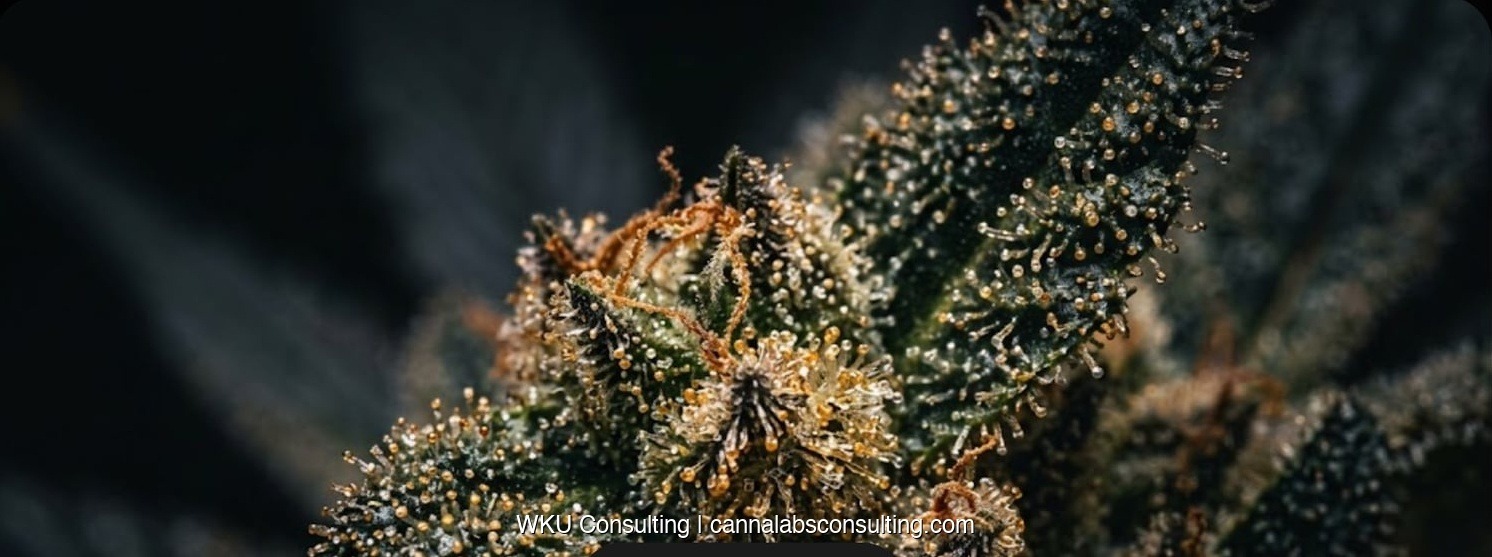
How to Make THCA Flower from Hemp: Chemistry, Compliance, and the Regulatory Clock

The conversation around THCA flower has been dominated by compliance anxiety for so long that the actual science barely gets airtime anymore. I find that frustrating. Not because compliance is unimportant, it is critically important right now, but because operators who do not understand the chemistry underneath the product are going to get crushed when [...]
By |2026-11-03T18:58:21+00:00March 27th, 2026|Cannabis Chemistry, Cannabis Education, Extraction Techniques, Post-Processing|Comments Off on How to Make THCA Flower from Hemp: Chemistry, Compliance, and the Regulatory Clock

Full Spectrum vs Distillate: The Chemistry Behind Cannabis Extract Types

What Is the Difference Between Full Spectrum and Distillate? What is the difference between full spectrum and distillate cannabis extracts? Full spectrum extract is a minimally refined cannabis oil that retains the plant’s complete chemical profile, including cannabinoids, terpenes, flavonoids, and other native compounds. Distillate is a highly purified extract produced through vacuum distillation, typically [...]

By |2026-05-20T10:02:59+00:00March 26th, 2026|Cannabis Chemistry, Cannabis Education, Extraction Techniques|Comments Off on Full Spectrum vs Distillate: The Chemistry Behind Cannabis Extract Types

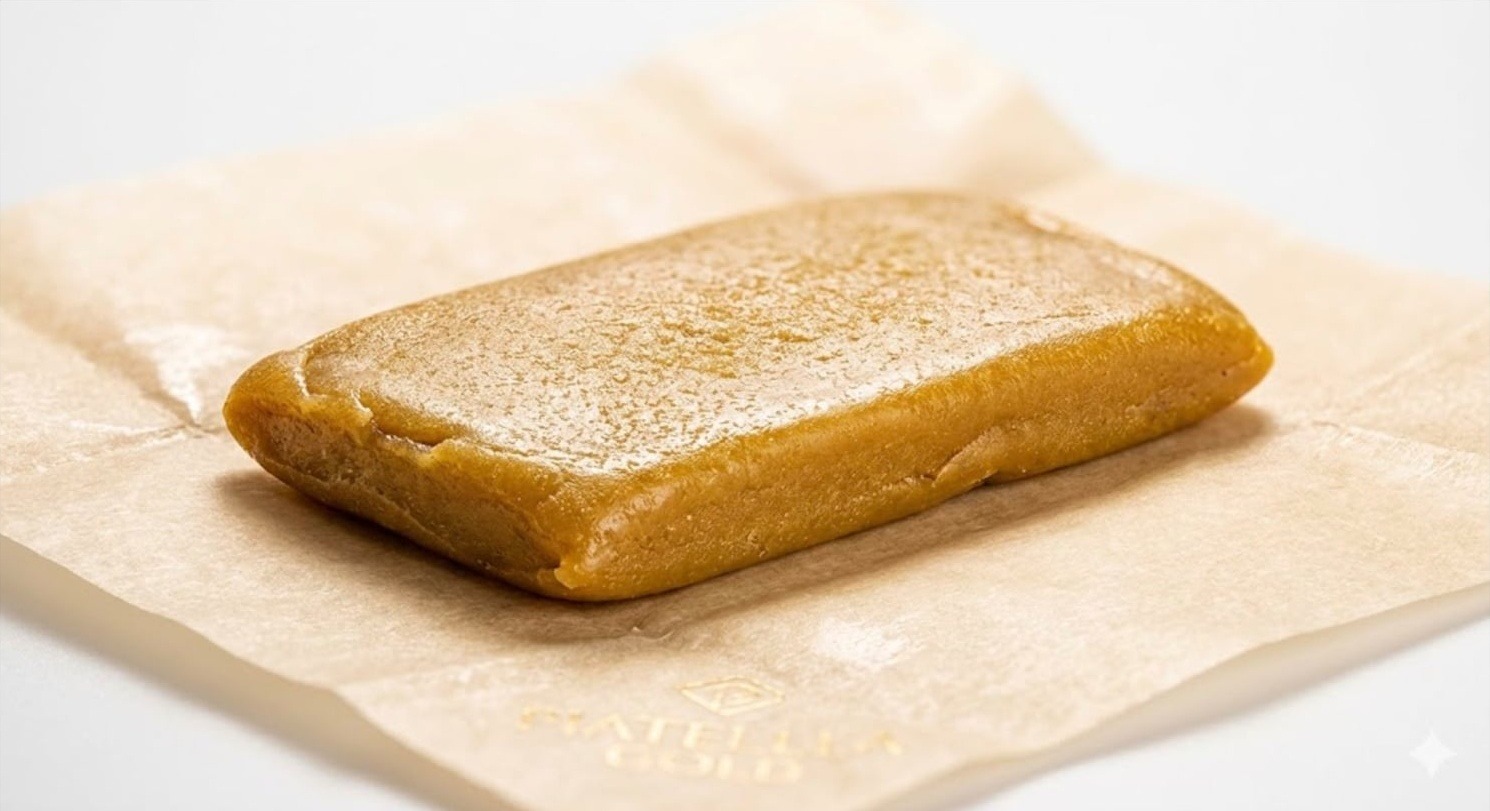
How to Make Piatella from CBD

A comprehensive technical guide to authentic solventless piatella production and the CBD-derived alternative pathway, from first principles of trichome chemistry through finished product. https://youtu.be/ARQ7Ke7Stz8 Introduction What is piatella? Piatella is not a strain and not a product category. It is a cold-cure technique applied to full-melt ice water hash: fresh-frozen flower (frozen within 15 to [...]

By |2026-10-05T16:12:13+00:00March 25th, 2026|Cannabis Chemistry, Cannabis Education, Extraction Techniques, Post-Processing|Comments Off on How to Make Piatella from CBD

Why Your Cannabis Concentrates Taste Wrong: Every Off-Flavor Traced to Its Cause

What are off-flavors in cannabis concentrates? Off-flavors are undesirable taste and aroma characteristics in cannabis extracts that deviate from the expected terpene profile of the source material. They range from sulfurous, burnt, or chemical tastes to flat, muted profiles where expected flavors are entirely absent. Off-flavors are the single most common quality complaint in concentrate [...]

By |2026-10-06T16:10:44+00:00March 24th, 2026|Cannabis Chemistry, Lab Techniques|Comments Off on Why Your Cannabis Concentrates Taste Wrong: Every Off-Flavor Traced to Its Cause

The Complete Guide to Vacuum Oven Purging for Cannabis Concentrates

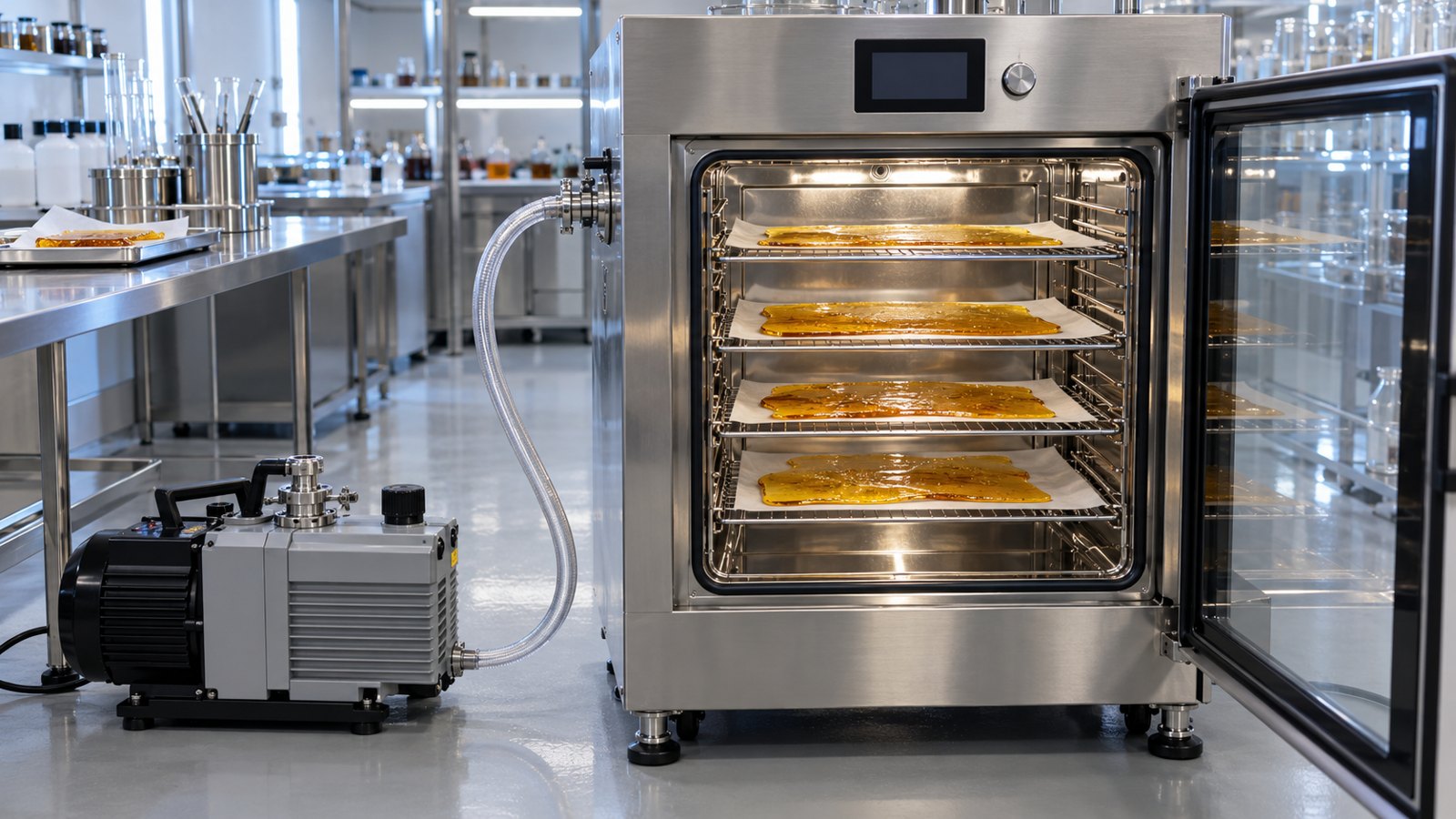
Vacuum oven purging removes residual butane, propane, or ethanol from cannabis concentrates by holding material at 100 to 115°F (38 to 46°C) under full vacuum at -29.5 inHg for 24 to 72 hours. BHO concentrates spread to 1 to 2 mm film thickness at 100°F reach compliant residual solvent levels (below the 5,000 ppm butane [...]

By |2026-11-03T19:02:07+00:00March 22nd, 2026|Lab Techniques, Post-Processing|Comments Off on The Complete Guide to Vacuum Oven Purging for Cannabis Concentrates

Rosin Diamonds: The Complete Guide to Solventless THCa Crystallization

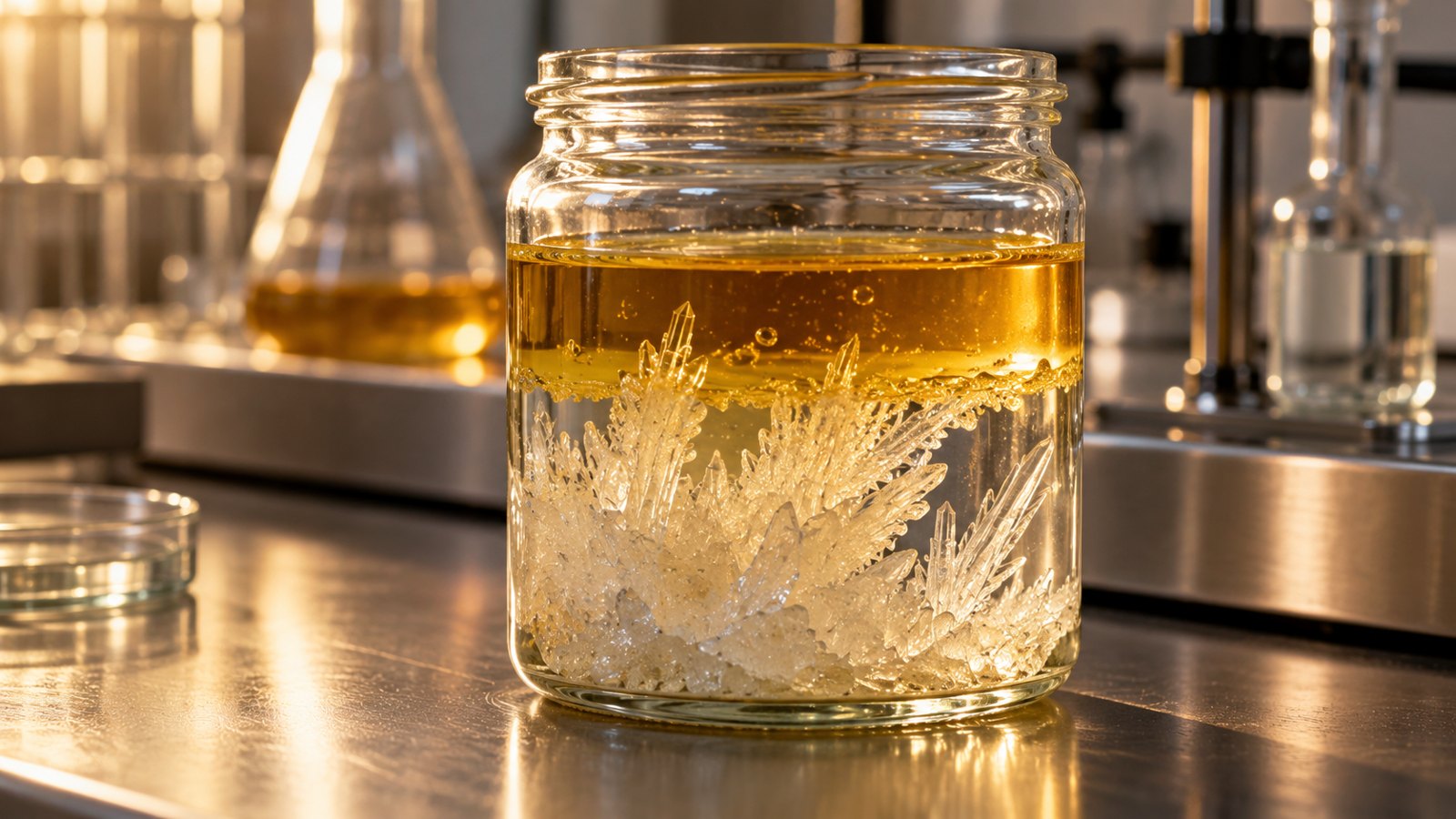
What Are Rosin Diamonds? Rosin diamonds are crystallized THCa isolate produced entirely through heat, pressure, and mechanical separation. No solvents. No chemical catalysts. No CRC media. The end product is a near-pure THCa crystal structure that rivals the potency and visual clarity of solvent-based diamonds at a fraction of the overhead cost. In dispensaries, THCa [...]

By |2026-10-21T16:11:21+00:00March 20th, 2026|Cannabis Chemistry, Lab Techniques|Comments Off on Rosin Diamonds: The Complete Guide to Solventless THCa Crystallization

Convert CBD to THC Without Solvents: The Amberlyst 15 Method

Why the Traditional CBD to THC Conversion Method Falls Short Converting CBD isolate into THC has become one of the most discussed processes in the cannabis and hemp processing industry. The traditional approach relies on dissolving CBD isolate in a solvent like heptane, adding a Lewis acid catalyst such as pTSA (para-toluenesulfonic acid) or hydrochloric [...]

By |2026-06-15T17:46:33+00:00March 19th, 2026|Cannabis Chemistry|Comments Off on Convert CBD to THC Without Solvents: The Amberlyst 15 Method

What is Wiped Film Distillation? The Complete Guide to Cannabis Oil Purification

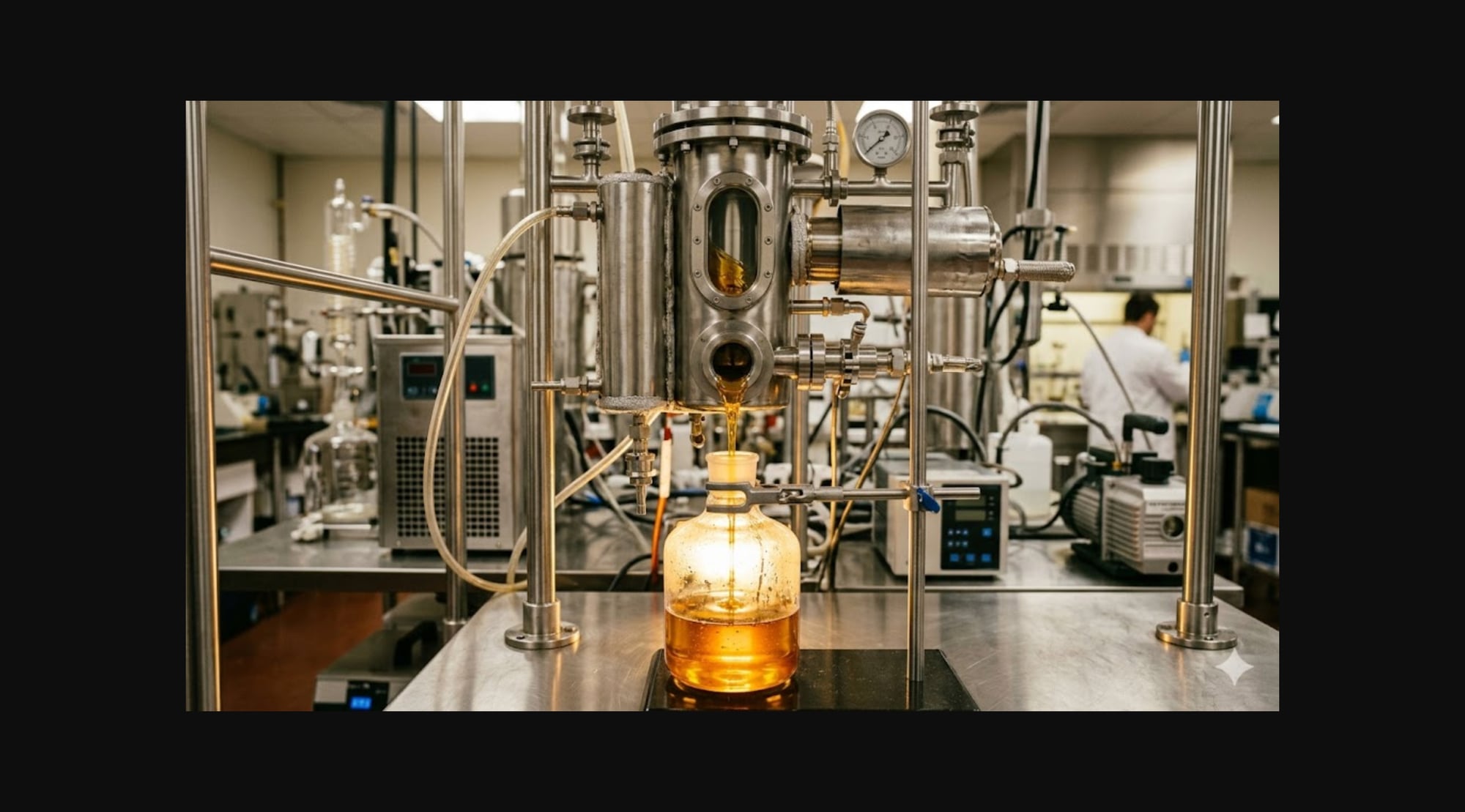
Wiped film distillation purifies cannabis crude oil to 90-95% total cannabinoids by spreading a sub-1mm film across a heated cylinder at 160-180°C under sub-100-micron vacuum. Residence time is 1-3 minutes (vs 10-60 minutes in short path), reducing thermal CBN formation from 4% to under 0.5%. A 2-inch Pope system processes 500-800 mL/hour at 30% rotor [...]

By |2026-10-12T20:46:21+00:00March 18th, 2026|Lab Techniques, Post-Processing|Comments Off on What is Wiped Film Distillation? The Complete Guide to Cannabis Oil Purification

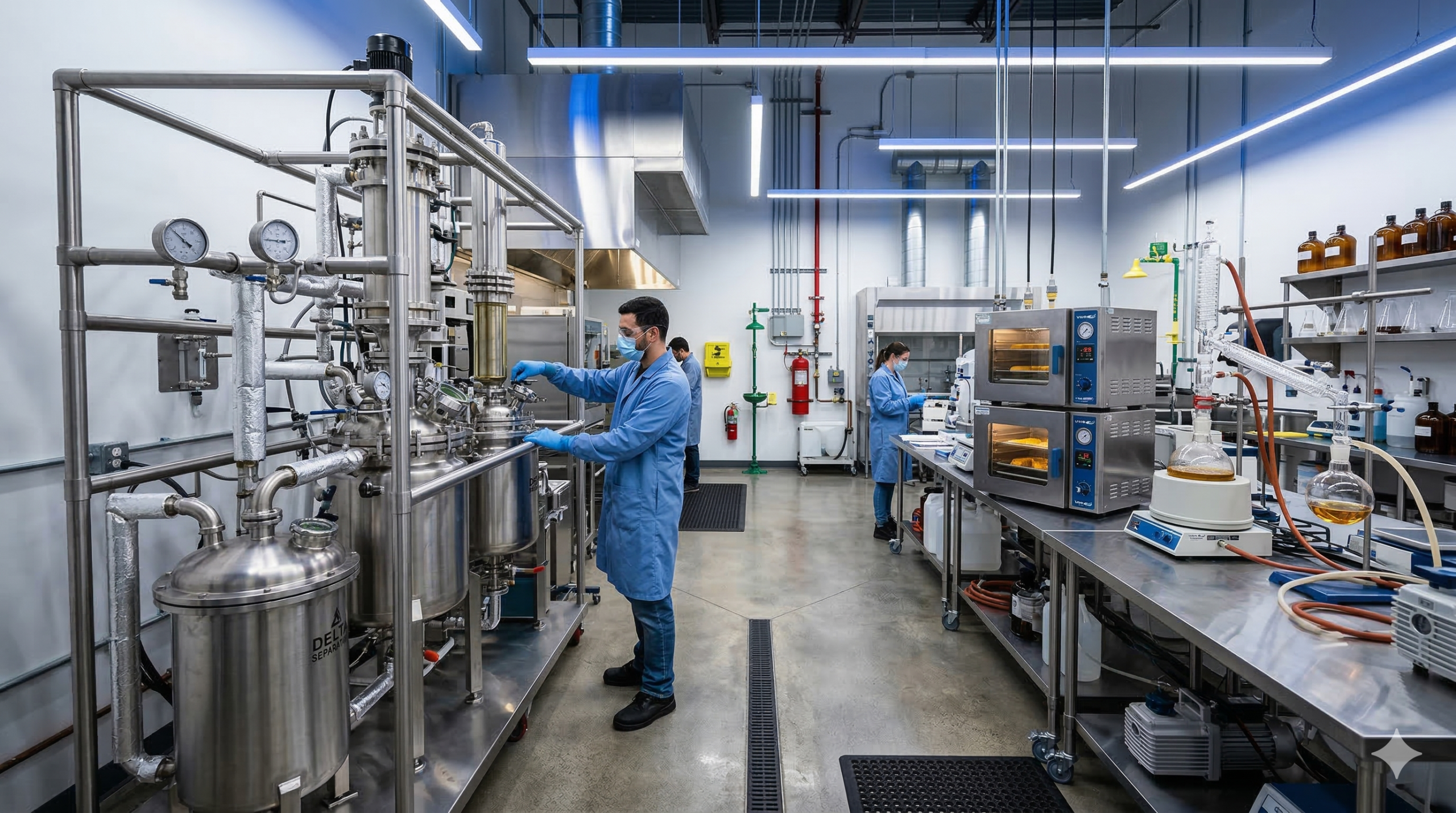
How to Build an Extraction Laboratory: The Complete Step-by-Step Guide

Building an extraction laboratory is one of the biggest investments you will make in the cannabis or hemp industry. Get it right, and you have a production pipeline that generates consistent, high-quality products for years. Get it wrong, and you are looking at wasted capital, compliance headaches, and products that never meet market standards. This [...]

By |2026-10-15T20:16:53+00:00March 16th, 2026|Extraction Techniques, Industry & Regulation|Comments Off on How to Build an Extraction Laboratory: The Complete Step-by-Step Guide

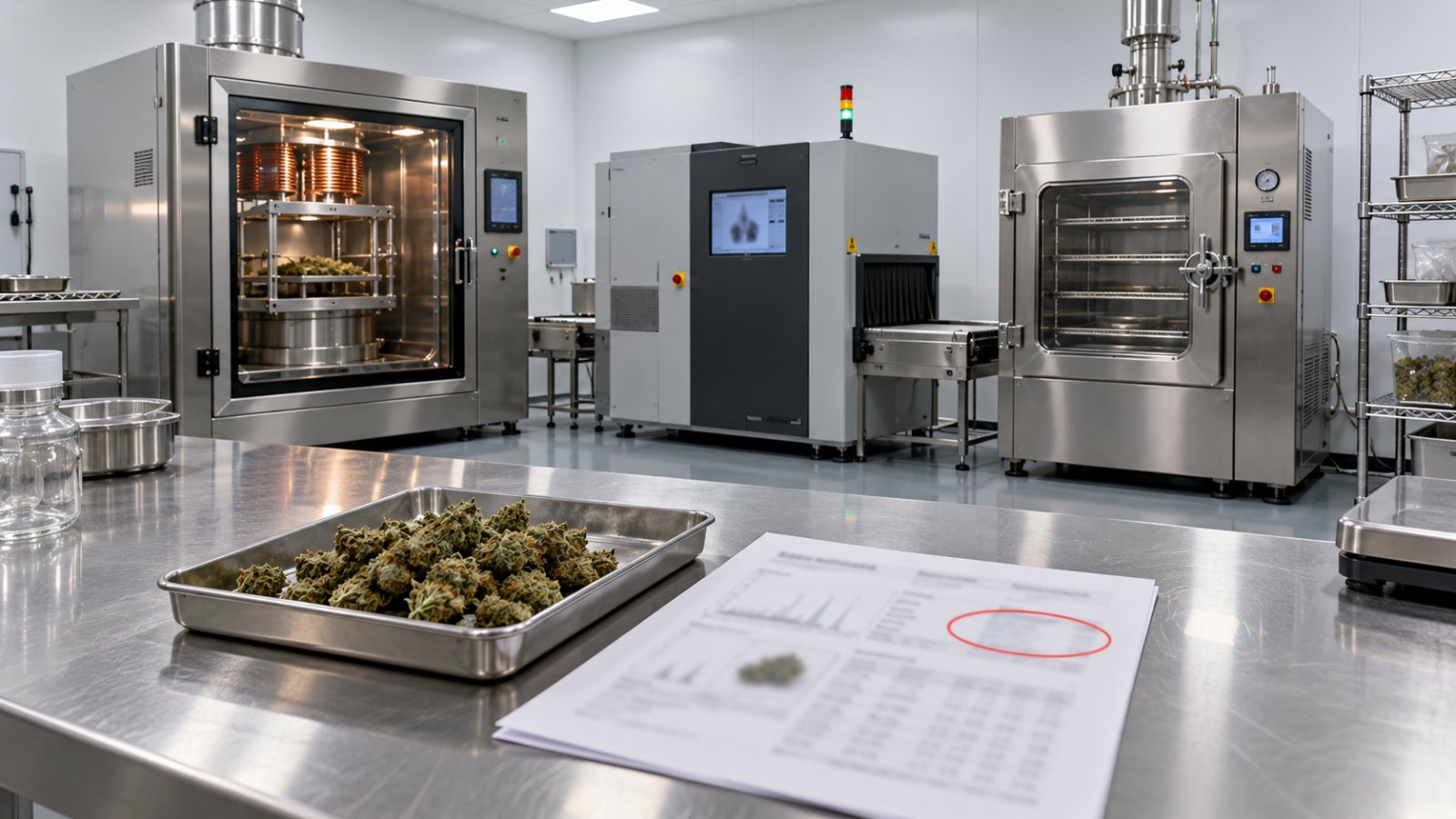
Cannabis Remediation: When to Fix, Reprocess, or Destroy a Failed Batch

What Is Remediation in Cannabis Processing? Cannabis remediation is the processing step that takes a batch that failed state testing back under the limit and through a retest: a kill step on flower for microbial failures (ozone, radio frequency heating, X-ray, electron beam, or heat), distillation on extract for the same failure, an extended thin-film [...]

By |2026-10-29T16:04:34+00:00March 15th, 2026|Cannabis Safety, Lab Techniques, Post-Processing|Comments Off on Cannabis Remediation: When to Fix, Reprocess, or Destroy a Failed Batch
Go to Top